
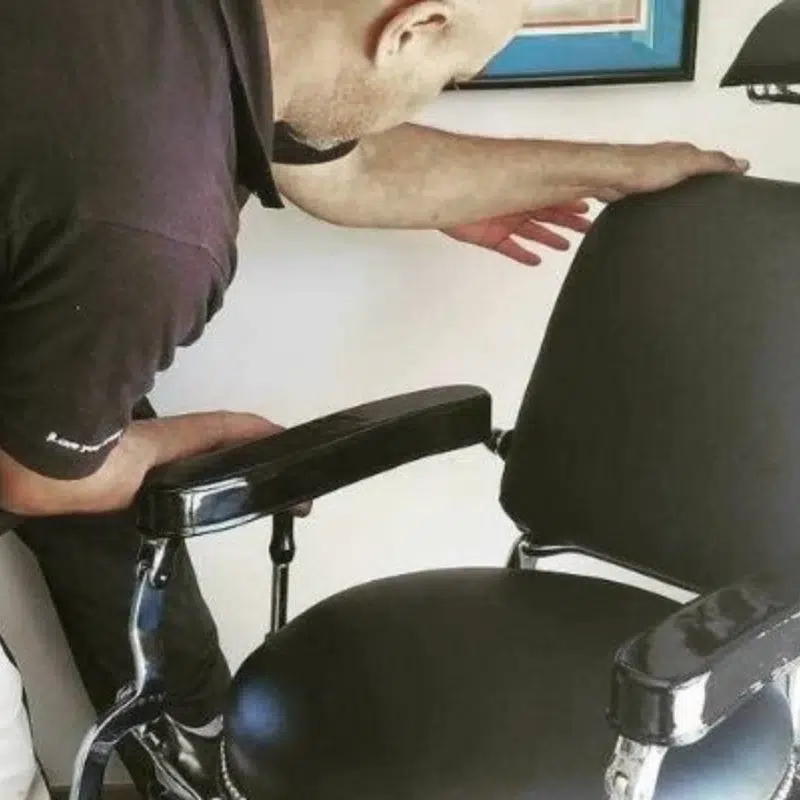
Most barber chair problems are not the dramatic failures they look like. A chair that will not lift, sinks slowly, or leaves a puddle of oil under the base usually comes down to three things: low or degraded hydraulic oil, air trapped in the line, or a worn seal. Before you pay for a service call — or worse, open the pump with a wrench — read this guide. It covers how to fix barber chair hydraulic pump issues that are safe to handle in your shop, how to keep the chair from ever reaching that point, and exactly when the right move is to contact the factory.
Most barber chair repair hydraulic questions, in our experience, are answered by the same checklist: check the oil, bleed the air, find the leak, and lubricate the moving parts. This guide walks through each step, plus the maintenance routine that makes repairs rare. If your chair is a Nova model, remember that every order carries a one-year warranty and our support team will walk you through diagnosis over email or phone before you spend a dollar on parts or labor.
How the Hydraulic Lift System Works
A pump-lift barber chair uses a small hydraulic pump mounted under the seat, a cylinder, and a foot pedal. Pressing the pedal forces hydraulic fluid into the cylinder and raises the chair; releasing it lets fluid return and the chair lower. A control valve regulates the flow, and the fluid itself is what carries the pressure, so the barber chair hydraulic system depends on three things: the right amount of clean fluid, no air in the line, and seals that hold. When any of those three degrades, you get the classic symptoms — slow lifting, sinking, noises, or oil on the floor. Recline mechanisms on barber chairs are separate from the lift: a release lever and pivot assembly that tilt the backrest, which is why a stiff backrest usually has nothing to do with the pump.
Barber Chair Hydraulic Oil: Check It Before You Dismantle Anything
Start with the cheapest possible fix: the oil. On Nova pump-lift chairs the fill port sits under the seat base and takes standard hydraulic oil, with the exact grade and volume listed in the chair’s manual — the same setup we document for our hydraulic hair chairs. Most barber chairs use a light hydraulic jack oil in the ISO 32 or ISO 46 range; some manufacturers specify automatic transmission fluid. What you must never use is brake fluid, which attacks the seals and turns a $5 top-up into a full pump replacement.
Checking the level takes two minutes. Lower the chair fully, clean the area around the fill port so no grit falls in, and remove the plug — the oil should sit right at the port opening. If it is low, add the grade listed in your manual a little at a time, replace the plug, and pump the chair through several full raise-and-lower cycles to distribute the fluid. Wipe up any spill immediately: hydraulic oil left on upholstery or PU leather will break down the surface over time.
The Barber Chair Maintenance Routine That Prevents Repairs
Good hydraulic salon chair repair habits are the same whether the chair sits behind a barber pole or a styling station, and they are cheaper than every fix in this guide. Daily, wipe the chair down and glance at the floor under the base for fresh oil spots. Weekly, check that the seat, backrest, and footrest mounting bolts are snug. Monthly, lubricate the foot pedal pivot, the recline hinge points, and the casters with a silicone-based lubricant — avoid heavy grease, which collects hair and dust.
Most requests for a barber chair recline repair actually start with a sticky release lever or a dry pivot, so clean and lubricate the mechanism before you assume the hardware is broken. Two operating habits extend the life of the hydraulics more than anything else: never exceed the chair’s rated load, and press the foot pedal smoothly instead of stomping it. A chair that is used gently and kept clean will serve a busy shop for many years without ever needing a pump.
Common Barber Chair Problems and How to Diagnose Them
| Symptom | Most likely cause | First step | Who fixes it |
|---|---|---|---|
| Chair will not lift or lifts slowly | Low oil or air in the line | Top up the oil and bleed the system | You — safe DIY |
| Chair sinks slowly under a client | Worn cylinder or internal seal | Run a load test to confirm | Factory or service technician |
| Oil on the floor or base | Loose fill plug, or a damaged seal | Find the exact source of the leak | You if it is the plug; otherwise factory |
| Clicking, hissing, or groaning | Air in the system, or dry pivots | Bleed the system and lubricate | You — safe DIY |
| Backrest will not recline | Sticky release lever or dry hinge | Clean and lubricate the pivot | You — safe DIY |
When the Pump Needs Replacement
If topping up and bleeding do not restore the lift, the fault usually sits inside the pump or cylinder — a worn seal, a scored piston, or a failing valve. On modern chairs the pump is a sealed assembly, which means barber chair hydraulic pump replacement is a job for the factory or an authorized service technician, not a weekend DIY project. Opening a sealed pump without the right seals, fluid, and bench setup almost always ends in a second failure, and it can void the warranty. A worn barber chair pump usually announces itself first: lifting gets slower over several weeks, then the chair starts sinking under load. That slow decline is your cue to call support while the chair is still usable, not after it dies mid-shift.
Two honest notes on parts. First, barber chair repair under warranty is always the cheaper road: Nova’s one-year warranty covers defects in the hydraulic pump and cylinder, so a chair that fails on its own within the first year is repaired through the factory rather than out of your pocket. Second, we do not sell generic replacement parts at retail, and we recommend against buying unnamed cylinders or seals online — the grade of fluid, stroke length, and mounting pattern all have to match the original, which is why factory service exists. Contact our support team with your chair model and the symptom; we will tell you whether it is a two-minute top-up or a factory repair.
How to Change the Hydraulic Oil Safely
Here is the part most online guides get wrong: on many modern barber chairs the hydraulic unit is sealed and has no user-serviceable oil change — you top it up, and that is all the maintenance the fluid side needs. If your chair’s manual describes a serviceable reservoir, the safe procedure is straightforward. Lower the chair fully, clean the fill port, and remove the plug. Drain the old fluid into a container using a suction tool designed for this job — never tip the chair to pour it out. Refill with the exact grade and volume from the manual, replace the plug, and bleed the system by pumping the chair through ten to fifteen full raise-and-lower cycles with no weight on the seat. Wipe every drop of spillage, then check the base and cylinder for leaks over the next few days. When the manual is silent, or the unit looks sealed, do not force it — a call to the factory takes five minutes and prevents a costly mistake.
Bleeding is the step people skip, and it is the step that fixes most sluggish chairs. Air compresses where oil does not, so a pocket of air makes the lift feel spongy and weak. After any top-up or oil change, work the pedal through repeated full cycles, then finish by raising the chair to full height and leaving it there for a minute before lowering. If the lift feels firm and holds height, the system is bled.
Maintenance and Support: What Nova Owners Get
Prevention is the theme that ties this whole guide together: check the oil before you dismantle anything, lubricate monthly, bleed after any top-up, and treat the pump as a sealed component that only the factory should open. Owners of Nova barber chairs get two extra layers of protection. First, the one-year warranty, which covers the hydraulics that this guide has been describing. Second, a support team that actually answers: if you are unsure whether a symptom is a top-up or a factory repair, send us a message with your chair model and a photo of the base, and we will walk you through it — the same way we guide owners of our hydraulic hair chairs to their fill ports.
If your chair is beyond economical repair, or you are equipping a new shop, browse the barber chair collection — every Nova barber chair ships factory-direct with an MOQ of 1 unit, a one-year warranty, and DDP delivery to your door. For the same care routine applied to electric treatment tables and beds, see our beauty bed maintenance guide. Questions about your chair’s hydraulics? Contact us at beautybedsale@outlook.com or call +852-59478476.
Salon Chair Hydraulic Pump: When to Repair or Replace
A salon chair hydraulic pump that loses height under load, leaks at the rod or feels spongy usually needs a seal kit or a full replacement. Swapping the pump is straightforward on most barber and salon chairs, and fresh hydraulic fluid for barber chair systems should be added at the same time.
Frequently Asked Questions
Why is my barber chair leaking oil?
Oil under the base usually means a loose fill plug or a damaged seal. Lower the chair, clean the area, and confirm the plug is snug first — that fixes many leaks. If oil keeps appearing around the cylinder or pump after that, the seal is failing and the chair should go to the factory or a service technician.
Which hydraulic fluid for salon chair systems should I use?
Use the grade listed in your chair’s manual — most pump-lift chairs take standard hydraulic oil such as a light jack oil in the ISO 32 or ISO 46 range, and some specify automatic transmission fluid. Never use brake fluid; it damages the seals. When in doubt, ask the chair’s manufacturer before adding anything.
How often should I lubricate and inspect my barber chair?
Wipe the chair and check for oil spots daily, check mounting bolts weekly, and lubricate the pedal pivot, recline hinges, and casters with a silicone lubricant monthly. This routine prevents most of the repairs described in this guide.
Is barber chair repair covered under warranty?
Nova barber chairs carry a one-year warranty that covers defects in the hydraulic pump and cylinder. If the chair fails on its own within the first year, contact our support team and we will arrange factory diagnosis and repair instead of you paying for parts or labor.
Can I fix a sinking barber chair by adding more oil?
Only if the cause is low oil, which a level check will confirm. If the oil is at the correct level and the chair still sinks under load, the cylinder seals are worn and the fix belongs at the factory — adding oil to a full system will not stop an internal leak.