
Your Expert in Beauty & Salon Equipment
Filter by Categories
Contact Us Now
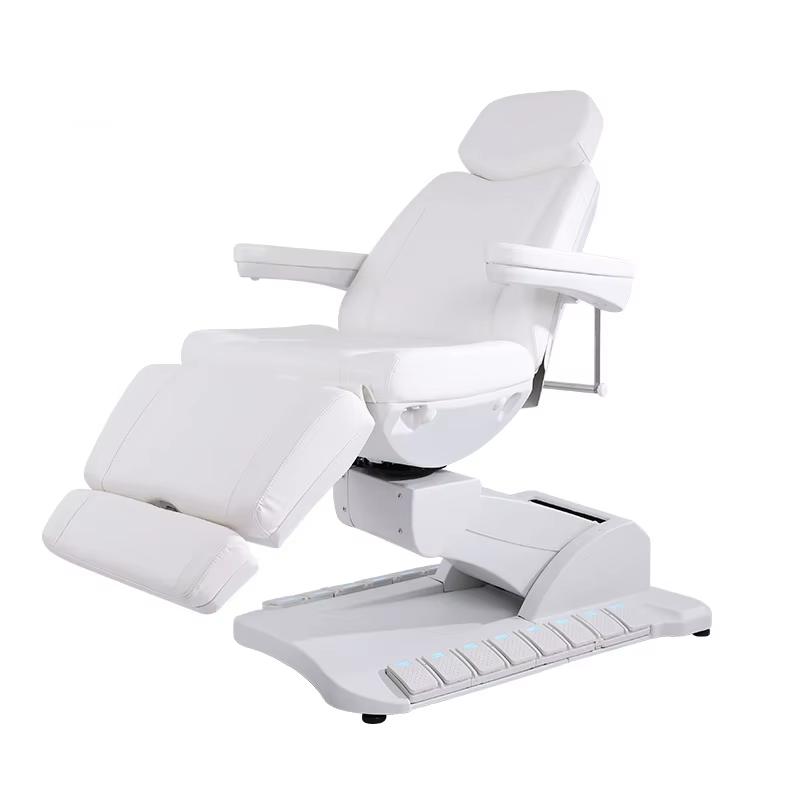
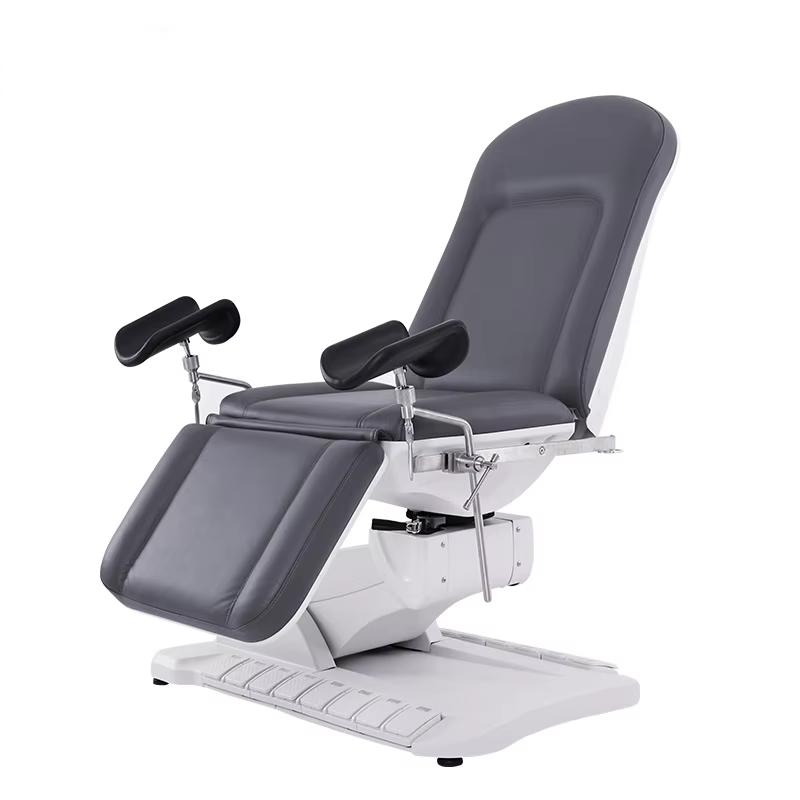
Don't see what you're looking for?
Contact us through the BUTTON or via WhatsApp +852-59478476

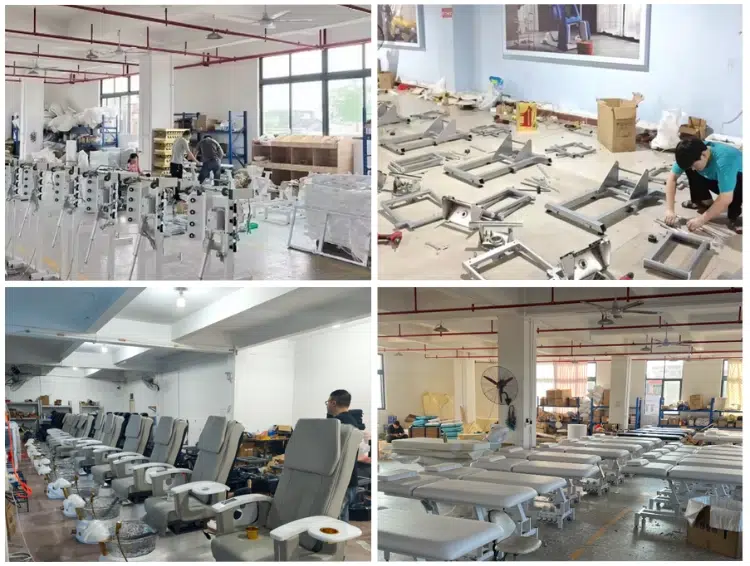
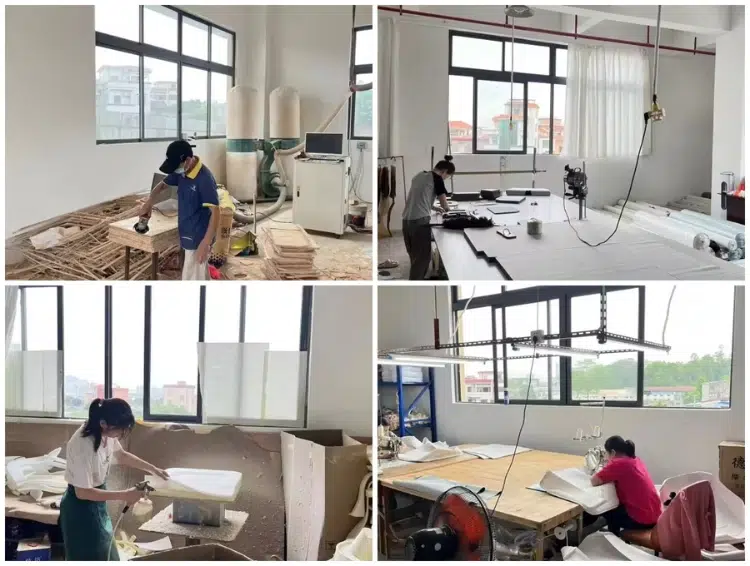
Why Choose NovaBeauty
1
Industry experience
1
Units / Month
1
Day Turnaround
1
Product Models
One-stop Salon Solution
Our Services
We support salons with reliable furniture manufacturing, practical customization, and stable delivery. Every service is designed to reduce sourcing risk and simplify decision-making.
Quality Products
Commercial salon furniture designed for daily use, stability, and long-term reliability.
In-House Manufacturing
Produced and assembled by NovaBeauty to maintain consistent quality standards.
Fast Turnaround
Structured production allows standard and urgent orders to be prepared within 7 days.
Cost-Effective Pricing
Factory-direct pricing focused on functional value and long-term operating cost control.
Factory Strength & Capabilities

20,000m² Base
Modern Workshop

Global Service
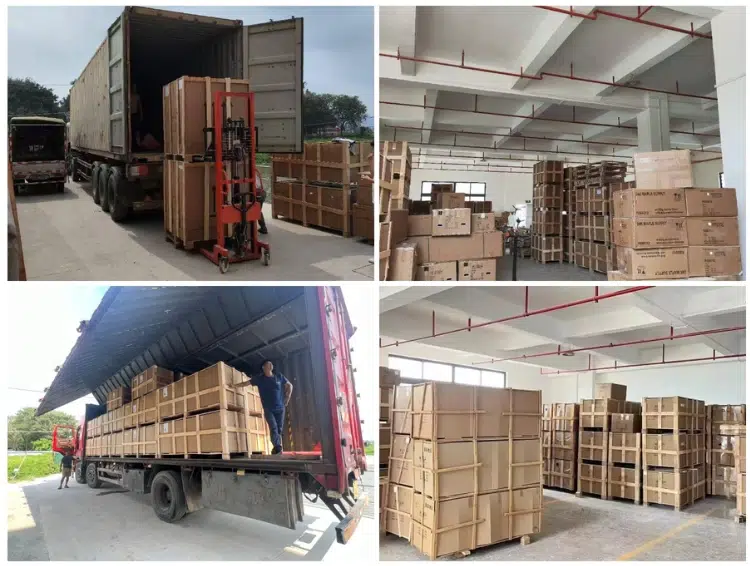
Global Shipping, Secure Packaging

Global Support
Professional Team

Exceptional Quality
Precision Engineering

for Spa and Salon
Luxurious Showcase

Meticulously Designed
Trendsetting Salon Furniture
Company Qualifications
Certified Excellence: 20+ Patents & Quality Management Systems


×
![Certificate Zoom View]()
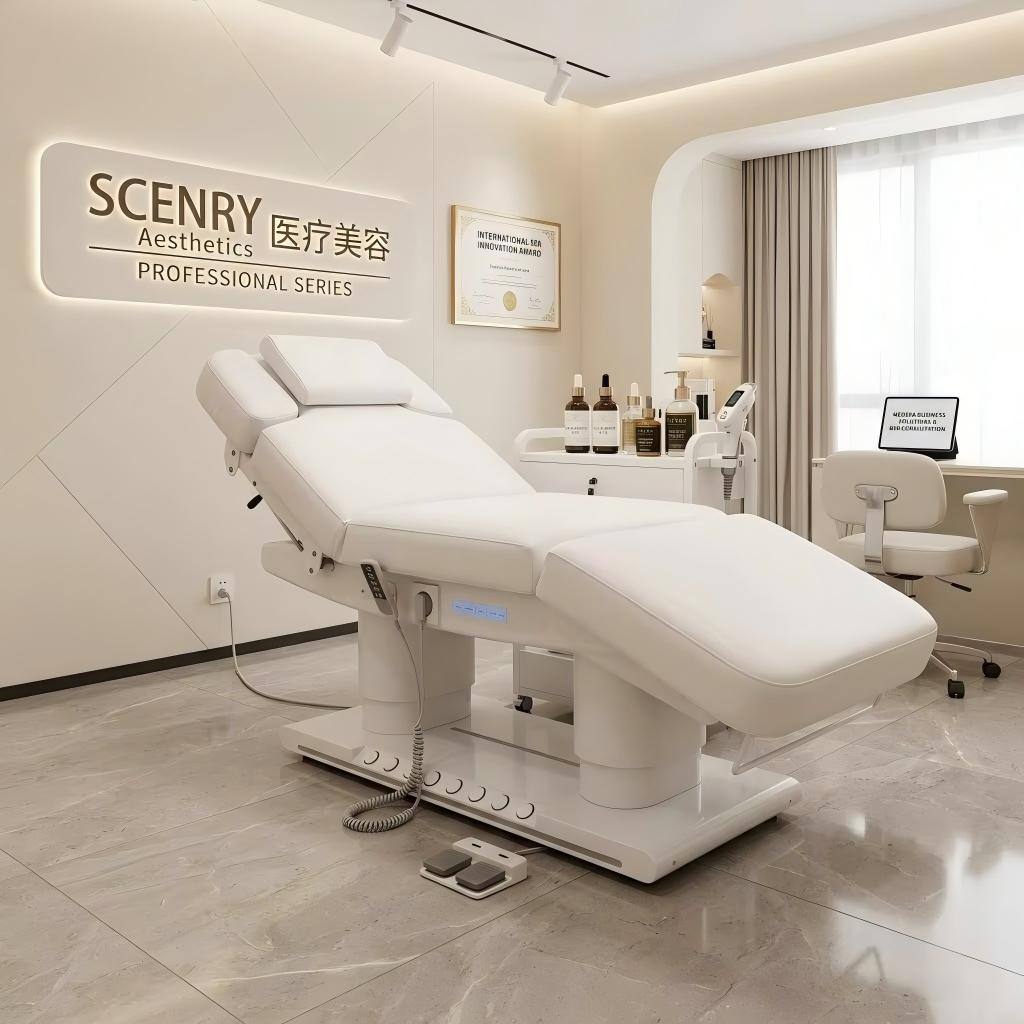
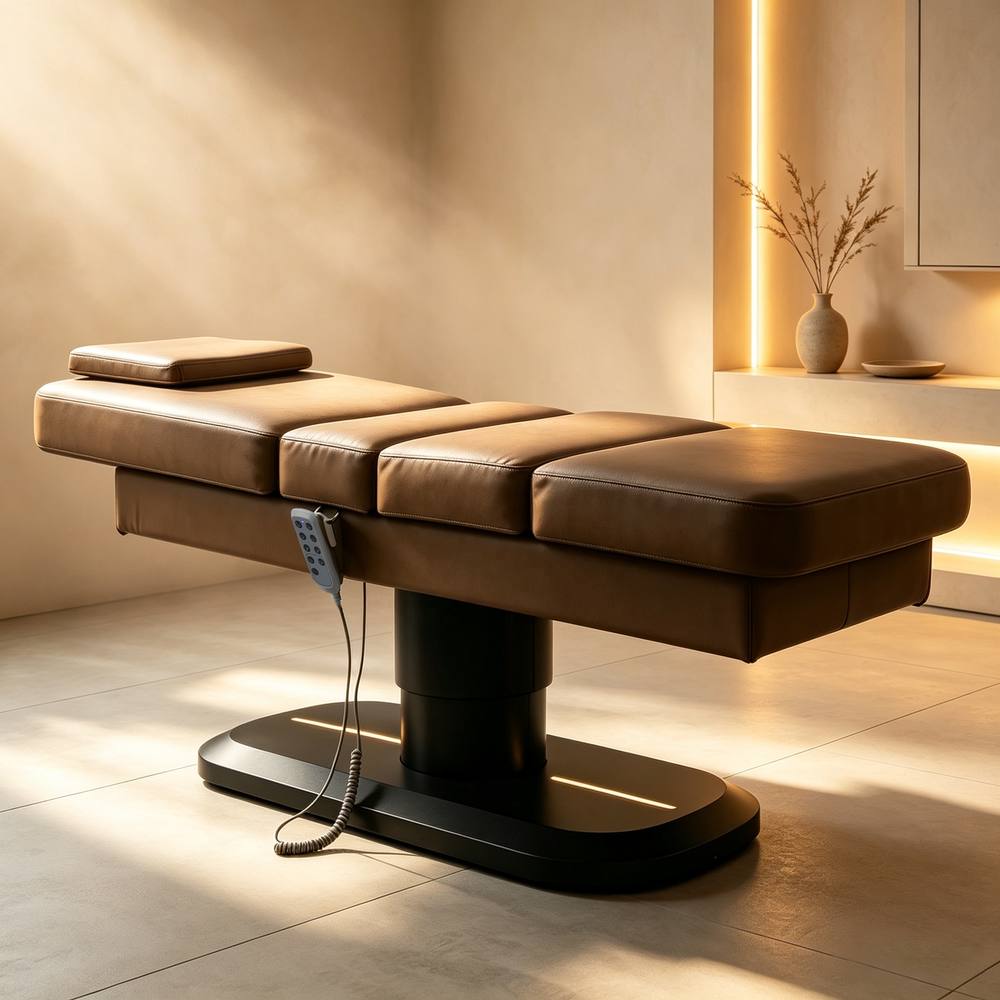
A physical therapy table is the working surface a therapist spends the whole day around, so height range and stability matter more than any finish detail. Our electric hi-lo tables are built for clinics, rehab rooms, sports therapy and home-care practices that need the table to drop low for seated transfers and rise for treatment without the therapist bending over the client. Every unit runs on 2 to 5 motors, carries a 300 kg weight capacity and adjusts through smooth electric travel with foot pedal control available on request.
If you are comparing suppliers, the useful question is not which table looks best in a photo but which one can be specified to your room: height range, table width, upholstery grade, motor count and castor type are all factory decisions. Below is what to check before you order, and how the difference between a therapy table and a treatment table changes the specification.
What to Look For in a Physical Therapy Table
Five specification points decide whether a hi-lo table works in daily practice:
- Height range. A table that stops at 60 cm forces the therapist to work bent forward; a low minimum height (around 45–50 cm) allows seated transfers for older or post-operative patients. Check the lowest and highest position in the specification, not just the travel distance.
- Motor count. Two motors cover height and backrest. Three to five motors add independent leg sections, Trendelenburg-style tilt or foot-section lift, which matters when the same room handles assessment, mobilisation and manual therapy.
- Weight capacity. Our frames are rated at 300 kg, which covers bariatric work without a separate table.
- Upholstery. Treatment rooms use oil, gel and disinfectant daily. Specify a sealed, easy-clean surface rather than a decorative finish, and ask about repairability of the top section.
- Mobility and locking. Castors with central locking let one table serve two rooms; a fixed base is more stable for manual therapy, so decide which matters in your clinic before ordering.
Physical Therapy Tables vs Treatment Tables
The two terms overlap, and suppliers often use them interchangeably. In practice a treatment table is defined by its role — a stable surface for assessment and hands-on work — while a physical therapy table usually means the electrically adjustable version with a wider height range, designed for mobility-limited patients and repeated transfers. When you see treatment tables for physical therapy offered as a product family, the specification is normally the deciding factor: motor count, height range and section articulation.
If your work is mostly massage, aesthetics or general treatment, a multi-purpose treatment table may be enough. If your patients arrive with mobility restrictions, or you use the table for gait preparation and rehabilitation exercises, specify the wider height range and the extra motors rather than upgrading upholstery.
Motor Options and Custom Builds
Standard configurations run from two to five motors, with the additional motors driving leg sections, tilt and the foot section. Adjustable physical therapy tables are also available with:
- Foot pedal control for hands-free height adjustment during treatment
- Breathing holes and face cut-outs for prone work
- Side rails, paper roll holders and accessory rails
- Custom upholstery colours, table dimensions and logo placement
All units are CE certified and run on 110V-240V dual voltage, so the same table works in a US clinic or an international site without rewiring. Custom UL motors are available on request where local procurement rules call for them. Because the factory builds to order, colours, dimensions and motor counts are specified before production rather than retrofitted afterwards.
Naming: Physical Therapist Table, PT Treatment Table or Hi-Lo Table?
Buyers use several names for the same piece of equipment, and the vocabulary shifts depending on who is doing the buying. A clinic manager usually asks for a physical therapy table, a therapist may call it a PT treatment table or simply a plinth, and a purchasing department writes it up as an adjustable physical therapy table. A physical therapist table in a specification normally means the same frame with the same height range — what changes between them is the motor count, the table width and the accessories.
The one name worth clarifying is exercise table for physical therapy. That description sometimes refers to a padded mat table used for rehabilitation exercises rather than hands-on treatment, which is a different build: flatter, lower, and without backrest articulation. If your work mixes manual therapy with guided exercise, the articulated electric table covers both roles, so there is no need for two pieces of furniture in a small room.
In short, the specification decides the product, not the label. Send us the height range, the motor count you need and the services the room is used for, and the model that matches is the same whether you call it a therapy table or a physical therapy treatment table.
| Specification | Standard build | Wider application |
|---|---|---|
| Motors | 2 (height, backrest) | 3–5 (adds leg sections, foot section, tilt) |
| Height range | Standard hi-lo travel | Low minimum height for seated transfers |
| Weight capacity | 300 kg | 300 kg, wider surface for patient comfort |
| Control | Hand control | Hand control plus foot pedal |
| Voltage | 110V-240V dual voltage | Same, with custom UL motors on request |
Table or Physical Therapy Chair?
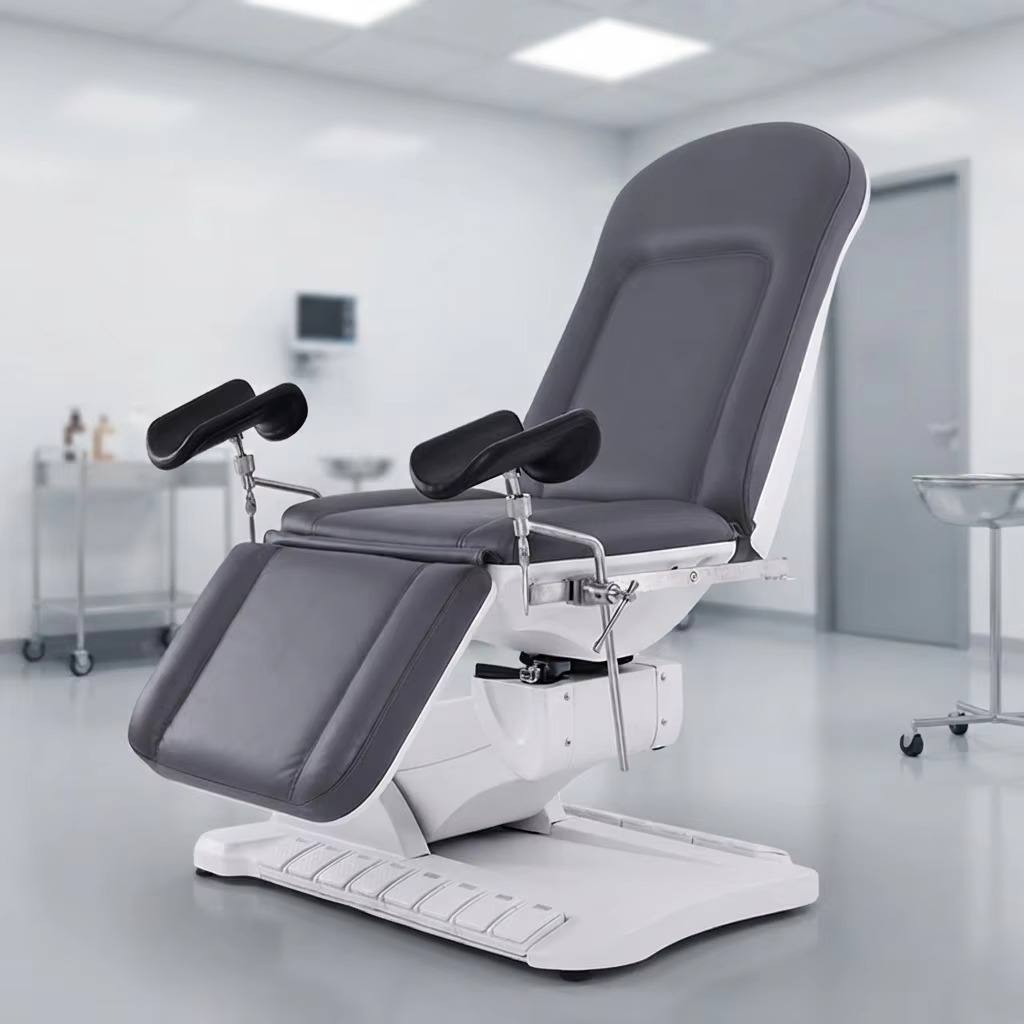
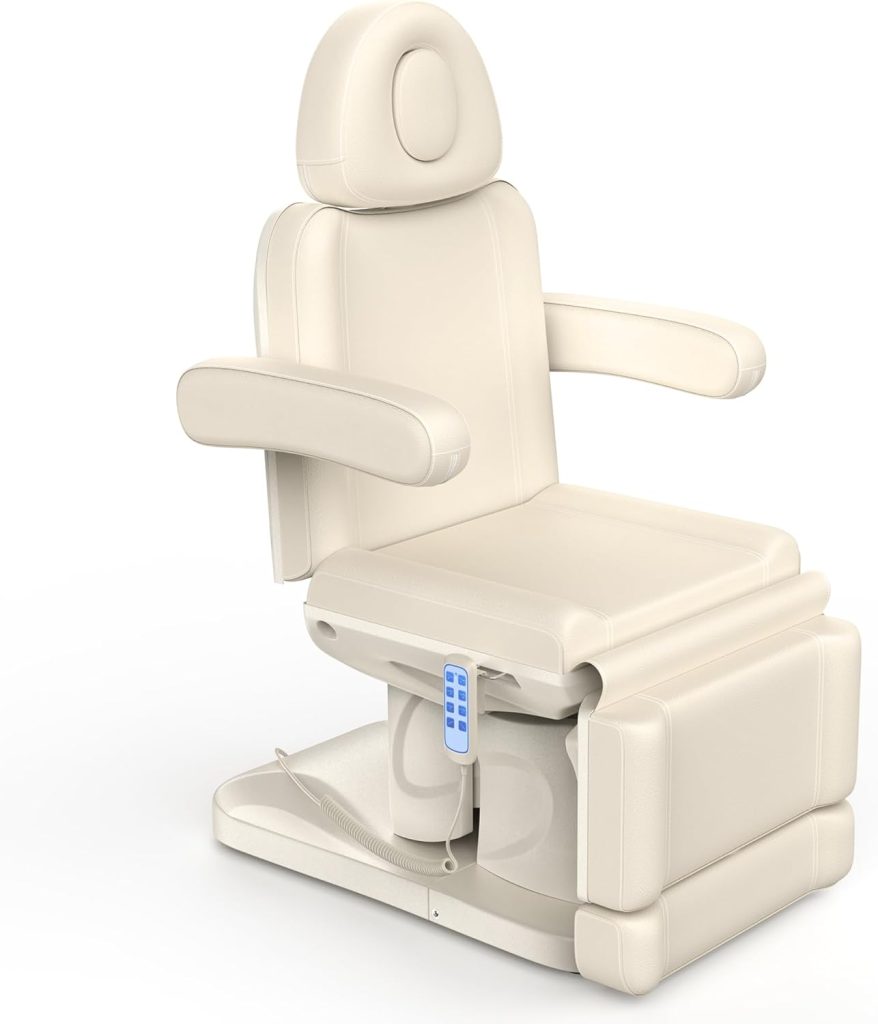
Not every treatment room needs a table. A physical therapy chair or split-leg treatment chair suits shorter sessions, seating transfers and procedures where the patient needs to sit with leg support, and it takes less floor space than a full table. Clinics with limited rooms often run one hi-lo table plus one therapy chair, using the table for assessment and manual work and the chair for dressing changes, injections and post-operative checks. Our podiatry and examination chair range covers the seating side of that pairing.
Ordering, Shipping and Warranty
Nova is a factory-direct manufacturer, so every order is built to specification: MOQ is 1 unit for standard items, production runs on a 10–15 day window, and DDP door-to-door shipping to the US folds freight, customs clearance and duties into the quoted price. Sample orders are available if you want to test one table before fitting a whole clinic.
Every table ships with a one-year warranty covering motors and the electrical system, with replacement parts and installation guidance for covered faults. Function-testing videos and photos are sent for confirmation before the goods leave the factory, so what arrives matches what was specified.
Related Equipment
Most clinics fit the therapy table alongside other clinical furniture, so it helps to plan the room as a set rather than one piece at a time: treatment tables for general assessment work, podiatry and examination chairs for seated procedures, and medical exam beds for outpatient and maternity rooms. Two models that regularly go into therapy rooms are the 4-motor heavy-duty physiotherapy table and the multi-motor therapy bed with ergonomic support.
Physical Therapy Tables: FAQ
What height range should a physical therapy table have?
Look for a low setting around 45–50 cm for seated transfers and a high setting that lets the therapist work without bending. If the room handles both mobility work and standard treatment, choose the model with the wider travel rather than the narrower one.
How many motors do I need on a hi-lo therapy table?
Two motors cover height and backrest, which is enough for straightforward treatment. Three to five motors add independent leg sections, foot-section lift and tilt, and are worth specifying when the table is used for assessment, mobilisation and rehabilitation in the same room.
Can these treatment tables for physical therapy carry heavier patients?
Yes. The frames are rated at 300 kg, so no separate bariatric table is needed. Table width also matters for comfort in that case, and width is a factory option we can confirm against your room.
Is a physical therapy table the same as a massage table?
No. A massage table is usually a fixed-height, lighter-duty surface, while a hi-lo physical therapy table is electrically adjustable, carries a higher weight rating and is designed for repeated patient transfers. If you run both massage and rehab services, an adjustable table covers both.
What is the warranty and delivery time?
One-year warranty on motors and the electrical system, MOQ 1 unit, 110V-240V dual voltage, and a 10–15 day production window with DDP door-to-door shipping to the US. Send your room dimensions and the services you run and we will quote to the specification rather than to a catalogue number.