
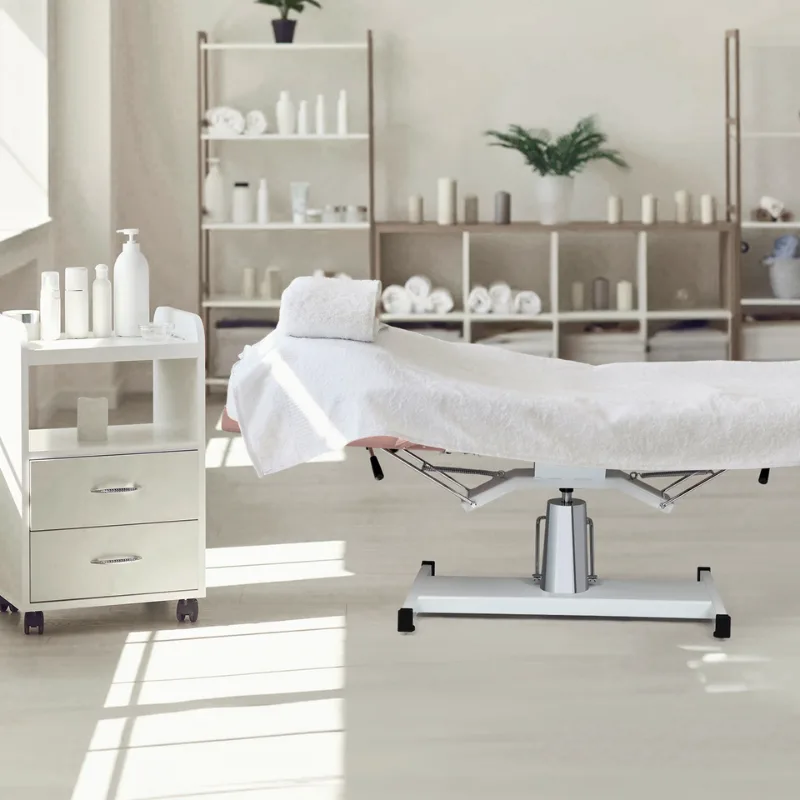
Why the Right Massage Table Impacts Health, Comfort, and Business Performance
A massage table is not just treatment furniture. It is a load-bearing work surface used repeatedly throughout the day, often under physical stress. The choice directly affects three long-term outcomes.
Before you buy, note the standard massage table dimensions: roughly 73 to 84 inches long, 28 to 33 inches wide, and 24 to 34 inches high, a range that fits most therapists and treatment rooms. Nova’s tables ship factory-direct with MOQ 1, one-year warranty and DDP delivery.
- Client comfort and perceived treatment quality
- Therapist posture, fatigue levels, and career longevity
- Operational efficiency, professional image, and return on investment
As demand for massage therapy continues to grow, many practices expand services, add staff, or increase daily session volume. In these scenarios, equipment decisions made early can either support sustainable operations or introduce recurring physical strain and workflow limitations.
A common issue seen in commercial settings is choosing a table based on price or appearance, then adapting the room and workflow around it. This often results in compromised movement space, inefficient therapist positioning, and faster equipment wear.
Three Questions That Should Guide Every Massage Table Purchase
Before reviewing specifications or comparing brands, it is important to clarify three decision anchors. These reduce the risk of selecting a table that works in theory but fails in daily use.
One of the first questions buyers ask is about the standard massage table size and whether a compact frame can still deliver a full-body treatment. The typical massage table dimensions are around 73 inches long and 28-30 inches wide, with a working height between 25 and 34 inches for most therapists. When you check the standard massage table measurements, also look at weight capacity — our tables are rated to 300kg, well above the 150-200kg common on consumer units. If you are planning your treatment room layout, our massage table set up checklist covers spacing, lighting, and face cradle placement so you don’t waste floor space. Every table in this category supports a massage table size option that fits your room, from slim 24-inch models for small studios to wide 32-inch frames for sports massage.
Size and Ergonomics
Does the table width allow efficient reach without forcing shoulder elevation or excessive leaning?
Can height adjustment accommodate different techniques and therapist body types?
Is the usable length sufficient for taller clients without limiting therapist access?
Weight Capacity and Safety
Do you distinguish between static weight and working, or dynamic, weight capacity?
What is the heaviest client profile you serve regularly?
Will treatments involve sustained pressure, deep tissue work, or assisted movement?
Materials and Durability
Is the frame material suited to frequent daily use or transport?
Can the upholstery tolerate oils, disinfectants, and repeated cleaning?
Will the table maintain stability and surface integrity over several years of use?
Addressing these questions early helps avoid selection errors that are difficult to correct once a room is fully set up.
Massage Table Size: Standard Dimensions at a Glance
If you are searching by massage table size, the professional standard is roughly 73 inches long and 28-30 inches wide, with an adjustable working height between 25 and 34 inches. That standard massage table size fits the average adult client comfortably, while compact tables around 68-70 inches suit small studios and mobile therapists.
- Width: 28-30 in is the professional standard; 27 in or less suits narrow rooms; 31 in and up adds client stability but needs more floor space.
- Height: electric and hydraulic frames adjust from about 25 in (low, for facial work) up to 34 in (ideal for deep-tissue and sports massage).
- Weight capacity: Nova tables are rated to 300kg — well above the 150-200kg common on consumer units.
Before you order, measure your room and check every door clearance, then confirm the massage table size against your tallest and heaviest clients. When in doubt, choose electric height adjustment: one table then covers facial treatments and sports massage without compromise.
Massage Table Types and the Work Environments They Support
| Type | Key Characteristics | Best For |
|---|---|---|
| Stationary Tables | High stability, high weight capacity, fixed placement | Clinics, spas, dedicated treatment rooms |
| Portable Tables | Lightweight, foldable, transport-friendly | Mobile therapists, home visits, start-up studios |
| Electric Lift Tables | Motorized height control, smooth transitions | High-end spas, physical therapy, ADA-accessible spaces |
| Hydraulic Tables | Foot-pedal adjustment, durable mechanisms | Chiropractic clinics, sports rehabilitation centers |
| Flat Tables | Simple structure, strong base | General massage, foundational treatments |
| Tilt or Multi-Section Tables | Adjustable head, back, and leg sections | Acupuncture, esthetics, reflexology, Thai massage |
When selecting a type, room size and therapist circulation should be considered alongside service offerings. Fixed tables typically require greater clearance but support higher session volume with less setup time.
How to Evaluate a Massage Table Before Making a Decision
Table Size and Ergonomics That Protect the Therapist
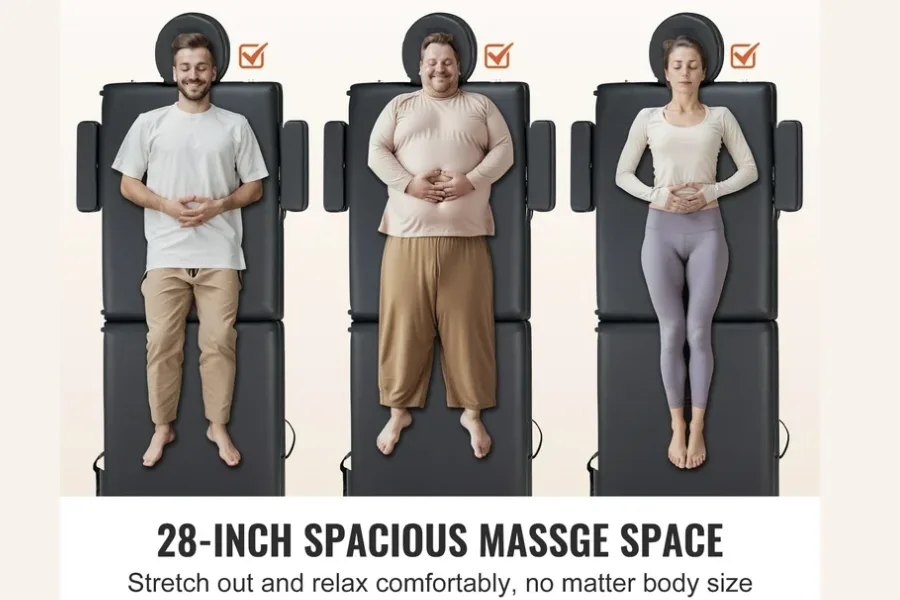
Width
Most professional tables fall between 28 and 32 inches wide.
- Narrow tables, 27 inches or less, reduce reach distance and suit shorter therapists or high-frequency deep tissue work
- Wider tables, 31 inches or more, improve client stability but require more shoulder reach and room clearance
As a planning reference, wider tables should be paired with larger treatment rooms to maintain safe therapist movement around the table.
Height
Typical adjustable height ranges from 22 to 39 inches.
A practical guideline is table height equals knuckle height minus two inches.
In multi-therapist clinics, tables with broader height adjustment ranges reduce setup friction when staff rotate between rooms.
Length
Standard length is 72 inches. Adjustable headrests extending total length to approximately 195 centimeters improve accommodation for taller clients while preserving therapist access at the shoulder and neck.
Weight Capacity and Safety Limits You Should Not Ignore
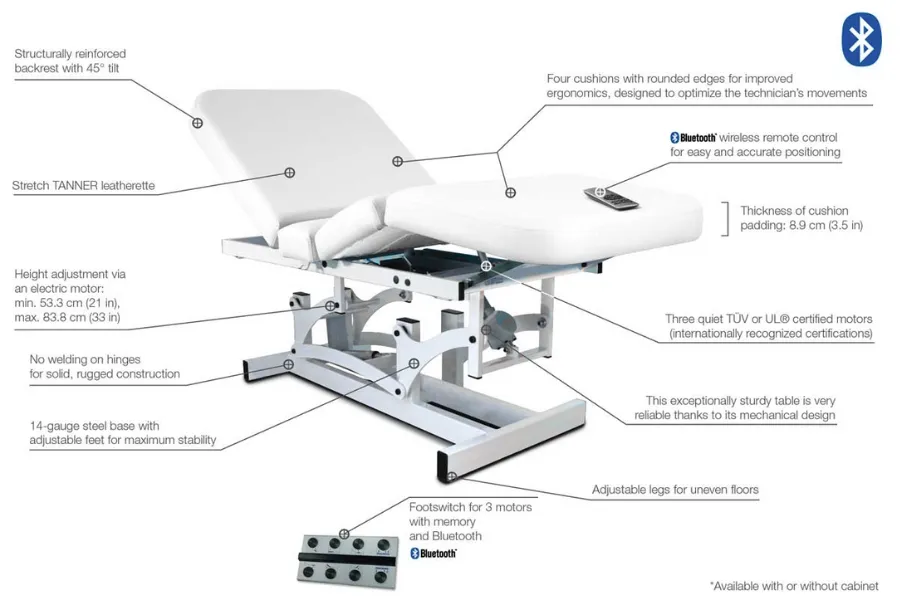
Static weight refers to the load a table supports without movement.
Working, or dynamic, weight includes client weight plus therapist pressure and repositioning forces.
For commercial use, a working weight capacity between 300 and 600 pounds is generally appropriate, depending on service intensity.
Routine safety checks
- Confirm all locking components are fully engaged
- Inspect support cables on portable tables
- Test for lateral movement or instability
- Verify headrest and adjustment mechanisms are secure
Ignoring dynamic load limits increases injury risk and accelerates structural fatigue.
Materials and Build Quality for Long-Term Use
Frame materials
- Wood frames provide visual warmth and rigidity, suitable for fixed rooms
- Aluminum or metal frames reduce transport weight and resist corrosion
Upholstery
Surfaces should be waterproof, oil-resistant, and compatible with professional disinfectants. Common materials include PU, PVC, vinyl, faux leather, and microfiber leather. Fire resistance and antimicrobial properties are important in regulated environments.
Padding
Foam thickness between 2.5 and 5 inches is standard. High-density foam maintains shape under repeated pressure. Memory foam improves pressure distribution but should be balanced with structural support.
Comfort Features and Accessories That Affect Client Retention
Essential accessories
- Adjustable face cradle
- Positioning bolsters
- Arm supports or shelves
- Waterproof protective covers
- Carry cases for portable tables
Experience-enhancing options
- Heated pads
- Aromatherapy systems
- Integrated audio
- LED chromotherapy
- Water mattress systems
These features make sense only when treatment positioning, session length, or service concept justifies them. In many operational settings, simplicity improves reliability and reduces maintenance demands.
Budget Planning and What Determines Long-Term Value
Typical pricing tiers
- Entry-level, under $800, basic portable tables for students or early-stage practices
- Mid-range, $800 to $2,000, higher-quality stationary or premium portable models
- High-end, above $2,000, electric or hydraulic tables with advanced positioning
Beyond initial cost, long-term value depends on durability, warranty coverage, and service support. Manufacturers involved in commercial projects, such as Nova, often see issues arise when room layout, therapist workflow, and table specifications are planned separately rather than as a single system.
How Proper Maintenance Extends Table Lifespan and Safety
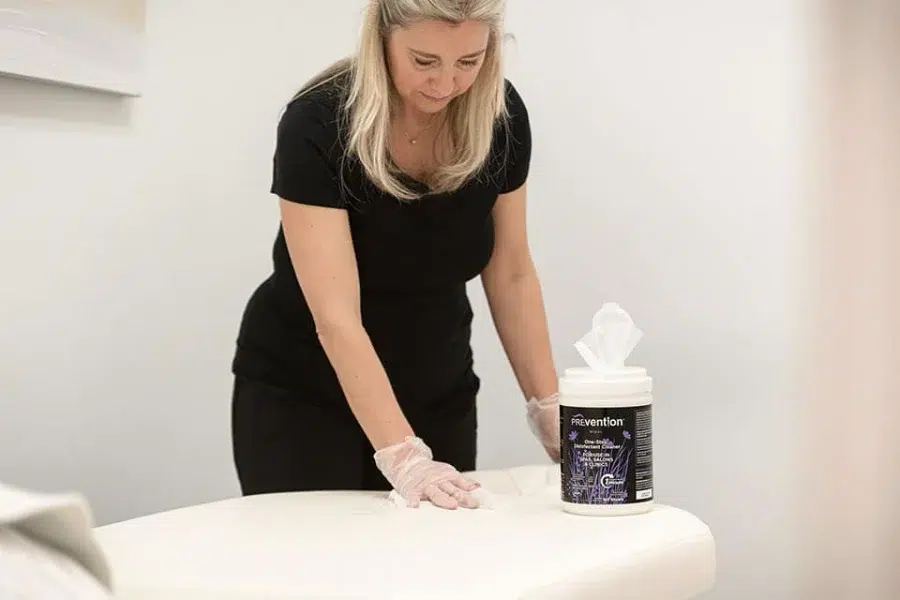
Daily
Clean upholstery using manufacturer-approved disinfectants after the final session.
Monthly
Inspect fasteners, locking systems, and adjustment components. Lubricate moving parts if specified.
Long-term
Reupholstering is practical when the frame remains stable. Tables showing structural deformation, persistent noise, or instability should be replaced to maintain safety standards.
FAQ
How to choose the right massage table height for my body type?
Use the knuckle height minus two inches guideline as a starting point. The table should allow neutral wrist and shoulder positioning without excessive leaning. In shared treatment rooms, wider height-adjustment ranges help accommodate therapists of different heights efficiently.
What is the difference between electric and manual massage tables?
Electric tables allow quick height adjustments during sessions, which benefits high-volume or multi-therapist environments. Manual tables use simpler mechanisms and typically require less maintenance. Long-term durability depends more on construction quality and usage intensity than adjustment type.
How should massage table upholstery be cleaned safely?
Clean upholstery using disinfectants approved for synthetic leather after daily use. Avoid alcohol-heavy or abrasive cleaners, as they can degrade surface coatings over time. Consistent, gentle cleaning extends upholstery life and maintains hygiene standards in professional settings.
Are portable massage tables stable enough for professional clinics?
Yes, when designed with strong frames and secure locking systems. Stability depends on build quality, proper setup, and routine inspections. Portable tables used in clinics should meet commercial weight ratings and be checked before each session.
Do heavier clients require a different massage table?
Yes. Tables must provide sufficient working weight capacity to safely support both client weight and applied pressure. Wider surfaces and reinforced frames improve stability and comfort, reducing equipment strain and lowering safety risks during treatment.
What is the difference between spa tables and standard massage tables?
Spa tables are built for humid environments and frequent cleaning, using waterproof materials and corrosion-resistant components. They often feature thicker padding and refined finishes to support longer, comfort-focused treatments common in spa settings.
A Five-Point Checklist to Confirm the Right Choice
- Table type aligns with service environment and workflow
- Dimensions support therapist posture and client comfort
- Working weight capacity meets safety requirements
- Padding and accessories serve functional needs
- Budget reflects durability, warranty, and long-term value
Related Products for Your Salon Business
Browse our professional-grade salon equipment and furniture at factory-direct wholesale prices: