
Essential Esthetician Supplies & Equipment Checklist Overview
Opening or upgrading an esthetics practice involves dozens of interconnected decisions. The difficulty is rarely access to options, but understanding what is essential, what can wait, and how each choice affects daily operations.
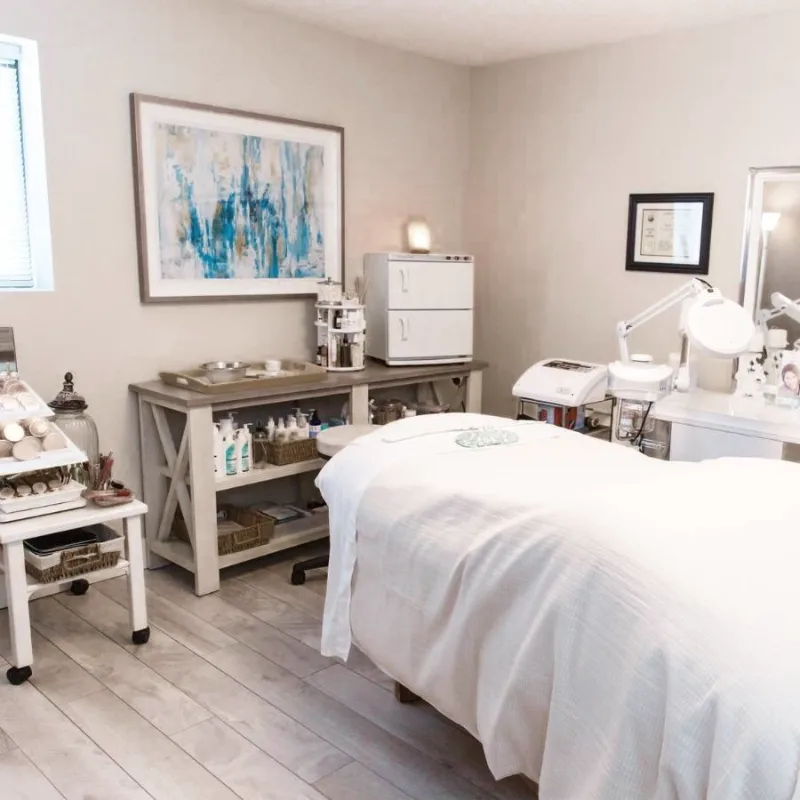
Build your esthetician supplies list around the treatments you actually sell: a treatment bed, trolley, magnifying lamp, steamer and a sterilizer cover most esthetics rooms. If you are starting lean, the esthetician essentials come down to bed, stool, lamp and linens before you add machines. Nova ships factory-direct with MOQ 1, one-year warranty and DDP delivery.
This checklist is designed to reduce that uncertainty. It provides a complete, practical reference covering compliance, equipment, products, sanitation, and client experience. Use it as a working guide and adapt each section based on your services, space constraints, and long-term goals.
What to Prepare Before You Buy Any Equipment
Before investing in furniture or devices, regulatory and administrative requirements must be addressed. These steps determine whether your business can operate legally and safely. If compliance is incomplete, equipment purchases are premature.
Confirm that all estheticians hold valid state licenses. Complete business registration, zoning approval, and any local permits required for esthetics or spa services.
Most jurisdictions require visible, up-to-date signage, including chemical hazard notices for products in use, handwashing and hygiene instructions, health and safety rules, and allergen disclosures for ingredients such as nut oils or latex.
Professional liability insurance should be active before the first client appointment. This protects both client welfare and business continuity.
Essential Treatment Room Furniture and Equipment
This category forms the functional core of your treatment space and represents the most significant capital investment. Equipment should be selected based on daily usability and long-term durability rather than feature lists.
Facial beds or chairs should balance comfort, adjustability, and sanitation. Medical-grade vinyl surfaces simplify cleaning and tolerate frequent disinfection. Fixed beds suit basic service menus, pneumatic beds improve ergonomics at moderate cost, and electric beds support high-volume or premium environments. If you want one unit that already meets those standards, a 3-motor electric esthetician bed with LED light pairs motorized height and angle adjustment with LED task lighting.
Esthetician chairs or stools should be height adjustable with quiet casters. Back support is recommended for extended sessions.
Auxiliary trolleys or side tables keep tools organized and within reach. Multi-tier designs with drawers and integrated power access improve workflow efficiency.
Facial steamers support extractions and skin preparation when temperature control and adjustable nozzles are available. Magnifying lamps with LED lighting, dimming, and flexible arms improve precision without heat buildup.
Hot towel cabinets maintain consistent warmth and support hygiene, especially when UV features are included. Wax heaters should offer accurate temperature control, with dual-pot models allowing both soft and hard wax use.
Autoclave sterilizers are strongly recommended for metal tools. Small-capacity units are typically sufficient and represent the highest standard of instrument safety.
In long-term salon planning, manufacturers like Nova often see that ergonomic design and ease of sanitation matter more to operators after the first year than initial aesthetics or added features.
Layered lighting using overhead LEDs and task lighting supports accurate treatments. Full-length and handheld mirrors, background music systems, and skincare refrigerators for temperature-sensitive products complete the functional environment.
Daily-Use Tools and Disposable Supplies
If something is used on every client, reliability and hygiene matter more than brand or appearance.
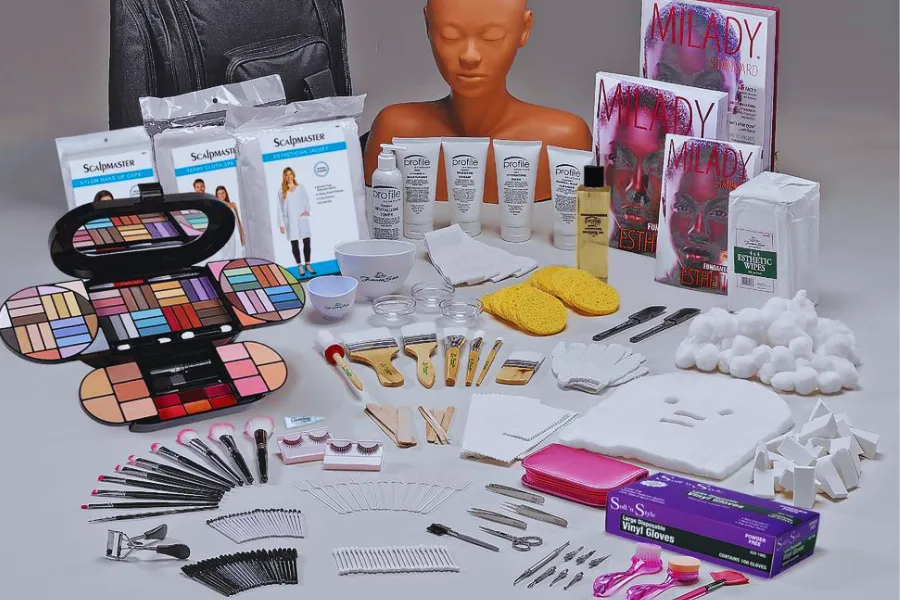
Reusable professional tools include surgical-grade stainless steel extraction tools, slanted and flat tweezers, reusable mask brushes, Wood’s lamps for skin analysis, and facial massage tools such as gua sha boards or rollers.
Disposable supplies form the backbone of infection control. Maintain consistent stock of nitrile gloves, masks, headbands, cotton pads, swabs, gauze, single-use sponges, disposable sheets, pillowcases, towels, robes, wax strips, and post-wax wipes.
Building a Functional Professional Skincare Line
Coverage across skin types and conditions is more important than the number of brands carried.

A balanced professional skincare line includes cleansers for different skin conditions, toners for pH balance and hydration, chemical exfoliants using AHAs and BHAs, gentle physical exfoliants, targeted serums and ampoules, masks for cleansing and nourishment, moisturizers matched to skin needs, and broad-spectrum sunscreen for post-treatment protection.
Specialized products such as facial massage oils, post-treatment recovery products, and pre- and post-wax care formulas support treatment consistency.
Begin with professional-grade lines known for consistency and education support. As demand becomes clearer, private label or customized solutions can strengthen differentiation and margin control.
How to Set Up Safe and Reliable Sanitation Protocols
Consistency matters more than complexity when it comes to sanitation.
Surface and equipment cleaning should rely on hospital-grade disinfectants for beds, carts, and counters, disinfectant wipes for high-touch areas, and immersion solutions such as Barbicide for non-heat-safe tools.
A clear tool sterilization workflow should be followed. Wash tools with soap and water immediately after use, rinse and dry thoroughly, disinfect or sterilize based on tool type, and store in sealed containers or UV cabinets. Autoclaves are required for tools that puncture the skin.
Waste management requires separate bins for general waste and biohazard materials, following local medical waste regulations. Antimicrobial soap and accessible handwashing stations should be available in treatment areas.
Across multi-location projects, experienced suppliers such as Nova often observe that sanitation systems fail not due to equipment, but due to unclear workflows. Simple, enforced routines outperform complex setups.
Designing Comfort and Client Experience Into the Space
Once functional requirements are met, sensory details influence retention and perceived value.
Use soft, neutral color palettes, warm and dimmable lighting, calm background music or white noise, and light aromatherapy with attention to sensitivities. Heated linens, blankets, and pillows improve comfort during longer treatments.

Client comfort is supported by providing drinking water or herbal tea, hand cream and lotion in restrooms, and high-quality tissues and cotton pads.
A clean, organized reception area sets expectations and reduces congestion. Clear branding and product information support informed conversations without pressure.
For facial rooms, a compact facial trolley cart keeps cleansers, tools, and towels within arm’s reach of the treatment bed—browse the beauty trolley range for 2-, 3-, and 4-tier options.
Optional Equipment for Service Expansion
Advanced devices should align with training, demand, and space capacity.
Common options include microcurrent devices, high-frequency machines, microdermabrasion and hydrofacial systems, LED therapy panels, laser hair removal equipment with proper certification, and cryotherapy devices for calming and pore refinement. For skin analysis in particular, an AI-based skin analyzer table with adjustable stand adds a documentable, measurable step to every facial consultation.
Introduce advanced equipment only when operational fundamentals are stable.
FAQ
What should I prioritize if my budget is limited?
Start with essentials that affect safety and daily workflow. Prioritize compliant treatment furniture, reliable sanitation equipment, magnifying lighting, core disposable supplies, and a versatile professional skincare line. These items support legal operation and consistent service quality. Comfort upgrades such as steamers or towel warmers can be added once operations stabilize.
Do I really need an autoclave?
Yes, if you use tools that puncture the skin. Alcohol disinfects but does not achieve sterilization. An autoclave eliminates all microorganisms, including spores, and represents the highest safety standard. It also signals professionalism to clients and inspectors, making it a critical investment for trust, compliance, and long-term credibility.
How do I choose the right skincare brands?
Begin with one or two professional-grade lines that offer education, technical support, and a complete product range. Focus on the most common concerns among your target clients, such as acne, aging, or sensitivity. Avoid overextending inventory early. Expansion should follow clear client demand and treatment consistency.
What is the minimum recommended treatment room size?
A functional treatment room typically requires 110–130 square feet. This allows space for the treatment bed, esthetician stool, trolley, and safe movement around the client. Adequate clearance improves ergonomics, reduces workflow interruptions, and supports proper sanitation without crowding equipment or compromising comfort.
What is commonly overlooked when opening an esthetics practice?
New operators often overlook scheduling and client management software, consent forms, emergency kits, and basic office supplies. Clear service documentation and standardized intake processes are also frequently missed. These operational details do not generate revenue directly but are essential for compliance, efficiency, and a professional client experience.
Planning for Long-Term Success
This checklist reflects the full scope of what it takes to operate a professional esthetics practice, from compliance and hygiene to workflow and client experience.
As a next step, review your service menu, available space, and budget, then map purchases in phases rather than all at once. A well-planned setup evolves over time, supporting consistent care today and sustainable growth in the future.
Related Products for Your Salon Business
Browse our professional-grade salon equipment and furniture at factory-direct wholesale prices: