
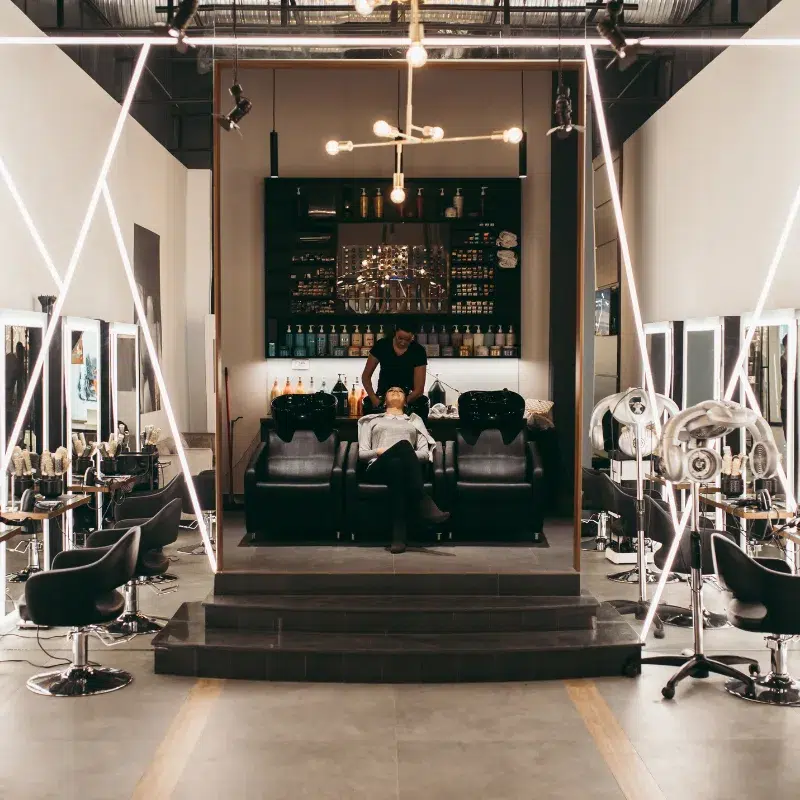
Why Salon Stations Play a Critical Role in Your Salon
Hair salon stations are more than furniture. They are the operational center of daily salon services.
Every haircut, styling session, and consultation happens at the station. The structure and layout of this workspace influence service efficiency, stylist comfort, and the overall impression clients have of the salon.
Choosing the right salon stations is therefore an operational decision. The right setup supports stylists during long working hours and creates an environment where clients feel confident in the professionalism of the salon.
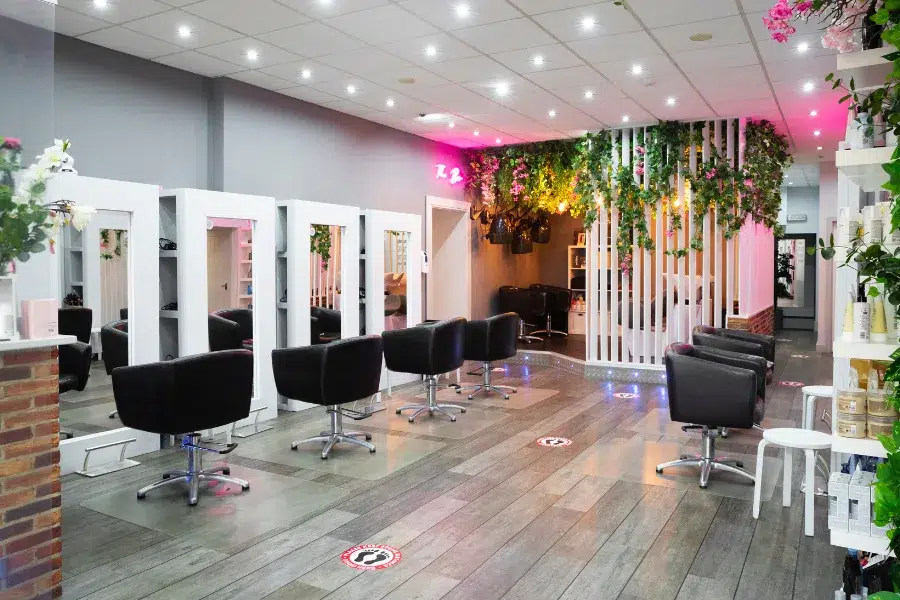
How Salon Stations Shape Your Salon’s Image
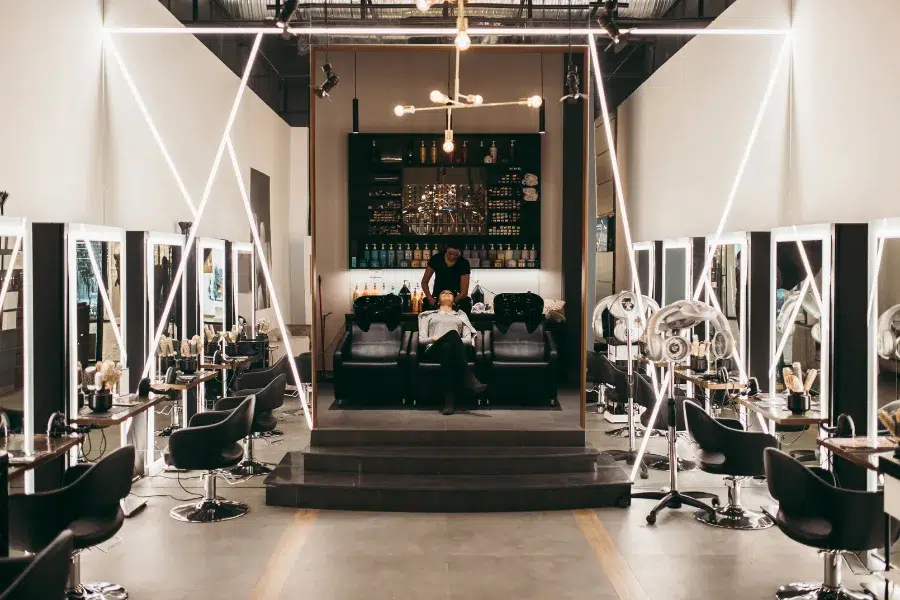
Salon stations are one of the most visible elements in the interior space. Clients spend most of their appointment facing the mirror, which makes the styling station a focal point of the experience.
Consistent station design helps define the identity of the salon. Whether the interior style is modern, classic, or minimalist, the station reinforces the brand through materials, color, and structure.
A coordinated setup also makes the salon feel organized and intentional, which strengthens the professional image clients perceive.
How the Right Station Improves Stylist Workflow
An efficient workstation reduces unnecessary movement during service.
Tools, styling products, and electrical outlets remain within reach, allowing stylists to focus on the client instead of searching for equipment. Organized drawers and appliance holders help maintain a tidy working area throughout the day.
In most professional salons, a stylist typically operates within a working radius of about 90 to 120 cm around the chair. Keeping essential tools, drawers, and outlets inside this radius reduces unnecessary movement and helps maintain consistent service speed.
Why Stylist Comfort Starts With the Right Station
Stylists spend many hours standing and performing detailed work. A poorly designed station can quickly lead to fatigue and physical strain.
Stations that support ergonomic positioning help reduce pressure on the back, neck, and shoulders. Proper mirror height, accessible storage, and balanced lighting contribute to a healthier working environment.
A comfortable workstation helps stylists stay focused and productive, which improves both service quality and long term job satisfaction.
Making Better Use of Your Salon Space
Salon floor space must be used carefully. Every workstation affects how people move throughout the salon.
Stations that are properly sized and positioned allow clients and staff to move smoothly between reception, styling areas, and wash stations. Efficient layouts prevent congestion and keep the salon feeling open.
Flexible or modular stations also make it easier to adjust the layout when the salon expands or introduces new services.
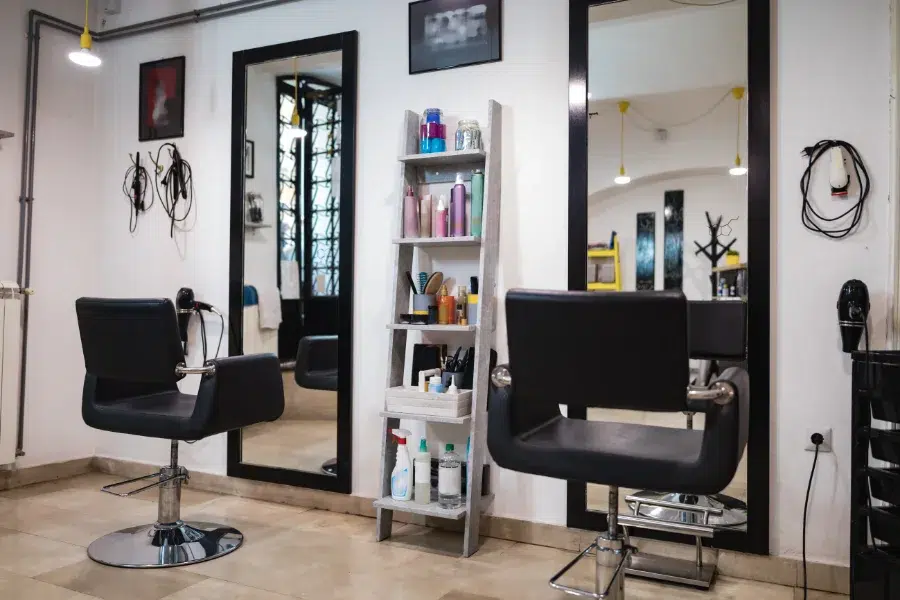
How Salon Stations Influence the Client Experience
Clients remain seated at the station for most of their appointment. The comfort of this space strongly influences how they perceive the service.
Adequate legroom, a clear mirror, and a clean workstation help clients feel relaxed and confident during their visit. Small details in workstation design often shape whether the salon appears professional and well organized.
When the environment feels comfortable and structured, clients are more likely to return.
What to Look for When Choosing Salon Stations
Selecting salon stations requires balancing design, function, durability, and long term value. The goal is to create workspaces that support daily operations while maintaining a consistent interior style.
Several practical factors should guide this decision.
Choose a Design That Fits Your Salon Concept
The station should support the visual identity of the salon.
Modern salons often prefer minimal structures with clean lines and neutral colors. Classic salons may use wood finishes or subtle decorative details that create a warmer atmosphere.
Consistency across styling stations, shampoo beds, reception desks, and mirrors helps create a cohesive interior environment.
Prioritize Practical Storage and Tool Access
Salon stations should support the daily routine of stylists.
Important features include:
- drawers and shelves for product storage
- appliance holders for styling tools
- built in electrical outlets
- spacious countertops for tools and products
- clear mirrors that support precision work
These features reduce clutter and help stylists maintain an organized workspace throughout the day.
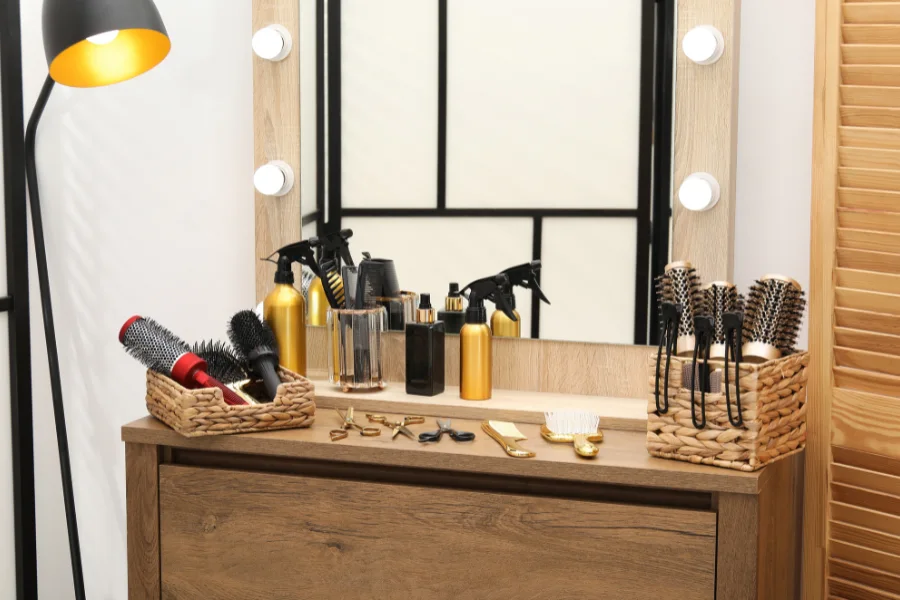
Choose Materials That Withstand Daily Salon Use
Salon equipment is exposed to heat tools, hair products, water, and frequent cleaning.
Materials should therefore be durable and easy to maintain.
Common commercial materials include:
- solid wood for structural strength and visual warmth
- stainless steel for durability and sanitation
- laminate surfaces for practical maintenance and color flexibility
- tempered glass for a modern appearance
Durable materials help maintain a professional look while reducing long term replacement costs.
Choose Station Sizes That Fit Your Layout
Station dimensions must match the available salon space without restricting movement.
A practical rule is to leave around 1.5 meters between styling stations. This spacing allows stylists to move comfortably while clients remain seated without feeling crowded.
In higher traffic salons, designers often increase this distance slightly to maintain smooth movement during busy periods.
Leave Room for Future Layout Changes
Salon operations evolve over time. New services or additional stylists may require layout adjustments.
Stations with modular structures or movable components provide useful flexibility. Rolling storage units or detachable modules allow the workspace to adapt as operational needs change.
Some professional manufacturers, including NovaBeauty, design salon stations with modular configurations that support long term layout adjustments.
Design the Station With Client Comfort in Mind
Small details in workstation design influence how comfortable clients feel during longer appointments.
Important considerations include:
- sufficient legroom under the station
- mirrors positioned at a natural viewing height
- stable surfaces for personal belongings
- lighting that clearly reflects the styling process
These details help create a calm and professional environment for clients.
Think About Long Term Value Instead of Only Price
Salon stations should be viewed as long term infrastructure rather than short term purchases.
Lower cost stations may require frequent replacement or repair. Higher quality stations often provide better durability and easier maintenance.
Investing in reliable equipment typically reduces operational costs over the lifespan of the salon.
Common Types of Salon Styling Stations
Different salon layouts require different workstation structures. Understanding these options helps salon owners choose the configuration that best fits their space and service model.
Freestanding Salon Stations
Freestanding stations do not require wall installation. They are useful in rental spaces where permanent installation may not be allowed.
These stations provide flexibility and can be repositioned if the salon layout changes.
Wall Mounted Styling Stations
Wall mounted stations attach directly to the wall. This design reduces floor obstruction and creates a cleaner interior layout.
They are often used in smaller salons where maximizing available floor space is important.
Double Sided Styling Stations
Double sided stations allow two stylists to work back to back using the same structure.
This configuration works well in larger salons where the central floor area can support shared workstations.
Wet Stations With Built In Shampoo Bowls
Wet stations combine styling space with a shampoo bowl.
These units allow stylists to wash and style hair in the same location, which can improve workflow efficiency in certain service models.
Mobile Workstations and Salon Trolleys
Mobile workstations provide additional storage that moves with the stylist.
They are commonly used alongside main styling stations when stylists need quick access to tools and products during busy service periods.
Practical Tips for Planning Your Salon Layout
A well planned salon layout supports smooth movement and efficient service flow.
It is helpful to keep at least 90 to 100 cm of walkway clearance behind each styling chair. This space allows stylists to move comfortably while clients enter and exit their seats safely.
Lighting should provide balanced illumination around the styling station without creating glare in the mirror. Many professional salons aim for lighting levels around 500 to 700 lux in styling areas to support accurate cutting and color work.
Combining overhead lighting with mirror side lighting often produces the most even visual results.
Final Thoughts on Choosing Salon Stations
Salon stations play a central role in daily salon operations. They influence stylist efficiency client comfort and the overall professionalism of the salon environment.
Choosing the right stations requires careful consideration of layout durability workflow and maintenance. When these factors are planned well the styling area becomes a stable foundation for consistent service quality.
Well designed stations support both the creative work of stylists and the long term success of the salon.