
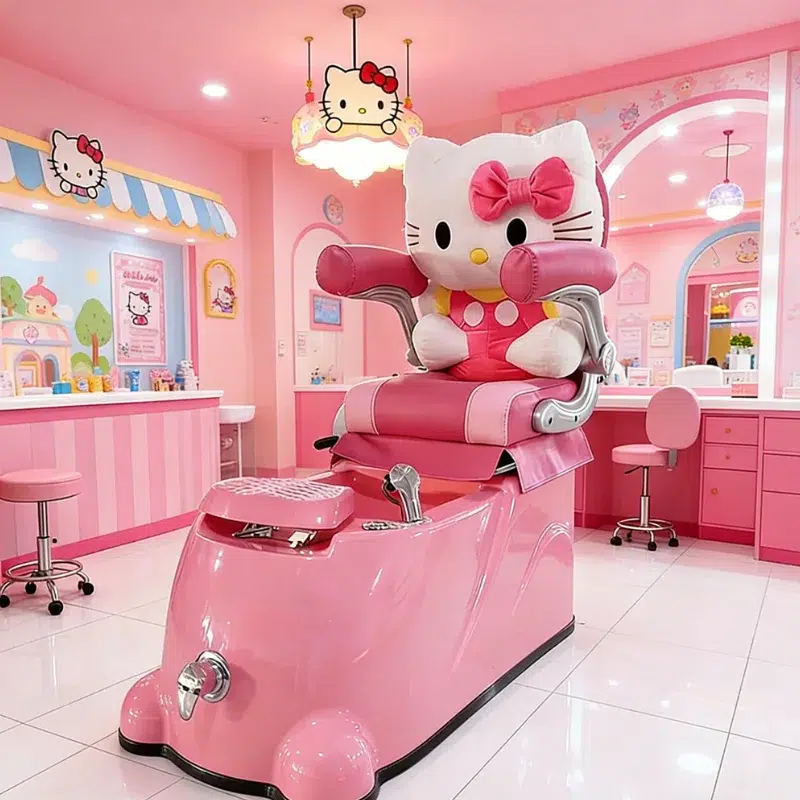
Pedicure services are often among the most profitable treatments in a nail salon. The pedicure chair sits at the center of that experience and influences how comfortable clients feel and how efficiently technicians can work.
Choosing the right chair requires more than comparing styles or prices. Salon owners must consider layout planning, sanitation requirements, technician workflow, durability, and long-term operating costs.
A well-chosen pedicure chair supports both client satisfaction and daily salon efficiency.
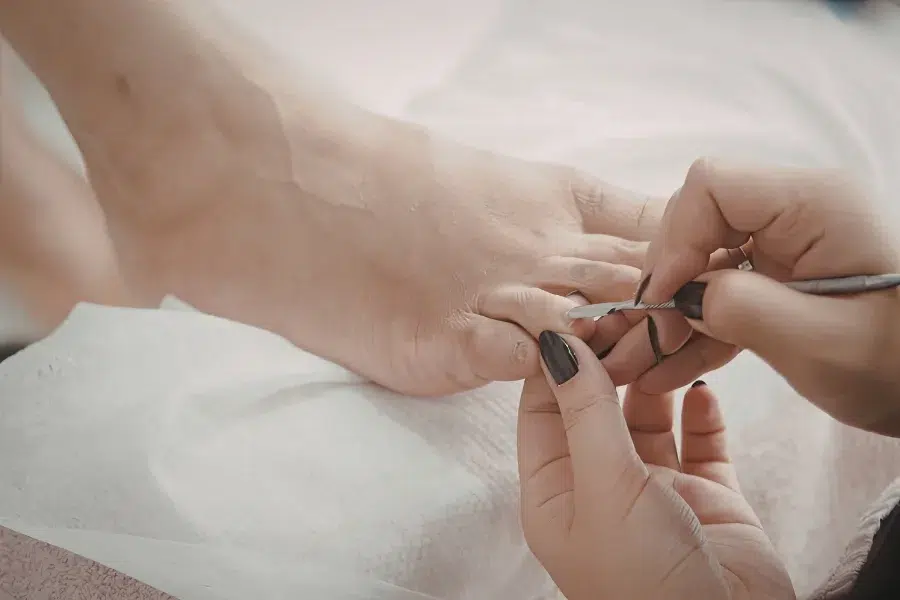
Plan Your Salon Layout First
Before evaluating features or designs, begin with your salon layout. Pedicure chairs are large pieces of equipment, and their placement affects the entire movement flow of the space.
Poor placement can create congestion and make it difficult for technicians to move between stations during busy hours.
When planning layout, consider:
- Chair dimensions when upright and fully reclined
- Technician clearance around the foot basin
- Walkway space for staff and clients
- Distance between pedicure stations
Most salons maintain 36–42 inches of walkway space behind pedicure chairs to ensure comfortable movement for technicians and customers.
It is also important to confirm that the chair can fully recline without hitting walls or cabinets. Planning layout carefully helps avoid costly adjustments later.
Manufacturers such as NovaBeauty often offer pedicure chair configurations designed to fit different salon layouts, which can simplify planning during renovations or new salon setups.
Understand Plumbing and Installation Options
Pedicure chairs generally fall into two installation categories. Understanding the difference helps salon owners choose equipment that works with their building and service model.
Pipeless Jet Systems
Pipeless pedicure chairs use magnetic or impeller technology to circulate water in the basin without internal plumbing pipes.
Advantages include:
- Easier cleaning and sanitation
- Reduced bacterial buildup
- Compliance with many health regulations
- A professional spa experience
Because these systems connect to water supply and drainage lines, installation typically requires plumbing access.
No-Plumb Pedicure Chairs
No-plumb or portable pedicure chairs use removable basins or vibrating footbaths. They do not require permanent plumbing connections.
These systems are commonly used in:
- Small nail studios
- Rental properties where plumbing modifications are restricted
- Mobile nail services
They provide flexibility and lower installation costs, though they may offer fewer spa-style water features.
Balance Client Comfort and Technician Working Comfort
Pedicure chairs should support both the client receiving the treatment and the technician performing the service.
Client Comfort
Pedicure services often last between 30 and 60 minutes. Seating comfort therefore plays a major role in the overall experience.
Important comfort elements include:
- High-density seat cushioning
- Adjustable reclining backrests
- Extendable leg supports
- Neck pillows or headrests
These features allow clients to remain relaxed throughout the treatment.
Ease of entry is another important detail. Some pedicure chairs rotate toward the client, making it easier for older customers or those with limited mobility to sit comfortably.
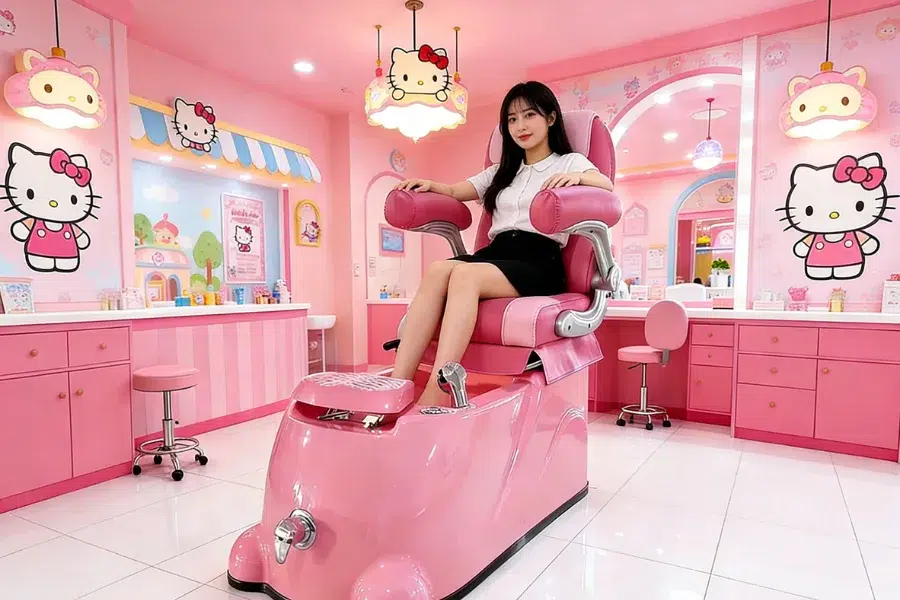
Technician Working Comfort
Technician ergonomics influence service speed and long-term health.
Technicians should have:
- Clear access to the client’s feet
- Comfortable working height
- Adequate legroom under the basin
Poor ergonomics can lead to fatigue, slower service times, and physical strain during long working hours.
Adjustable technician stools and well-positioned control panels can significantly improve workflow.
Choose a Pedicure Chair That Supports Easy Cleaning
Sanitation is a key operational requirement in nail salons. Equipment must allow technicians to clean and disinfect quickly between clients.
Several design features help support hygiene.
Pipeless jet systems reduce internal water buildup, making them easier to sanitize.
Acetone-resistant upholstery prevents chemical damage from nail products, while ceramic or acrylic basins resist staining and simplify cleaning routines.
Salons should also evaluate whether the basin design includes:
- Smooth surfaces without deep seams
- Accessible areas for cleaning tools
- Simple drainage and rinsing systems
Equipment that supports efficient sanitation helps salons maintain consistent hygiene standards throughout the day.
Pedicure Chair Features That Matter in Daily Salon Services
Many modern pedicure chairs include features designed to enhance relaxation and service quality.
Common features include:
- Massage systems with multiple modes
- Heated foot basins
- Adjustable seating positions
- LED basin lighting
- Remote control operation
Additional convenience features may include:
- USB charging ports
- Purse hooks or cup holders
- Technician trays or tool storage
A balanced pedicure chair should provide comfort features while maintaining durable motors, pumps, and structural components that can withstand continuous daily salon use.
Look for Durable Materials and Easy Maintenance
In many salons, pedicure chairs operate continuously for several hours each day, especially during peak periods and weekend appointments.
Durable construction helps prevent unexpected repairs and service interruptions.
Key durability factors include:
- Reinforced steel frames
- Wear-resistant upholstery
- Reliable massage motors
- Long-lasting pumps and jet systems
Salons should also confirm that replacement parts are readily available.
Working with manufacturers that provide technical support and spare components can help minimize downtime and maintain smooth operations.
Many salon furniture manufacturers, including NovaBeauty, design pedicure chairs with serviceable components that simplify maintenance and extend equipment lifespan.
Set a Budget That Matches Your Salon Services
Pedicure chairs are available across a wide price range. Choosing the right investment level depends on your salon’s service model and target clientele.
Most options fall into three general categories.
Entry-level chairs
- Basic seating and footbath
- Suitable for small studios or startup salons
Mid-range chairs
- Balanced comfort and durability
- The most common option for growing salons
Premium spa chairs
- Advanced massage features
- Luxury finishes and integrated technology
- Often used in high-end spa environments
Although lower-cost chairs may seem attractive, long-term durability and maintenance costs should also be considered.
Higher-quality pedicure chairs allow salons to position pedicure services as premium treatments, which can justify higher service pricing and increase long-term revenue per client.
Common Mistakes When Buying Pedicure Chairs
First-time buyers often encounter several common purchasing mistakes.
Choosing equipment based only on price
Low-cost chairs may lack durable components or reliable sanitation systems.
Ignoring safety certifications
Certified equipment helps ensure electrical safety and compliance with local regulations.
Overlooking space measurements
Chairs that do not fit the available layout can disrupt movement flow.
Focusing only on client comfort
Technician ergonomics are equally important for efficient service.
Neglecting supplier support
Manufacturers should provide warranties, spare parts, and technical assistance when needed.
Avoiding these mistakes helps protect the salon’s investment and ensures smoother daily operations.
Work With a Reliable Salon Equipment Supplier
Pedicure chairs are only one part of the salon environment. They must work alongside manicure tables, storage systems, and reception furniture to create an efficient workspace.
Working with experienced salon equipment suppliers can simplify planning and purchasing decisions.
Companies such as NovaBeauty provide a range of professional salon furniture including pedicure chairs, manicure tables, beauty beds, and reception stations designed for commercial environments.
Choosing suppliers that understand salon workflow and space planning can help owners create more practical and consistent salon interiors.
Conclusion
Pedicure chairs influence far more than the visual appearance of a nail salon. They affect client comfort during longer treatments, technician working posture, sanitation routines, and the overall efficiency of daily services.
When salon owners evaluate layout planning, plumbing requirements, ergonomics, and long-term durability together, the pedicure chair becomes a practical operational tool rather than just a piece of furniture.
Working with experienced salon equipment manufacturers such as NovaBeauty can also simplify this process, especially when salons require coordinated furniture solutions or customized configurations that align with their space and service model.
A carefully selected pedicure chair supports smoother workflows, more comfortable client experiences, and a salon environment that operates reliably day after day.