
Opening a medical spa requires more than purchasing advanced devices. A structured equipment plan ensures safe operations, efficient workflow, and predictable financial performance.
This guide outlines essential medical spa equipment, room planning considerations, purchasing priorities, and maintenance practices. The goal is not just to list devices, but to help you make disciplined, space-aware decisions.
Why a Structured Equipment Plan Prevents Costly Mistakes
Medical spas operate under regulatory, electrical, and clinical constraints. Equipment decisions affect:
- Treatment safety
- Staff efficiency
- Room turnover time
- Power load management
- Long-term replacement cycles
A written equipment plan prevents overinvestment in high-cost laser systems while foundational infrastructure remains underdeveloped.
In early-stage med spas, misallocated capital often leads to underutilized devices and workflow bottlenecks.
Treatment Room Essentials Every Med Spa Needs First
Before investing in revenue-driving devices, establish stable treatment room infrastructure.
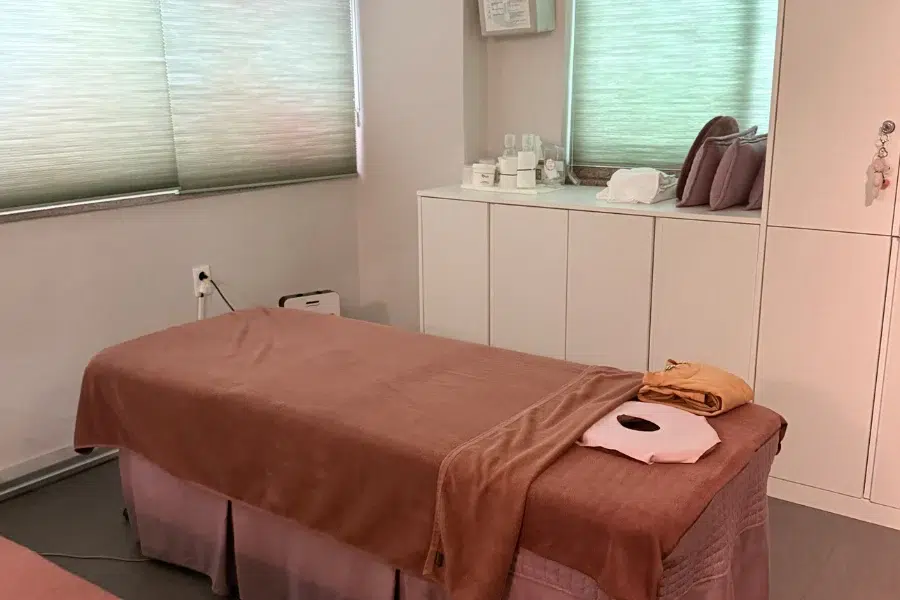
A standard single treatment room should allocate 100–120 sq ft minimum, allowing safe movement around equipment and adequate storage.
Maintain at least 24–30 inches of clearance around treatment beds to support safe practitioner access.
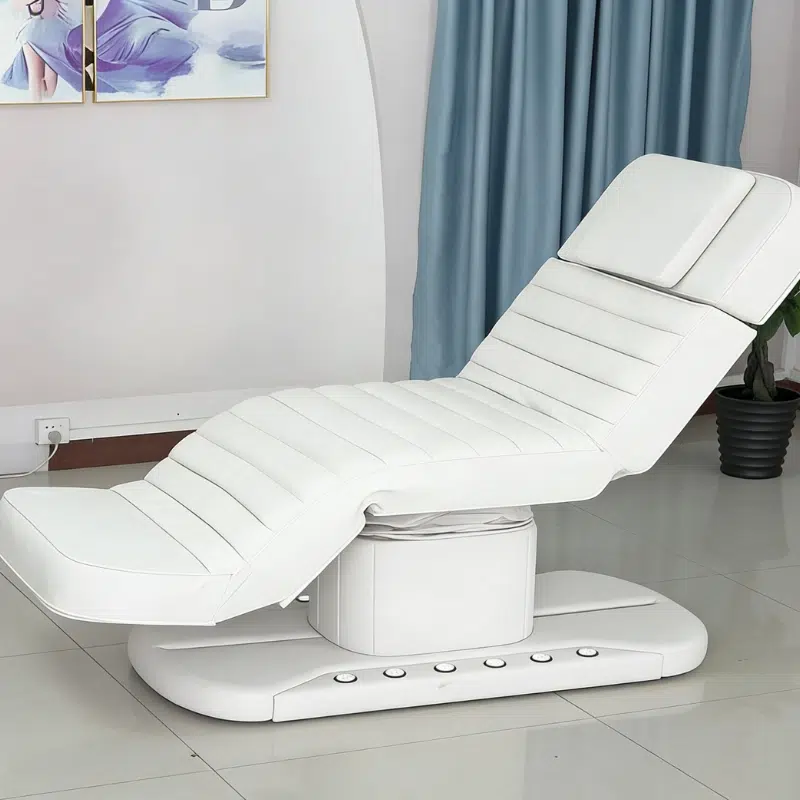
Commercial Treatment Beds and Adjustable Chairs
Treatment beds form the operational core of most services.
Select models with:
- Electric height adjustment
- Multi-angle back and leg positioning
- Reinforced steel frame construction
- Medical-grade upholstery
- Minimum 350–450 lb load capacity
Durability reduces replacement frequency in high-volume clinics.
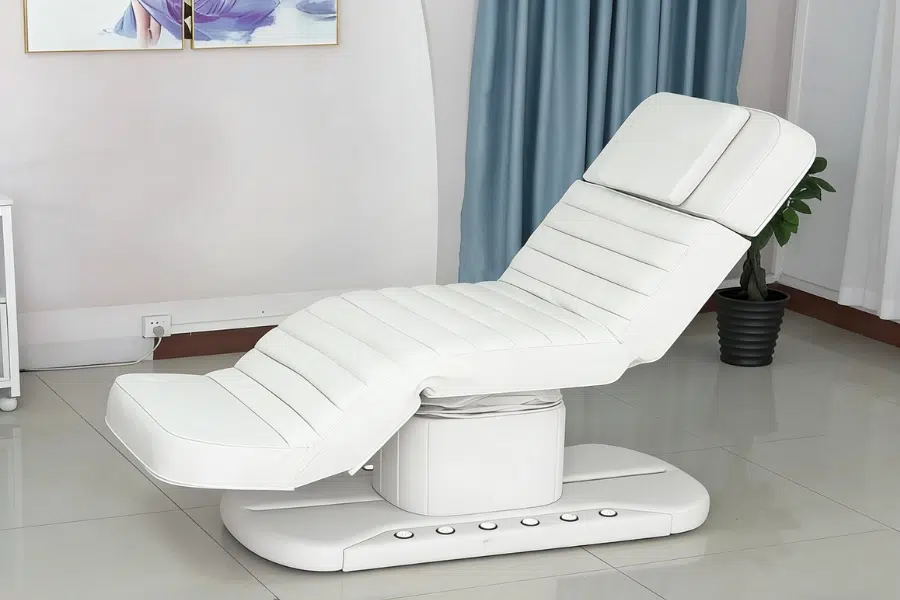
Commercial-grade manufacturers such as NovaBeauty engineer treatment beds specifically for repeated daily use in professional environments, with reinforced frames and easy-clean materials designed for clinical settings.
Lighting That Supports Precision Treatments
Lighting directly affects treatment accuracy.
Include:
- LED magnifying lamps
- Adjustable task lighting
- Focused procedure lighting for injectables
Proper illumination reduces operator fatigue and improves procedural precision.
Sterilization Equipment Required for Compliance
Every med spa must implement documented infection control protocols.
Minimum equipment includes:
- Autoclaves for instrument sterilization
- UV storage cabinets
- Ultrasonic cleaning units
Placement should allow a clear separation between clean and contaminated zones.
Storage Solutions That Improve Workflow
Efficient storage reduces appointment transition time.
Essential items include:
- Mobile treatment carts
- Lockable cabinets
- Integrated drawer systems
- Reception desks with concealed storage
Organized storage improves workflow and reduces cross-contamination risk.
Revenue-Driving Laser and Light Devices
Laser and light systems represent major capital investments. Room planning and electrical capacity must be evaluated before purchase.
High-energy devices often require dedicated 220V circuits and proper ventilation. Confirm building infrastructure before committing.
Laser Hair Removal Systems
Laser hair removal typically delivers stable recurring revenue.
Evaluate:
- Cooling technology
- Pulse stability
- Skin-type compatibility
A dedicated laser room should allocate 120–150 sq ft to allow safe maneuvering of the device and proper patient positioning.
Tattoo and Pigmentation Removal Lasers
Q-switched or picosecond lasers treat pigmentation and tattoos.
Verify:
- Energy calibration accuracy
- Service availability
- Replacement component access
Improper calibration directly affects treatment consistency.
IPL Systems for Multi-Treatment Services
IPL platforms support multiple treatment types, including vascular and pigmentation services.
They are often selected for versatility when space and budget are limited.
Fractional Resurfacing Devices
Fractional CO2 or erbium systems require:
- Ventilation planning
- Protective eyewear protocols
- Staff certification
Room airflow management should be addressed before installation.

LED Therapy Systems for Adjunct Treatments
LED panels require minimal space and electrical load.
They are commonly used as add-on treatments to increase per-session revenue without expanding room footprint.
Facial Equipment for Daily Service Revenue
Facial treatments provide consistent appointment volume and support repeat visits.
Allocate at least 90–110 sq ft per facial room to allow for equipment and practitioner mobility.
Microdermabrasion and Hydradermabrasion Systems
These systems improve:
- Surface exfoliation
- Treatment layering
- Product penetration
Hydradermabrasion units require water supply access and proper drainage planning.
RF and Microneedling Devices
Combination systems save space compared to multiple single-function devices.
Confirm handpiece replacement cycles and consumable costs before purchase.
High-Frequency and Ultrasonic Devices
These tools are low-cost additions that expand service options without increasing electrical demand significantly.
Body Contouring Equipment That Expands Service Menu
Non-surgical body treatments require more floor space than facial services.
Plan at least 140–180 sq ft per body contouring room to accommodate larger platforms safely.
Cryolipolysis and Fat Freezing Systems
Confirm:
- Electrical load
- Cooling system maintenance requirements
- Room ventilation
Fat freezing systems often require reinforced electrical capacity.
RF and Ultrasound Body Devices
These devices generate heat and require sufficient airflow.
Avoid placing them in confined rooms without ventilation.
EMS Muscle Toning Machines
EMS systems draw higher electrical load during operation.
Verify building power supply before installation.
Equipment Required for Injectable Services
Injectable procedures demand controlled environments.
Allocate:
- Proper task lighting
- Lockable medication storage
- Sharps disposal systems
Adjustable Injection Chairs
Chairs should allow stable semi-reclined positioning and practitioner access from multiple angles.
PRP Centrifuge Systems
Ensure placement on vibration-stable surfaces and maintain sterile workflow separation.
Electronic Injection Devices
Controlled dosing improves precision but requires staff training and maintenance logs.
Operational and Safety Equipment You Cannot Overlook
Administrative systems stabilize long-term operations.
Practice Management Software
Integrated platforms support:
- Appointment flow
- Medical record documentation
- Revenue tracking
Accurate documentation protects the business legally.
Safety Equipment
Essential safety components include:
- Laser protective eyewear
- First aid kits
- Fire extinguishers
- Emergency lighting
Safety equipment placement should comply with local building codes.
How to Evaluate Medical Spa Equipment Before Buying
Equipment evaluation should follow structured financial and operational criteria.
Regulatory Compliance
Request documented FDA clearance or CE certification.
Do not rely on marketing claims alone.
Investment Priority Planning
For new med spas, prioritize:
- Treatment beds and sterilization systems
- One primary revenue-generating laser
- Facial treatment devices
- Expansion equipment
This staged approach controls capital exposure.
Return on Investment
Calculate:
- Device purchase cost
- Consumables
- Average session price
- Monthly capacity
Break-even timelines should be realistic and documented.
Space and Electrical Capacity
Measure:
- Room dimensions
- Doorway width for delivery
- Voltage requirements
- Circuit availability
Ignoring electrical constraints leads to costly retrofitting.
Warranty and Service Infrastructure
Evaluate response times and local technician availability.
Downtime directly reduces revenue.
Maintenance Practices That Protect Your Investment
Maintenance planning should be written and scheduled.
Daily Cleaning Protocols
Disinfect all contact surfaces after each use.
Clean laser lenses and handpieces according to manufacturer guidelines.
Scheduled Calibration
Energy-based devices require periodic output verification to maintain clinical consistency.
Consumable Replacement
Track filters, tips, cooling fluids, and lamp components with a written schedule.
Professional Servicing
Schedule comprehensive inspection every six to twelve months.
Maintain detailed service logs for compliance documentation.
Final Thoughts on Building a Sustainable Med Spa Setup
A medical spa succeeds when infrastructure, equipment selection, and operational planning are aligned.
Prioritize foundational treatment room design before expanding into advanced technology. Match device investment to verified demand and documented financial projections.
When evaluating commercial treatment beds, spa chairs, or reception furniture, manufacturers such as NovaBeauty offer reinforced commercial-grade solutions engineered for high-frequency professional use.
Structured planning today reduces operational risk and supports sustainable long-term growth.