
Why the Right Tools Define a Barbershop’s Performance
In a working barbershop, tools are not accessories. They are the foundation of service quality, workflow efficiency, and client trust. Every cut, shave, and detail reflects how well equipment performs under repeated, daily use.
From a commercial equipment perspective, the difference between average tools and professional-grade tools becomes visible quickly. Precision improves, service time shortens, hygiene standards are easier to maintain, and physical strain on barbers is reduced over long shifts.
Whether you are opening a new barbershop or upgrading an existing one, tool selection should be treated as an operational decision that supports consistency and long-term performance.
The 13 Essential Supplies Every Barbershop Should Plan For
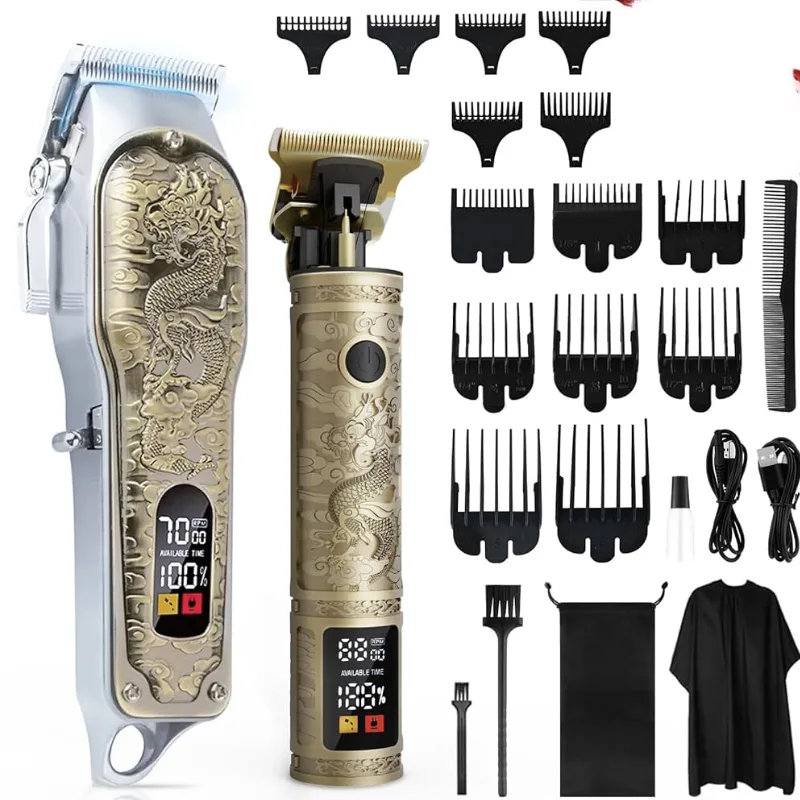
1. Clippers
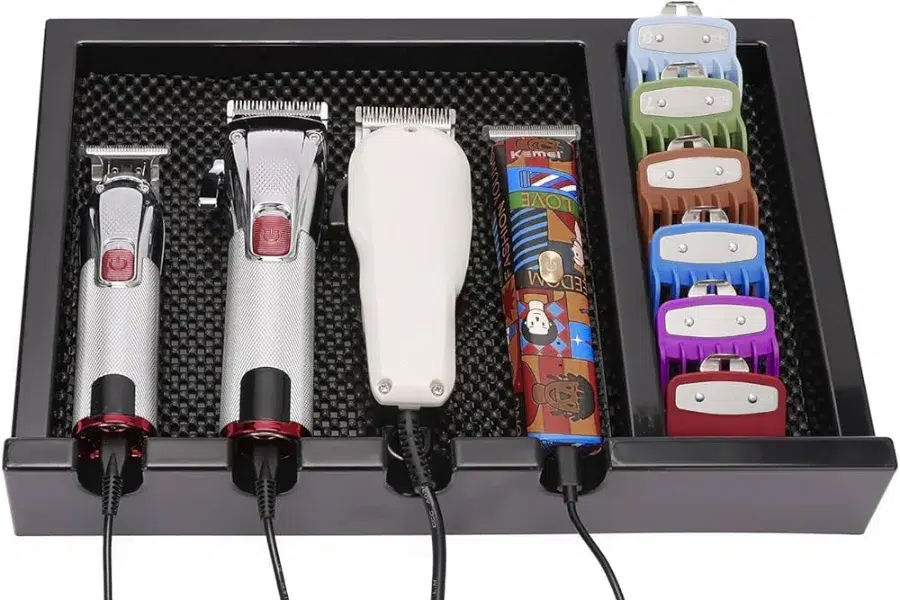
Clippers handle bulk cutting, fades, and blending. They are the most frequently used tools in any barbershop.
When selecting clippers, prioritize strong motors and adjustable blades. Corded models support continuous, heavy-duty use, while cordless options improve flexibility for detailed work. Multi-guard kits help maintain consistent length control across different styles.
Typical pricing ranges from $40 to $200. Blades should be cleaned daily, oiled regularly, and disinfected after every client.
2. Trimmers
Trimmers are used for detailing, edging, dry shaving, and shaping necklines and sideburns.
T-blades support crisp outlines, while narrow blades allow for precise design work. Many barbershops benefit from keeping both corded and cordless trimmers available to match different service needs.
Expect to spend between $40 and $100. Keeping blades clean and sharp is essential for maintaining line accuracy.
3. Shears and Thinning Shears for Precision and Texture Control
Shears provide clean cutting control, while thinning shears manage bulk and texture.
Stainless steel construction improves durability and balance. Lengths between 5.5 and 7 inches suit most cutting techniques. Testing shears in person helps prevent long-term hand fatigue.
Prices range from $10 to $600, with professional-grade tools typically exceeding $100. Regular professional sharpening helps preserve cutting performance.
4. Straight and Safety Razors for Shaving and Line Work
Razors support close shaves, beard shaping, and clean edge definition.
Straight razors require training but deliver traditional results. Safety razors offer more controlled handling and are often preferred for sensitive skin. Easy blade replacement is important for maintaining hygiene.
Most options fall between $50 and $200. Blades should be replaced frequently and sanitized after each service.
5. Combs and Brushes
Combs and brushes support sectioning, styling, and blow-drying throughout the service process.
A complete setup includes wide-tooth, fine-tooth, and tail combs, along with cutting brushes, round brushes, and vent brushes. Tool selection should reflect hair texture and service type.
Individual items typically cost $10 to $100. Routine disinfection helps maintain hygiene and longevity.
6. Capes
Capes protect clients from hair, water, and styling products during services.
Waterproof nylon or polyester materials are easy to clean and dry quickly. Keeping multiple sizes improves coverage and client comfort.
Prices usually range from $5 to $30. Capes should be washed and sanitized after every use.
7. Towels and Towel Warmers
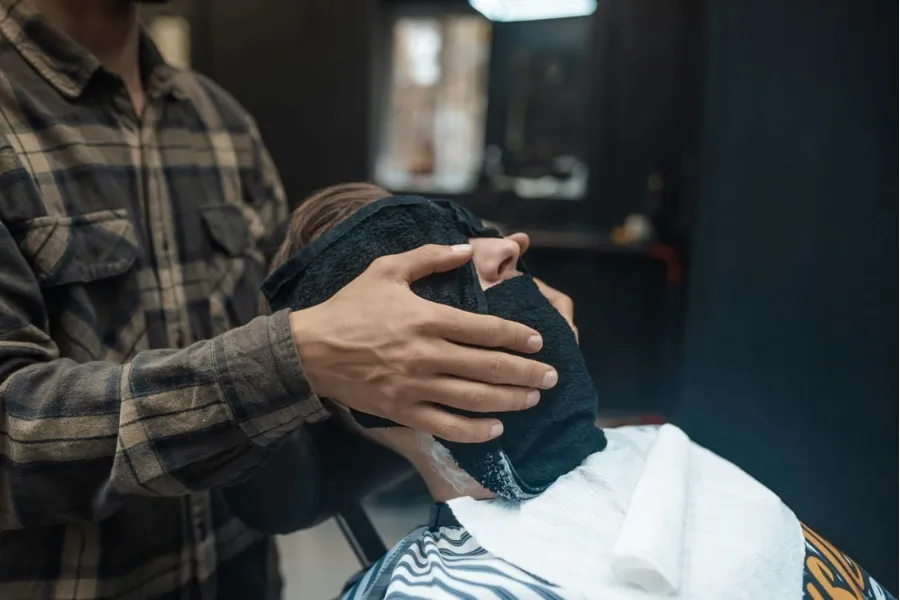
Towels support cleaning, drying, and shaving services, while hot towels soften hair and prepare skin.
Choose absorbent towels designed for frequent washing. Towel warmers improve comfort and may include UV sanitation features.
Towel sets typically cost $10 to $40, while towel warmers range from $180 to $655. Daily cleaning and dry storage are essential.
8. Duster Brushes
Duster brushes remove loose hair from the neck and shoulders at the end of services.
Soft bristles reduce skin irritation, and models with stands support cleaner storage. Most duster brushes cost around $12 and should be cleaned frequently to prevent buildup.
9. Mirrors
Mirrors allow clients to view results and help barbers maintain visual accuracy.
Each station should include a large wall mirror, while handheld mirrors assist with showing back and side views. Adequate lighting improves both visibility and spatial perception.
Pricing varies based on size and quality. Daily cleaning helps preserve clarity and appearance.
10. Disinfectants and Sanitizers
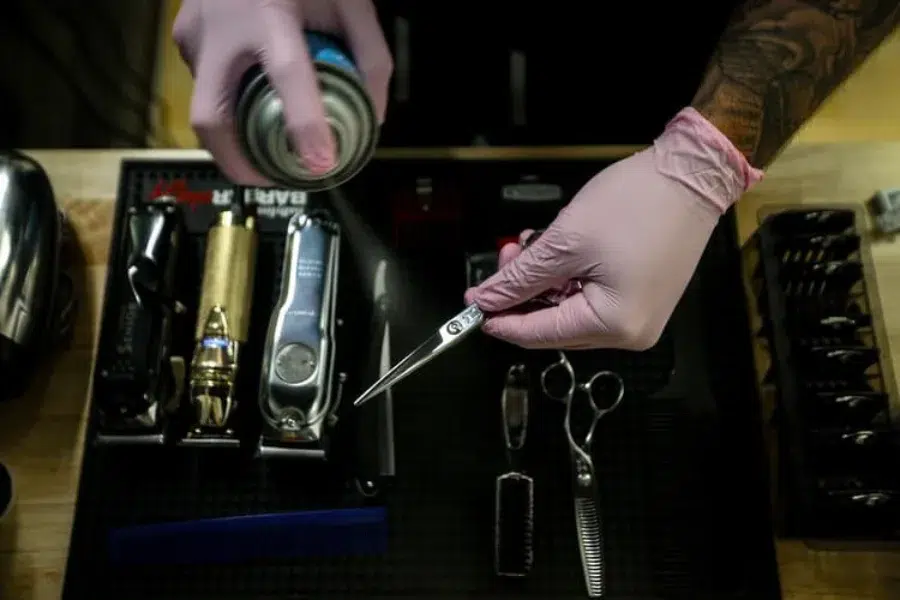
Sanitation prevents cross-contamination and supports regulatory compliance.
Professional-grade disinfectants, UV sanitizers, jars, and sprays are standard in commercial barbershops. Costs generally range from $25 to $250.
Tools should be disinfected after every service, with routine deep cleaning scheduled daily.
11. Neck Strips
Neck strips create a hygienic barrier between the client’s skin and the cape.
Disposable, soft materials improve comfort, while dispensers streamline workflow. Neck strips are low-cost items and are best purchased in bulk.
12. Hair and Beard Care Products
Styling and grooming products complete the service and support retail opportunities.
Common products include pomades, gels, waxes, beard oils, balms, shampoo, and conditioner. Selection should align with your clientele and service offerings.
Pricing varies widely. Products should be monitored for expiration and kept clean.
13. Barber Chairs and Workstations That Support Long Working Hours
Chairs and workstations directly affect client comfort and barber efficiency.
From a commercial equipment standpoint, height adjustment, recline range, and base stability matter more in daily operation than appearance alone. Workstations should provide organized storage and accessible power to support smooth workflow.
Pricing varies widely depending on materials and features. Regular inspection of adjustment mechanisms helps maintain safety and performance.
Where Barbershops Typically Source Tools and Equipment
Local supply stores allow hands-on testing and informed guidance. Online retailers support price comparison and delivery convenience. Wholesalers are suited for bulk purchasing and long-term cost control. Secondhand platforms can offer value, but inspection is essential.
From an industry supply perspective, many commercial buyers prefer working with manufacturers focused on professional-use equipment rather than consumer-grade products. Companies such as Nova operate in this space by supporting barbershops with commercial furniture and equipment designed for repeated daily use, customization, and long service life.
Tool Maintenance and Hygiene Management
Tools should be disinfected after every client. Routine blade lubrication and shear sharpening help maintain performance. Organized, dry storage prevents damage, while consistent adherence to local health regulations builds client trust and operational reliability.
Practical Add-Ons That Improve Client Experience Over Time
Towel warmers enhance shaving services. Comfortable waiting areas improve first impressions. Traditional barber poles strengthen visual recognition. Online booking systems reduce scheduling friction, and visual portfolios help attract new clients over time.
FAQ
What barber supplies are essential for beginners?
For beginners, priority should be given to tools used in every service. This includes reliable clippers, trimmers, a basic set of combs, capes, and proper disinfectants. Starting with core tools ensures consistent service delivery. Additional equipment and experience upgrades can be added gradually as services and client demand grow.
How can you assess clipper quality before buying?
Clipper quality is best evaluated through motor performance, blade material, and long-term reliability. Strong motors handle repeated use without pulling hair, while high-quality blades maintain sharpness. Grip comfort and balance matter during long shifts, and feedback from working barbers often reveals durability issues over time.
How often should barber tools be disinfected?
Barber tools should be disinfected after every client to prevent cross-contamination. Clippers, trimmers, combs, and razors require immediate sanitation, while deeper cleaning should be performed at the end of each workday. Consistent hygiene practices protect both clients and staff and support professional health standards.
Is a professional barber chair really necessary?
Yes. A professional barber chair supports proper posture, stable positioning, and smooth height adjustment during services. This improves client comfort while reducing physical strain on barbers over long working hours. In commercial environments, durable chairs also withstand daily use better than consumer-grade seating.
How can barbers increase long-term income sustainably?
Sustainable income growth is typically linked to efficiency, consistency, and service quality. Reliable tools reduce service time and rework, while organized workstations improve workflow. Over time, these factors support repeat clients, better scheduling, and steady revenue growth without relying on overbooking or burnout.
Next Steps to Consider
Before purchasing or upgrading equipment, define priority tools that affect daily service consistency first. Break budgets into phases, separating essential tools from experience upgrades. Plan equipment upgrades over time so investment aligns with business growth and service expansion, reducing decision fatigue and supporting sustainable improvement.
Related Products for Your Salon Business
Browse our professional-grade salon equipment and furniture at factory-direct wholesale prices: