
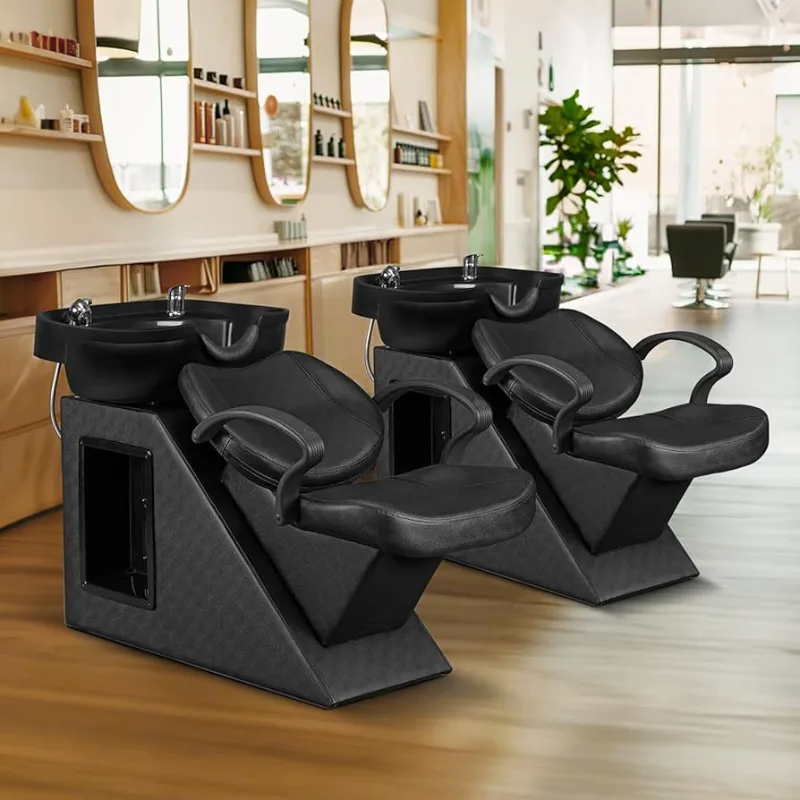
Why Choosing the Right Shampoo System Matters
A salon shampoo system is not a decorative fixture. It is one of the most frequently used workstations in the entire space. The right choice improves client comfort, protects stylist health, and reduces long-term maintenance costs. The wrong one creates daily friction that quietly undermines service quality and staff efficiency.
This guide is designed to help salon owners and decision-makers make a clear, confident choice. It focuses on how shampoo systems perform in real salon environments, not how they look in catalogs.
Understanding Shampoo System Types Before You Buy
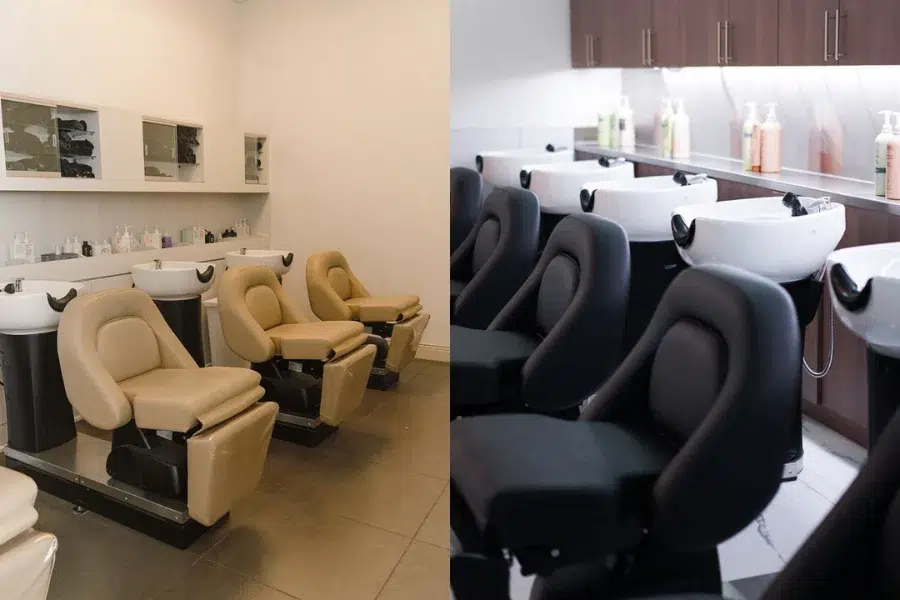
Before comparing features or finishes, identify the system type that fits your space and workflow. This single step eliminates many unsuitable options early.
All-in-One Shampoo Systems
Integrated units where the chair and shampoo bowl function as one workstation. These are commonly used as backwash or sidewash units. Salons choose them for their consistent layout, stable reclining support, and integrated controls that simplify daily operation. They are best suited for modern salons that value efficiency and predictable workflow.
Pedestal Sinks With Separate Shampoo Chairs
This setup pairs a freestanding pedestal or cabinet-mounted shampoo sink with a movable shampoo chair. It offers greater layout flexibility, easier wheelchair access, and the ability to upgrade components independently. This approach works well in small salons, private suites, or spaces where adaptability matters more than uniform appearance.
Wet Stations for Barbershops and Integrated Work Areas
Wet stations combine a shampoo bowl, cabinetry, countertop, mirror, and sometimes retail shelving into one unit. They support highly integrated service flow and provide built-in storage that reduces clutter. These systems are most common in barbershops and grooming-focused environments.
Backwash vs Sidewash – A Key Layout Decision
This choice determines where the stylist stands during shampooing and how plumbing is routed. The decision should be based on stylist movement patterns and space layout. Some systems support both configurations, while others do not. Plumbing access points must be confirmed in advance, as they are not interchangeable and costly to modify later.
Designing for Client Comfort and Stylist Health
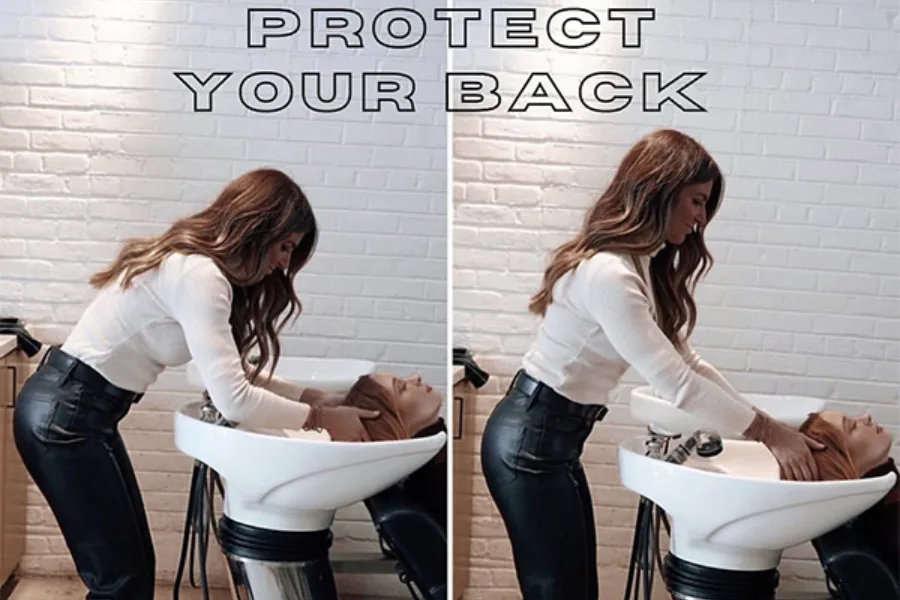
If you only focus on one thing in this section, focus on ergonomics. Most long-term dissatisfaction with shampoo systems comes from neck strain, awkward posture, or staff fatigue rather than appearance.
What Makes a Shampoo Station Comfortable for Clients
Adjustable tilting bowls are essential for accommodating different heights and neck lengths. Fixed bowls often force uncomfortable angles during longer services. Soft silicone gel neck rests distribute pressure evenly and reduce tension, which is especially important in high-volume salons.
Seat construction matters as well. High-density foam maintains support over time, while ergonomic backrests reduce lower back strain. Armrest style affects both comfort and ease of cleaning. Integrated leg rests shift the experience from seated to fully relaxed, while separate ottomans provide a practical upgrade for fixed-position chairs.
Protecting Stylists While Improving Daily Workflow
Floating shroud designs create foot clearance that allows stylists to stand closer without bending forward, reducing back and shoulder strain. Bowl height also plays a role. Fixed bowls often suit shorter stylists, while tilting bowls typically benefit taller teams.
Control systems influence efficiency. Manual levers are reliable and cost-effective, electric or foot-pedal controls reduce repetitive motion, and auto-recline systems simplify client positioning. In salons with frequent shampoo turnover, small ergonomic improvements accumulate quickly.
Materials That Hold Up to Daily Salon Use
If you only focus on one thing here, focus on surfaces that encounter water, dye, and chemicals every day. These materials determine how the system performs years later.
Choosing the Right Shampoo Bowl Material
For salons that perform regular color services, bowl material matters more than design. Ceramic or porcelain bowls resist staining, scratches, and chemical damage while remaining easy to clean. Plastic or ABS bowls cost less upfront but are more likely to discolor or wear over time. For most professional salons, ceramic bowls offer better long-term value.
Chair Upholstery and Structural Build Quality
Commercial-grade vinyl is essential. It must resist moisture, dye, and frequent cleaning without cracking or delaminating. Frames should use stainless steel, powder-coated metal, or reinforced composites. Recline mechanisms and hydraulics must withstand daily adjustment without loosening, which is where lower-quality systems often fail first.
Stain Prevention and Daily Care
Clean dye spills immediately using warm water mixed with white vinegar. Use protective chair covers during color services. Clean daily with non-abrasive vinyl-safe products and avoid harsh chemicals that degrade upholstery over time.
Space Planning and Installation Mistakes to Avoid
Space and Layout Rules That Actually Work
Allow a minimum of 32 inches between shampoo chairs, with 42 inches preferred for privacy and movement. Provide at least 24 inches of working space behind the bowl and 24 inches of clearance in front for client entry and leg support. Overcrowded shampoo areas often slow service more than they save space.
Why Professional Installation Is Not Optional
Licensed plumber installation is required to meet local codes, preserve manufacturer warranties, and prevent leaks or backflow issues. Before installation, confirm plumbing access points, vacuum breaker requirements, and whether a discharge pump is needed. Once plumbing is fixed, changes become expensive.
Budgeting for the Right System Without Overpaying
Entry-level systems between $800 and $2,000 cover core functionality and suit startups or secondary stations. Mid-range systems from $2,000 to $6,000 offer the best balance of comfort, durability, and ergonomics. Premium systems above $6,000 include electric controls, massage features, and refined finishes that support high-end branding and specialized services.
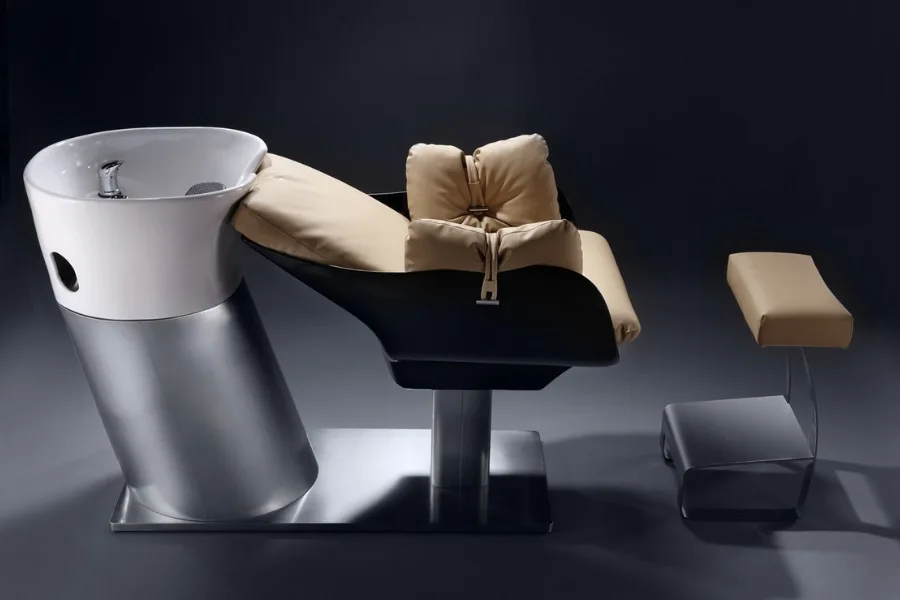
Accessories that improve daily use include upgraded gel neck rests, water-efficient spray heads, anti-slip shampoo mats, booster cushions, and mobile carts for supplies. Warranty terms and supplier reliability should be reviewed carefully. Manufacturers such as Nova often support OEM and customization options for salons planning multiple stations, though functional fit should always guide final selection.
FAQ
Should I choose a freestanding or wall-mounted shampoo system?
Freestanding systems offer greater flexibility, stability, and easier installation, making them ideal for rented spaces. Wall-mounted systems save floor space and create a clean, built-in look, but require wall plumbing, structural support, and limited repositioning once installed.
How can I accommodate larger clients or those with limited mobility?
Choose wider seats or armless designs to improve comfort for larger clients. For wheelchair users, a pedestal sink paired with a removable shampoo chair provides the most accessible setup and allows stylists to adjust positioning without forced transfers.
What does daily cleaning and maintenance involve?
Rinse the shampoo bowl after each use, remove hair from traps weekly, and wipe vinyl surfaces with mild, non-abrasive cleaners. Periodically check fasteners, hoses, and fittings to prevent loosening, leaks, or drainage issues over time.
What are the most common purchasing mistakes?
Common mistakes include prioritizing appearance over ergonomics, failing to measure space accurately, and overlooking plumbing requirements. These errors often lead to staff discomfort, installation delays, or costly modifications after equipment is installed.
Which component is most worth investing in?
The shampoo bowl itself is the most critical investment. A high-quality, tilting ceramic bowl with a supportive gel neck rest directly affects client comfort, stylist posture, and long-term durability more than any other component.
What are the different types of shampoo bowls?
Shampoo bowls generally fall into ceramic or plastic categories. Ceramic bowls resist staining, scratches, and chemical damage better over time, while plastic bowls cost less upfront but may discolor or wear faster in high-volume salon environments.
Related Products for Your Salon Business
Browse our professional-grade salon equipment and furniture at factory-direct wholesale prices: