Cleanliness is one of the first things clients notice when they walk into a nail salon. A clean environment signals professionalism, care, and attention to detail.
For salon owners and managers, sanitation is not only about appearance. It protects clients from infection risks, supports employee health, and helps the salon meet inspection requirements.
This practical sanitation checklist outlines the routines nail salons should follow throughout the day. From opening preparation to closing procedures, these steps help maintain a safe and well-organized salon environment.
Cleaning vs Disinfection vs Sterilization in Nail Salons
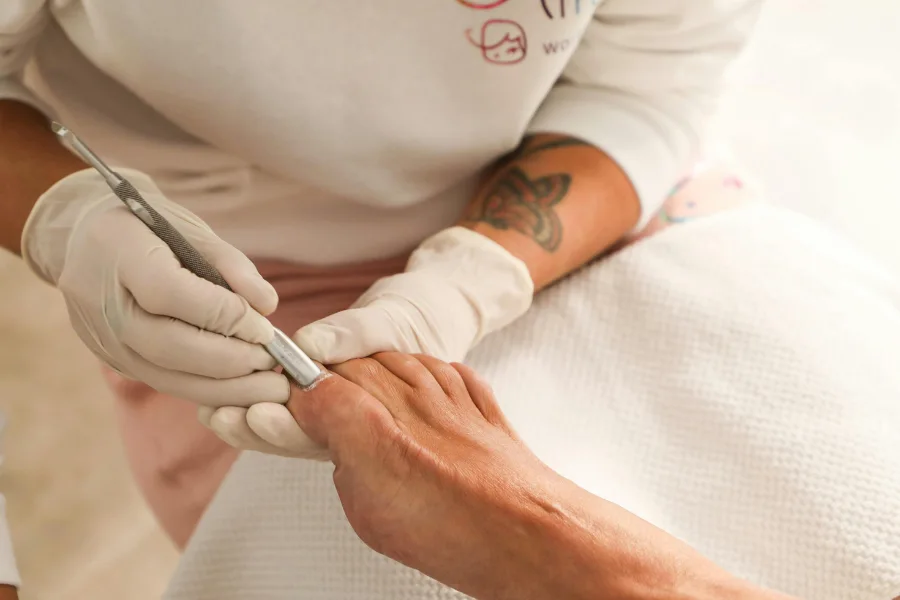
Effective sanitation starts with understanding the difference between cleaning, disinfecting, and sterilizing. Each step plays a different role in maintaining hygiene standards.
Cleaning
Cleaning removes visible debris, dust, and organic material from tools and surfaces. This process typically involves water combined with soap or detergent.
Cleaning alone does not eliminate bacteria or viruses. However, it is essential because disinfectants cannot work effectively on dirty surfaces.
Disinfection
Disinfection uses chemical solutions to destroy most microorganisms on tools and surfaces. In nail salons, EPA-registered disinfectants are commonly required.
Most disinfectants must remain on the surface for at least 10 minutes to achieve full effectiveness.
Sterilization
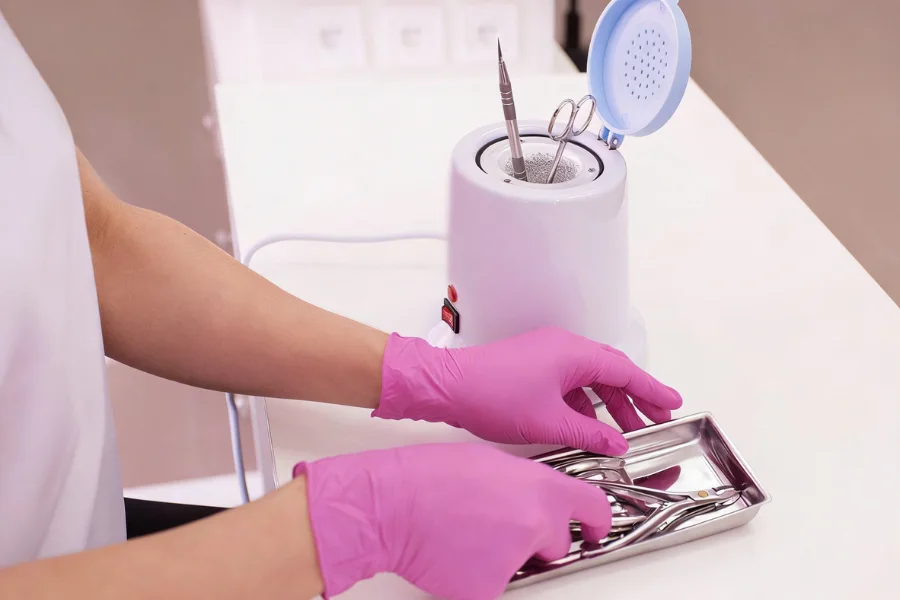
Sterilization removes all microorganisms, including spores. This level of sanitation is usually applied to reusable metal tools.
Autoclaves or UV sterilizers are commonly used to reach this level of sanitation.
Opening Your Salon – Essential Cleaning Tasks
Preparing the salon before opening helps ensure a smooth and hygienic workday.
Before the first client arrives, complete the following tasks:
- Ensure disinfectants, gloves, wipes, and hand sanitizers are fully stocked so technicians can clean tools immediately when needed
- Prepare hand sanitizing stations near the entrance and service areas to encourage both clients and staff to sanitize hands
- Set out sterilized tool kits in sealed containers or pouches to keep clean tools separated from used ones
- Place fresh towels and linens at each workstation to create a clean service environment
- Load additional towels into towel warmers if used so replacements are always ready during busy periods
- Inspect manicure tables and pedicure chairs for visible debris or residue
- Sweep or mop floors if needed to remove dust and nail clippings
- Organize the reception and waiting area to present a clean first impression
Starting the day with a prepared workspace reduces cleaning pressure during busy hours and helps technicians maintain consistent hygiene standards.
Cleaning Steps to Follow Between Every Client
The most critical sanitation routine occurs between client appointments. Consistent cleaning between services prevents bacteria from transferring between clients.
Between every client:
- Wash hands or apply alcohol-based sanitizer to reduce the transfer of bacteria between services
- Replace disposable gloves to prevent contamination from spreading between clients
- Dispose of single-use items such as nail files and buffers because porous tools cannot be safely disinfected
- Replace used towels or table coverings to maintain a clean service surface
- Disinfect manicure tables and work surfaces so each client begins with a sanitized workstation
- Clean UV or LED nail lamps since clients frequently touch these surfaces during treatments
- Wipe armrests and chair surfaces to remove skin contact residue and dust
- Place used metal tools into a designated container for disinfection to separate them from sanitized equipment
Maintaining a consistent cleaning routine between clients helps salons avoid cross-contamination and maintain professional hygiene standards.
Daily Cleaning Tasks to Keep Your Salon Fresh
Some sanitation tasks should be repeated throughout the day to keep the entire salon environment clean.
Recommended daily routines include:
- Empty trash bins regularly to prevent debris from accumulating in service areas
- Disinfect door handles, switches, and shared surfaces that clients and technicians touch frequently
- Sweep visible debris such as nail clippings from the floor
- Wipe reception counters and waiting area furniture to maintain a professional appearance
- Check restroom cleanliness and refill soap or paper supplies
- Sanitize break room surfaces used by employees
These small tasks help maintain a clean atmosphere even during peak service hours.
Closing Your Salon – End of Day Cleaning Checklist
Closing procedures prepare the salon for the next day and prevent bacteria from accumulating overnight.
End-of-day tasks should include:
- Deep cleaning pedicure basins to remove residue and bacteria from water circulation systems
- Washing towels and linens with hot water and antibacterial detergent
- Disinfecting manicure tables, pedicure chairs, and workstations
- Cleaning polish display shelves and product storage areas
- Sweeping and mopping floors to remove dust and nail debris
- Wiping reception desks and waiting area furniture
- Disinfecting door handles, switches, and faucets
- Emptying trash containers and replacing liners
Completing these tasks each evening helps the salon start the next day with a clean and organized environment.
Pedicure Basin Cleaning Standards for Nail Salons
Pedicure basins require careful sanitation because warm water environments can encourage bacterial growth. Proper cleaning routines protect both clients and technicians while preventing bacteria from developing inside the system.
In busy salons, pedicure stations should also provide enough space around the basin so technicians can clean surfaces easily without blocking nearby workstations. Good station spacing improves cleaning efficiency and supports better workflow during busy hours.
Whirlpool Basins
For basins with pipes or jets:
1 Drain water and remove visible debris
2 Rinse the basin with clean water
3 Fill with water and hospital-grade disinfectant
4 Circulate the solution for at least 10 minutes
5 Drain and rinse again
6 Dry with a clean towel
Pipeless Basins
For basins without internal pipes:
1 Drain water and remove detachable components
2 Clean and disinfect removable parts separately
3 Scrub the basin interior with detergent
4 Reassemble and circulate disinfectant solution for 10 minutes
5 Rinse thoroughly and dry
Maintaining this routine helps prevent bacteria from developing inside the basin system.
How to Clean and Disinfect Nail Tools Properly
Reusable nail tools require a structured sanitation process after every client.
Recommended steps include:
1 Wash tools with soap and water to remove visible debris
2 Dry tools with a clean towel
3 Soak tools in EPA-registered disinfectant for at least 10 minutes
4 Rinse and dry tools again
5 Store tools in sealed, sanitized containers
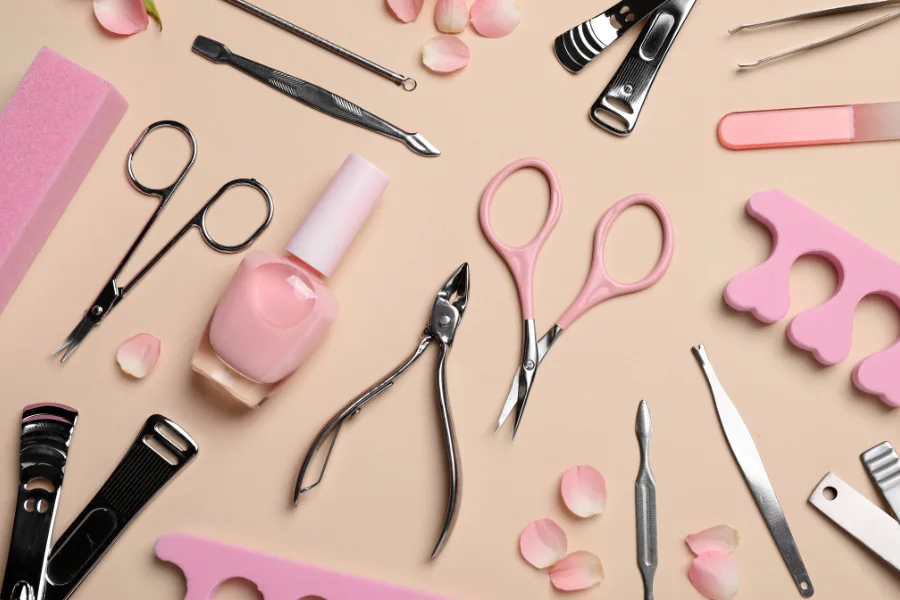
Tools that require frequent sanitation include nail clippers, cuticle pushers, tweezers, drill bits, and nail brushes.
Some salons choose to sterilize tools using autoclaves or UV sterilizers for additional protection.
Safe Storage and Handling of Salon Chemicals
Nail salons rely on chemical products that must be handled carefully.
Key safety practices include:
- Keep Safety Data Sheets accessible for all chemicals so staff can quickly review hazard information
- Label all containers clearly with product names and safety warnings
- Store flammable liquids such as acetone away from heat sources
- Keep corrosive chemicals in designated storage cabinets
- Train employees on spill response procedures
Following these practices protects both staff and clients while ensuring regulatory compliance.
Hygiene Rules Every Nail Technician Should Follow
Technician hygiene is a central part of salon sanitation.
Recommended practices include:
- Wash hands with soap and water for at least 20 seconds before and after every client
- Use disposable gloves when appropriate during services
- Replace gloves after each client to prevent contamination transfer
- Avoid touching personal items such as phones while wearing gloves
- Wear clean work clothing each day
If employees show symptoms of illness, they should avoid working until they have fully recovered.
Simple Hygiene Practices for Your Clients
Clients also play a role in maintaining a clean salon environment.
Helpful practices include:
- Scheduling appointments with enough time between services to allow proper cleaning
- Asking clients to wash or sanitize hands before treatments begin
- Encouraging clients to reschedule if they show symptoms of infection
- Keeping accurate client contact records when health tracking becomes necessary
These simple procedures help reduce sanitation risks while maintaining a smooth service workflow.
How to Stay Ready for Salon Health Inspections
Nail salons are often inspected by state cosmetology boards or local health authorities.
To stay prepared:
- Display salon and technician licenses clearly in visible areas
- Maintain sanitation logs for tools and equipment
- Keep Safety Data Sheets accessible for all chemicals
- Train staff on inspection procedures and documentation
- Conduct regular internal sanitation checks
Remaining inspection-ready helps salons avoid penalties and maintain a professional reputation.
Common Sanitation Mistakes Nail Salons Make
Even experienced salons sometimes overlook small sanitation details.
Common mistakes include:
- Reusing disposable tools such as nail files or buffers
- Removing disinfectant solutions before the required contact time
- Mixing sanitized and used tools at the same workstation
- Skipping regular cleaning of pedicure basin systems
- Forgetting to disinfect frequently touched surfaces
Recognizing these mistakes early can significantly improve sanitation consistency.
Why Salon Equipment Design Matters for Hygiene
Salon furniture and equipment can influence how easily sanitation routines are performed.
Workstations with smooth surfaces, removable parts, and durable materials are easier to clean and maintain. Equipment designed for commercial use also reduces wear that can trap dust or bacteria over time.
Manufacturers such as NovaBeauty design salon furniture with maintenance in mind. Features such as easy-clean upholstery, modular workstations, and durable finishes help technicians maintain hygiene standards without increasing cleaning time.
Conclusion
Maintaining a clean nail salon requires structured routines, consistent staff habits, and equipment that supports efficient sanitation.
Clear opening, service, and closing procedures allow salon teams to maintain the same hygiene standard throughout the day, even during busy hours.
Consistent sanitation routines also make employee training easier and reduce operational mistakes in high-traffic salons.
Over time, this consistency builds client trust, strengthens brand reputation, and helps salons maintain long-term professional credibility.