
The Biggest Hair Trends for 2026
In 2026, salons are seeing a clear shift toward styles that look refined but require less daily effort. Clients are moving away from overly styled or messy finishes and asking for hair that holds its shape, reflects light well, and remains consistent between appointments.
For salon owners, this trend directly affects service design. Styles that reduce rework, minimize maintenance, and improve predictability are becoming more valuable than purely visual changes.
Best Haircut Trends for 2026
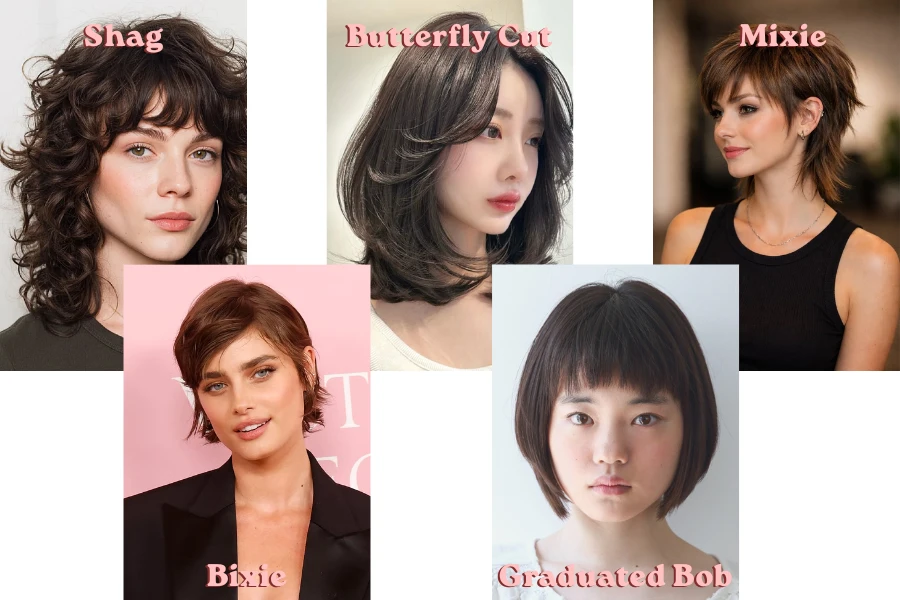
Structured cuts that reduce daily styling time
Haircuts are increasingly designed to maintain their shape without heavy styling. This improves client satisfaction while reducing the need for daily adjustments.
Popular options include:
- Modern shag, soft layers that enhance natural movement
- Butterfly cut, volume at the crown with controlled length
- Ghost layers, internal structure without visible steps
These cuts help clients maintain a consistent look between visits, reducing the need for corrective services.
Short styles that improve service efficiency
Shorter cuts remain popular, but clients are choosing versions that allow flexibility rather than extreme changes.
Common choices include:
- Mixie and bixie, transitional cuts between pixie and bob
- Graduated bob, structured shape that grows out evenly
These styles are faster to maintain and require fewer corrections, especially during busy service periods.
Face-framing details that increase customization without risk
Many clients prefer subtle changes that still create a noticeable effect. Face-framing elements allow stylists to deliver visible updates without major structural changes.
Popular options include:
- Curtain bangs
- Side fringes
- Lightly disconnected bangs
These adjustments grow out naturally and reduce the risk of dissatisfaction after the service.
Hair Color Trends That Look Better and Last Longer
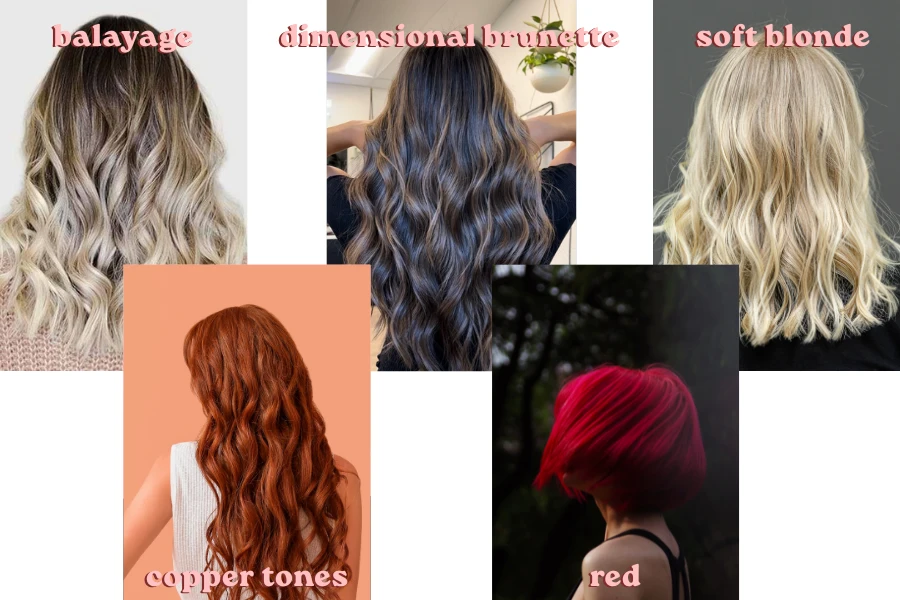
Lived-in color that extends appointment cycles
Color services in 2026 focus on natural transitions that reduce visible regrowth. This allows clients to maintain their look for longer periods.
Techniques include:
- Shadow roots that soften regrowth lines
- Color melting for seamless blending
- Soft balayage without harsh contrast
These approaches reduce maintenance frequency while maintaining a polished appearance.
Rich tones that improve perceived hair quality
Clients are choosing colors that enhance depth and reflect light evenly rather than creating strong contrast.
Trending tones include:
- Dimensional brunette, combining chocolate and caramel tones
- Soft gold blonde, balanced and natural-looking
- Copper blends, warm tones with controlled intensity
These colors improve visual consistency and reduce the need for frequent corrections.
Softer statement colors with a modern finish
Bold colors are still present but are applied in a more controlled and wearable way.
Examples include:
- Smoky rose
- Muted metallic tones
- Soft chrome finishes
These colors rely on layering and gloss to create dimension, making them easier to maintain over time.
Hair Styling Trends Everyone Will Be Asking For in 2026
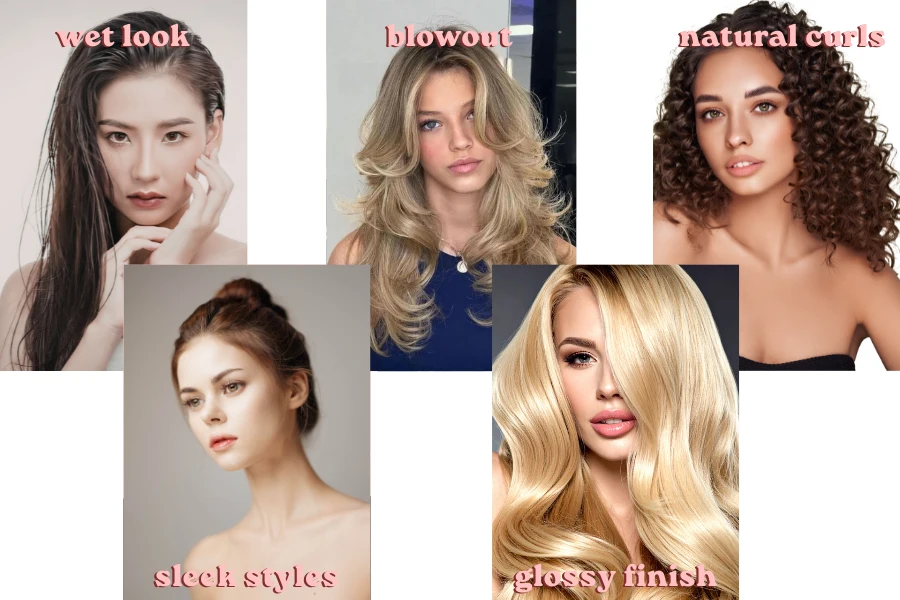
High-shine styles that require controlled finishing conditions
Sleek, reflective styles are becoming more popular, especially for premium services.
Common requests include:
- Wet-look finishes
- Slicked-back styles
- Sculpted updos
These styles highlight inconsistencies in lighting and finishing. Uneven lighting can affect color accuracy and shine, which is why many salons are improving mirror positioning and lighting balance to achieve more consistent results.
Blowouts that increase service time and tool demand
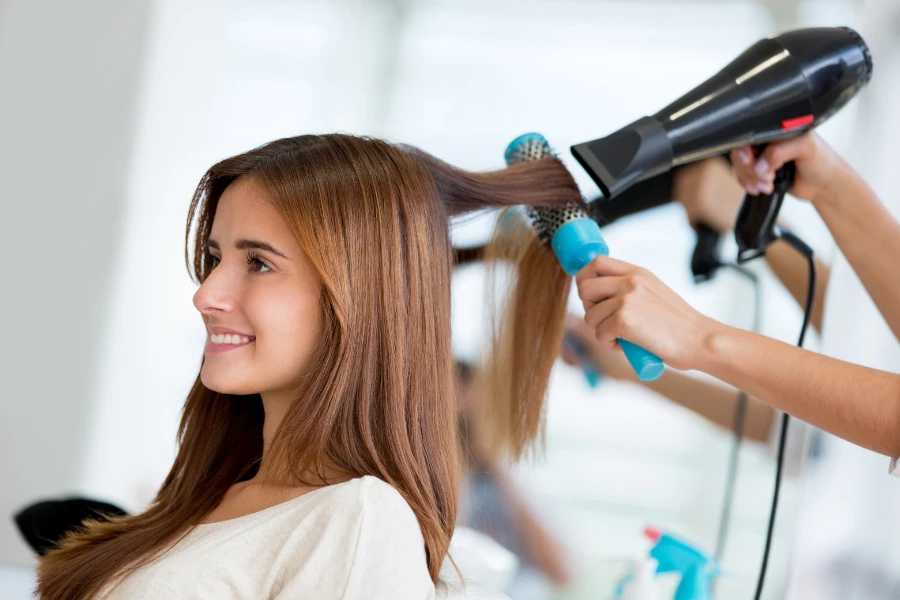
The return of the ’90s blowout reflects a demand for structured, high-volume styling.
Key features include:
- Root lift with controlled volume
- Smooth, rounded ends
- Soft but stable movement
These services require more time and tool coordination. During peak hours, inefficient layouts can slow down workflow and affect overall service efficiency.
Natural texture with improved definition and control
Natural texture remains important, but it is now more structured and intentional.
This includes:
- Air-dried waves with defined shape
- Controlled curls with consistent pattern
- Soft movement supported by lightweight products
Enhancing natural texture reduces heat usage and improves long-term hair condition.
How to Choose the Right Hair Trend for You
Consider your face shape
Face shape affects how layers fall and how volume is distributed.
- Round faces benefit from longer layers and vertical structure
- Square faces work well with softer, face-framing styles
- Heart-shaped faces require balanced volume
Choosing the right structure reduces daily styling effort.
Consider your hair type
Hair type determines how well a style performs over time.
- Fine hair needs internal support for volume
- Thick hair requires controlled weight removal
- Curly hair benefits from shape-focused cutting
Matching style to hair type improves consistency between visits.
Consider your lifestyle
Lifestyle plays a key role in choosing a sustainable style.
- Busy schedules suit low-maintenance cuts and colors
- High-maintenance routines can support structured styling
- Active lifestyles benefit from controlled, easy-to-manage shapes
Aligning trends with daily habits reduces long-term frustration.
What Salon Owners Should Know About 2026 Hair Trends
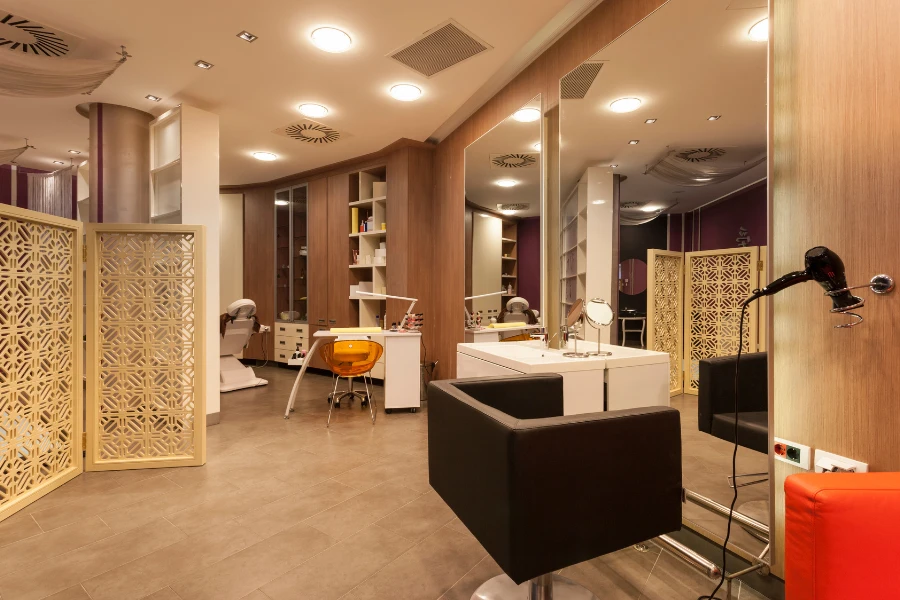
These trends increase the demand for consistency, efficiency, and precision. Delivering them successfully depends on both technique and workspace organization.
Common challenges include:
- Inconsistent lighting affecting color accuracy
- Limited chair adjustability reducing cutting precision
- Poor tool access slowing down service flow
To address these issues, many salons are adopting more structured equipment setups. Integrated systems that improve ergonomics, lighting, and workflow are becoming more common, with solutions from manufacturers such as NovaBeauty often used to support consistent service delivery.
Why These Hair Trends Matter in 2026
The defining shift in 2026 is toward consistency and practicality. Clients expect styles that remain stable, require less effort, and fit into real daily routines.
For salons, this creates an opportunity to deliver services that are efficient, repeatable, and aligned with long-term client expectations. When trends support both visual results and operational needs, they become sustainable rather than temporary.