
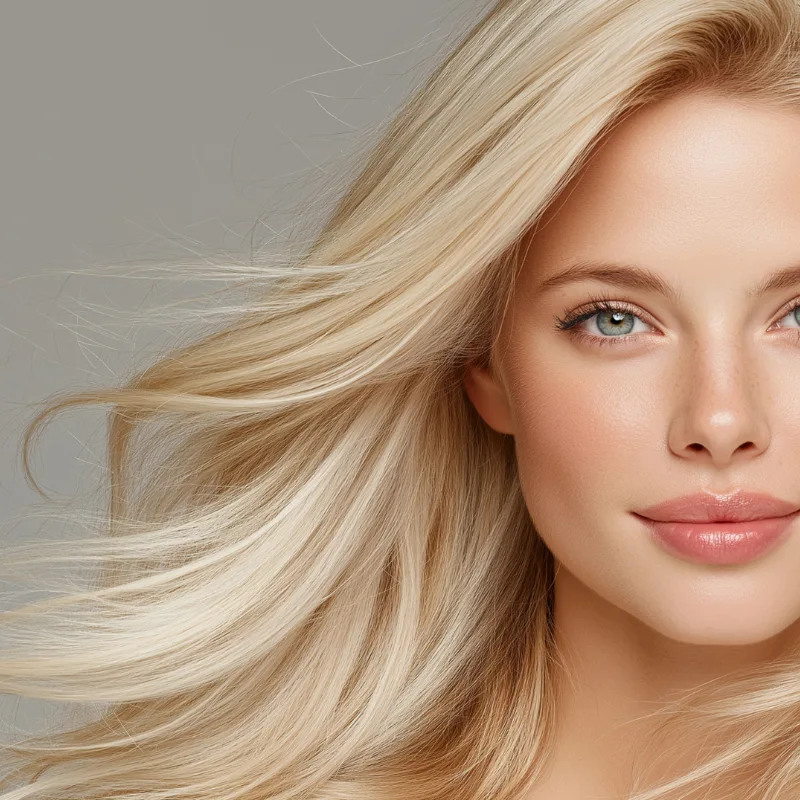
What’s Driving Hair Color Trends for Summer 2026
Summer 2026 hair color is defined by softness, controlled warmth, and visible shine. The goal is not dramatic contrast, but color that reflects light accurately, grows out without harsh lines, and maintains a consistent appearance across different lighting conditions.
This shift is practical as much as aesthetic. High-maintenance blondes and over-processed finishes often lead to frequent corrections and inconsistent results. In 2026, salons are prioritizing tones that reduce rework, protect hair condition, and deliver predictable outcomes over time.
How to Choose the Right Summer 2026 Hair Color
Color selection depends on maintenance tolerance, hair condition, and service expectations. Choosing the wrong category often results in early fading, uneven regrowth, or unnecessary corrective work.
If low maintenance is the priority
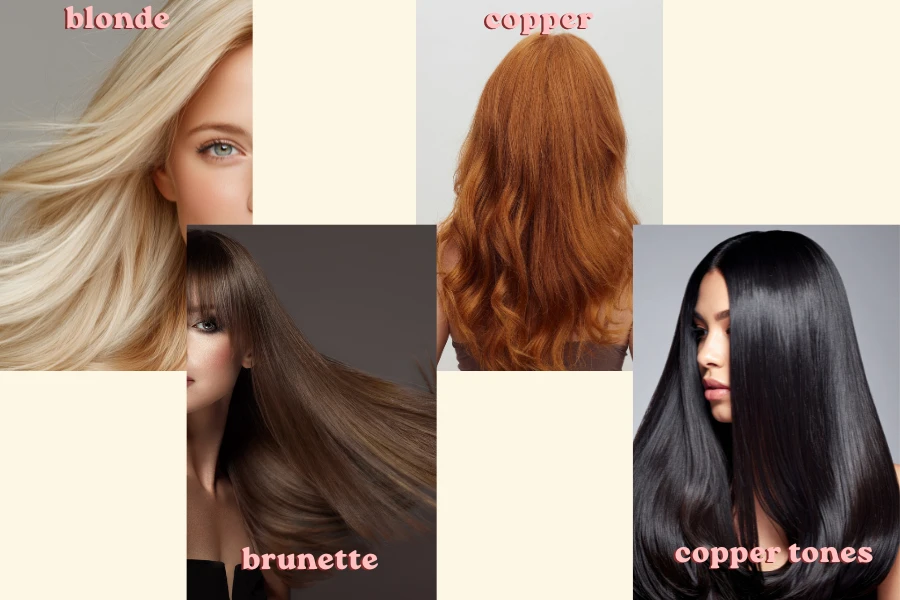
Champagne Brunette and Golden Almond Bronde blend naturally with root growth and reduce visible regrowth lines. This allows longer intervals between appointments and supports a more stable service cycle.
High-contrast blonding creates faster regrowth visibility and typically requires earlier corrections, which increases long-term maintenance.
If brightness is needed without over-processing
Honeyed Blonde and Cashmere Blonde provide lift while maintaining structural integrity. These shades rely on controlled warmth and soft transitions instead of aggressive lightening.
Over-lightening weakens the cuticle and leads to faster tone loss, uneven porosity, and inconsistent future results.
If a noticeable change is desired but still wearable
Cherry Mocha and Copper Latte introduce warmth without separating too far from the natural base. They maintain visual impact while avoiding rapid fading contrast.
Bright reds without depth tend to fade unevenly, shifting toward dull or orange tones, which increases the need for corrective toning.
If a deeper, polished look is preferred
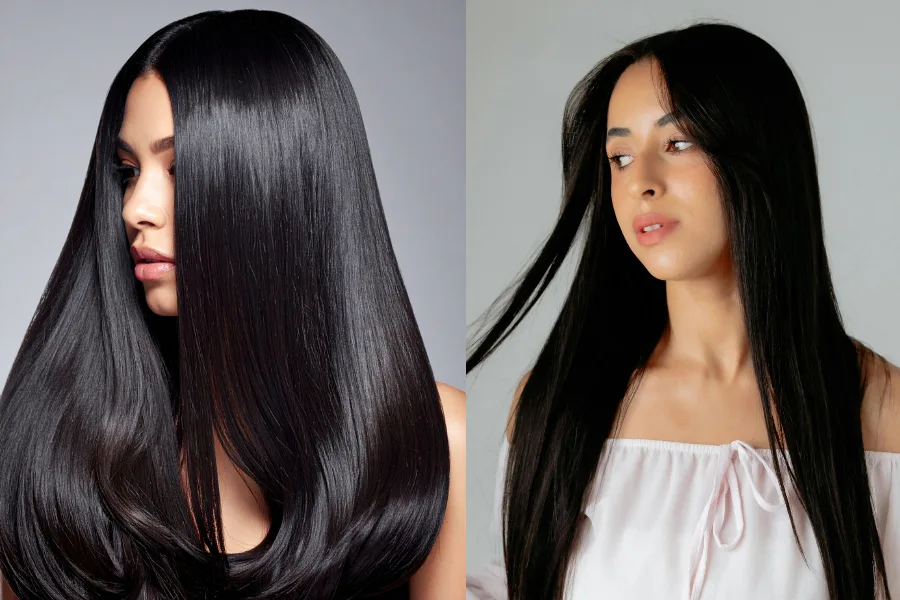
Espresso Noir and Inky Black rely on surface reflection rather than tonal variation. They are suitable for clients who prioritize smooth texture and long-term condition.
Without gloss support, dark tones often appear flat under salon lighting and lose definition after repeated heat styling.
The Most Popular Hair Colors for Summer 2026
Soft, reflective blondes
Ice Beige Blonde and Soft Pearl Blonde balance neutral and warm undertones to avoid the flat appearance seen in over-ash blondes. These shades perform more consistently under mixed lighting conditions, which improves consultation accuracy.
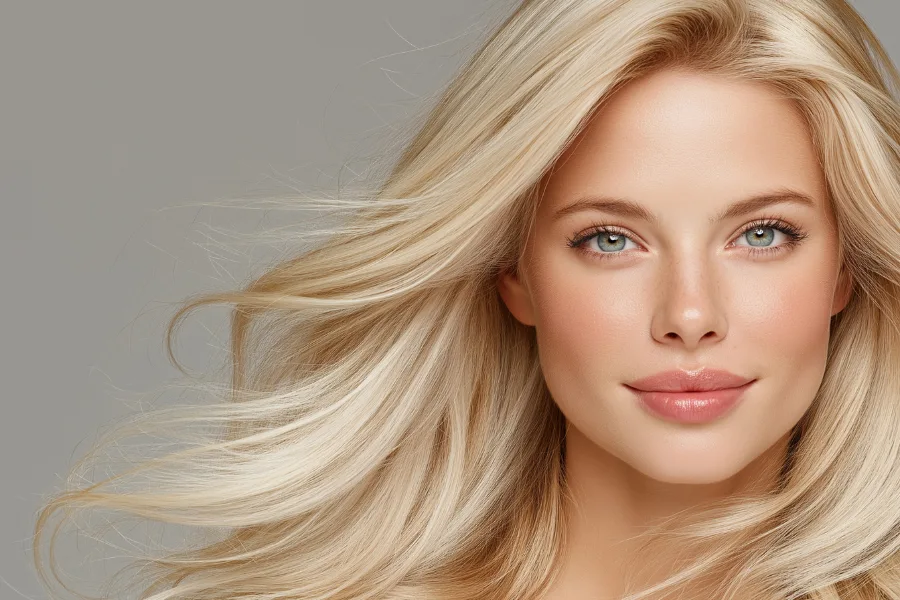
Honeyed and Cashmere blondes introduce depth, allowing the color to remain visually stable as it grows out and reducing the need for frequent re-toning.
Dimensional brunettes and brondes
Mocha Silk Brunette and Babydoll Brunette use layered tones to create movement and depth. This prevents the color from appearing flat and improves how it responds to both natural and artificial light.
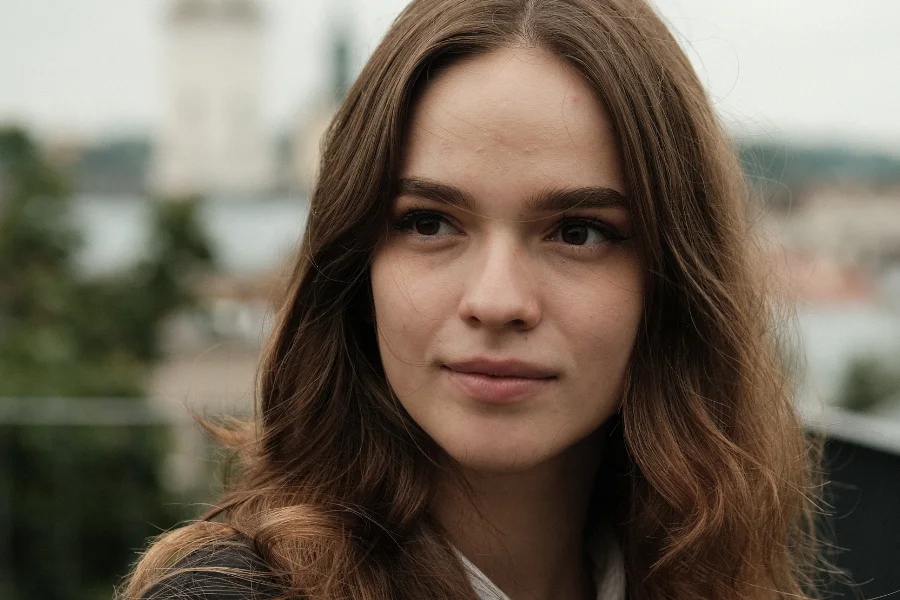
Golden Almond Bronde remains one of the most commercially reliable options, as it adapts well across base colors and reduces the need for full corrections.
Warm reds and copper blends
Burnt Copper, Cherry Mocha, and Wine Brunette focus on controlled warmth and depth. These tones maintain consistency longer because they are built on deeper base colors.
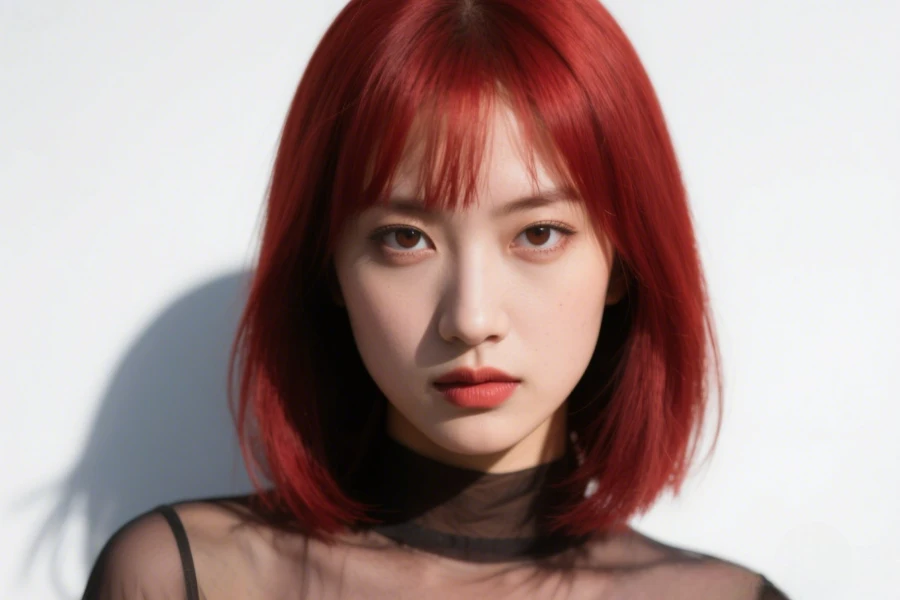
When applied without sufficient depth, red tones often lose saturation quickly and require frequent gloss adjustments.
Deep, high-gloss dark tones
Inky Black and Espresso Noir depend on surface smoothness to reflect light. Their visual impact decreases significantly if the cuticle is not properly sealed during finishing.
Regular glossing and controlled heat styling help maintain clarity and depth in these shades.
Why These Hair Colors Are Easier to Maintain and Sell
These trends align with modern salon operations by reducing correction frequency and improving service predictability.
Balayage and soft blending reduce visible regrowth, while root melt techniques extend service intervals. Gloss treatments maintain tone and shine between visits, increasing perceived value without requiring full recoloring.
Execution depends on a controlled working environment. Inconsistent lighting can distort tone perception, especially for beige and pearl blondes. Disorganized workstations can interrupt timing during multi-step applications, leading to uneven results.
In structured salon setups, integrated equipment layouts help reduce these risks. Systems commonly seen in NovaBeauty installations support continuous workflow, improve access to tools, and help maintain consistent processing across different services.
What’s In and What’s Out in Summer 2026 Hair Color
In
Warm, neutral blondes that maintain clarity under different lighting conditions
Seamless transitions that reduce visible regrowth
Gloss-driven finishes that improve light reflection
Layered brunette tones that create movement without over-processing
Red and copper shades built on deeper bases for better longevity
Out
Over-ash blondes that appear flat under indoor lighting
High-contrast color blocks with visible regrowth lines
Over-processed finishes that reduce shine and durability
Multi-tone fashion colors with inconsistent fading patterns
One-dimensional dark tones without reflective depth
How Lifestyle Is Changing the Way People Choose Hair Color
Hair color decisions are increasingly influenced by time, routine, and long-term wearability rather than short-term visual impact.
Frequent washing, heat styling, and irregular maintenance accelerate color fading, especially in red and deeper tones. Structured routines, including spaced appointments and targeted aftercare, help maintain more consistent results.
Salons that align services with these patterns can reduce corrective work and improve client retention through predictable outcomes.
How Salon Setup Affects Hair Color Results
Hair color results depend on both technique and environment. Even well-formulated colors can appear inconsistent if the setup does not support controlled application.
Lighting plays a critical role. Color evaluation under lighting below 4000K can shift beige and pearl tones toward unwanted warmth, leading to incorrect toning adjustments.
Wash units affect both technical results and client comfort. Poor positioning or limited support can reduce rinsing efficiency and shorten tolerance for longer services.
Workstation layout influences timing and accuracy. Delays between sections during application can lead to uneven processing, particularly in multi-zone color work.
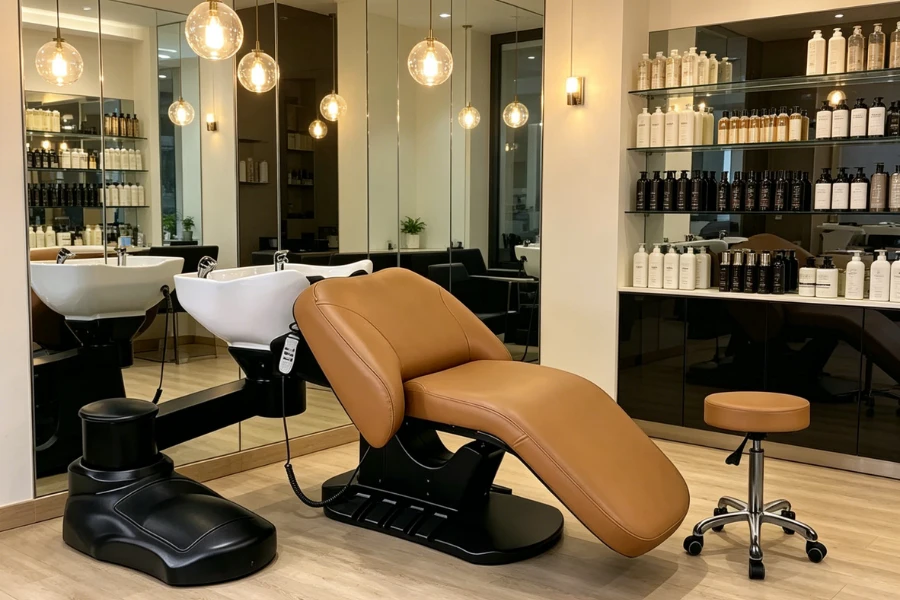
In coordinated salon environments, these variables are minimized through structured equipment placement. Solutions provided by NovaBeauty help align wash areas, styling stations, and mobile storage to support continuous workflow and reduce variation between services.