
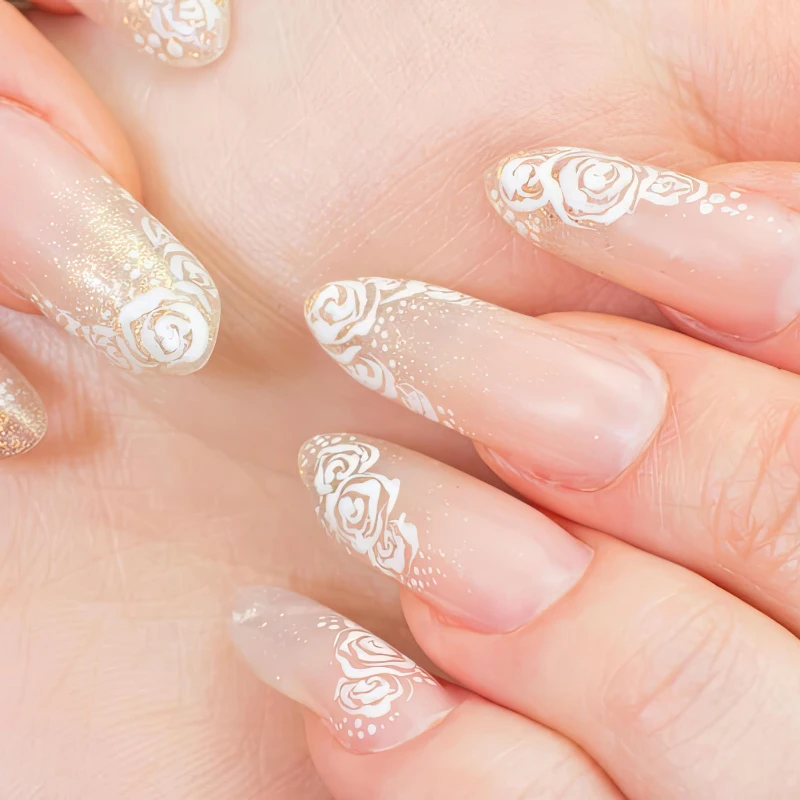
What’s Changing in Spring Nail Trends This Year
This spring’s nail trends are defined by three practical shifts — lighter color palettes, more controlled design placement, and finishes that add texture without increasing visual weight.
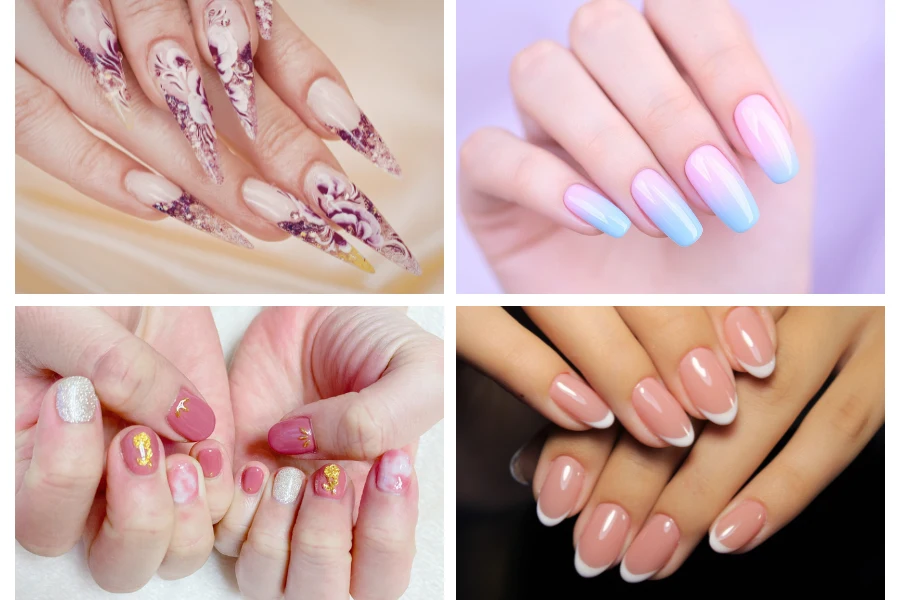
Compared to winter styles, these designs improve client acceptance across different age groups and lifestyles. They grow out more cleanly, require less correction between appointments, and support more consistent service outcomes during peak hours.
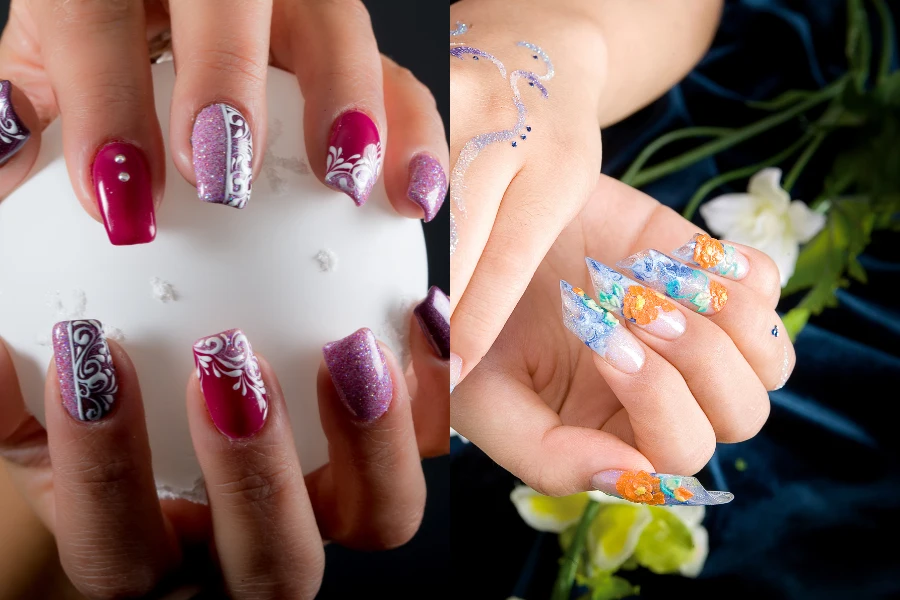
The Most Popular Nail Design Styles This Spring
Understanding trends as structured design types makes it easier to guide clients and standardize service delivery across different technicians.
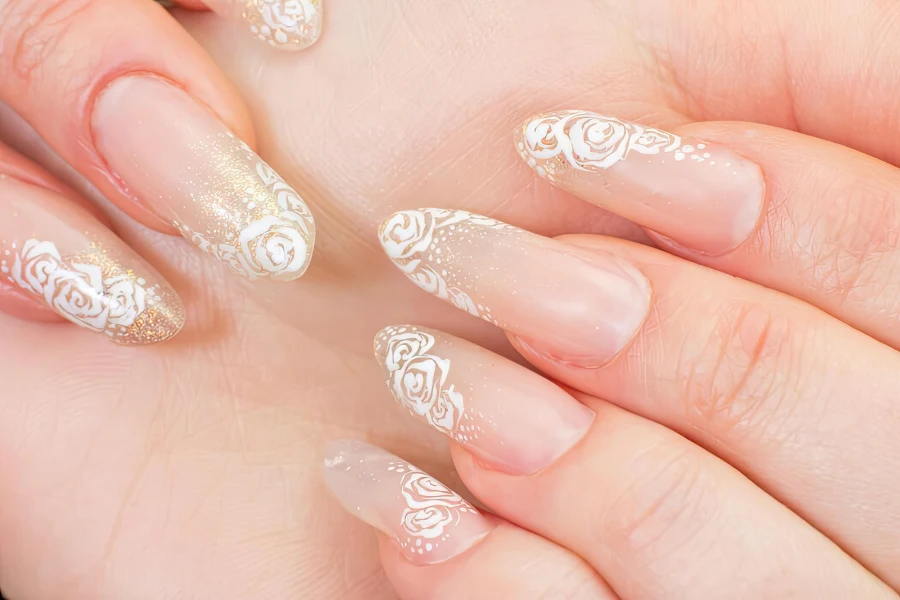
Floral Nail Designs That Feel Lighter and More Modern
Florals remain the most reliable spring option, but the execution is more controlled and intentional.
- Micro florals placed as one to two focal accents per nail reduce visual crowding
- Floral French tips maintain a clean edge while adding seasonal detail
- Abstract florals use color movement instead of detailed outlines
- 3D floral elements are limited to one or two nails to avoid daily interference
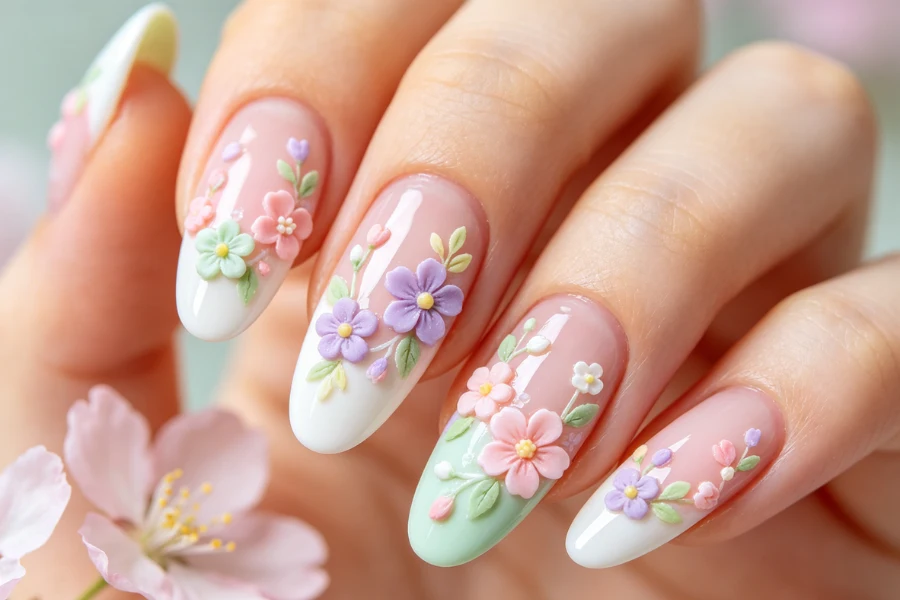
This approach improves wearability and reduces repair requests for active clients.
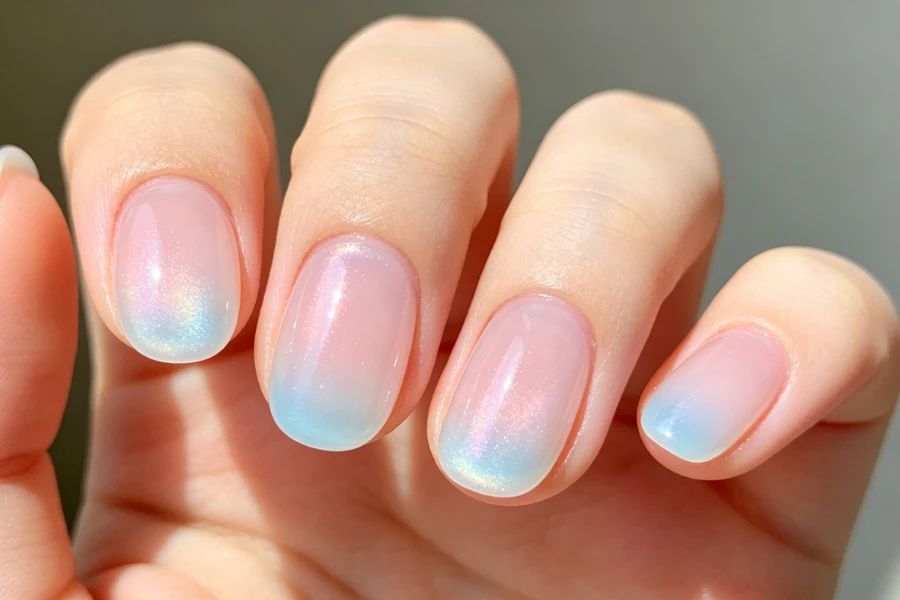
Soft Pastel Nail Colors and Gradient Looks
Pastel tones dominate because they reduce visual density and adapt well across nail lengths.
- Sheer or milky bases support layered designs without blocking light
- Gradients should stay within two to three adjacent tones for smooth transitions
- Aura effects work especially well on shorter nails to create depth without bulk
These techniques improve consistency and reduce rework across different technicians.
Textured Nail Designs Like 3D, Chrome, and Jelly
Texture-based designs help increase perceived value without requiring fully custom work.
- Limit 3D elements to controlled zones to prevent lifting or snagging
- Use chrome or cat-eye finishes on one or two accent nails to reduce service time
- Apply jelly finishes across full sets for faster execution with strong visual impact
These methods support premium pricing while maintaining manageable workflow.
Minimal Nail Designs With Clean and Natural Space
Minimal designs are one of the most efficient and stable options for both clients and salons.
- Keep design coverage under 50 percent of the nail surface
- Use fine lines or small accents to avoid early imbalance during growth
- Maintain a limited color palette for consistency across both hands
These designs grow out cleanly and reduce maintenance frequency.
How to Choose the Right Spring Nail Design for Your Clients
The right design depends on nail structure, lifestyle, and maintenance expectations rather than trend alone.
- Short nails
Limit to one or two focal elements and avoid full coverage to prevent overcrowding - Medium or almond shapes
Use gradients, floral placement, or light texture to enhance proportions - Long nails
Combine structure and texture while maintaining balance across all fingers - Low-maintenance clients
Prioritize sheer bases and minimal designs that remain visually stable over time - Style-focused clients
Introduce controlled texture or mixed elements without extending service time excessively
This approach reduces consultation time and improves decision clarity.
What These Nail Trends Mean for Your Salon Services
Spring trends directly affect service efficiency, pricing structure, and booking flow.
- Minimal and pastel designs
Reduce average service time and support higher booking volume - Structured French variations
Improve technician consistency and reduce correction work - 3D and textured designs
Increase perceived value and support higher pricing tiers - Chrome and specialty finishes
Add differentiation without significantly increasing labor time
Balancing these services helps maintain both workflow stability and revenue growth.
How to Showcase Spring Nail Designs in Your Salon
Presentation plays a key role in how quickly clients make decisions.
- Display seasonal designs in grouped categories rather than random samples
- Use consistent lighting to ensure accurate color and texture visibility
- Provide comfortable seating to support longer, detail-focused services
In professional salon environments, including those developed by NovaBeauty, workstation spacing, lighting clarity, and seating comfort are structured to support technician efficiency while improving the overall client experience.
How to Make Spring Nail Designs Last Longer
Spring designs rely on light colors and fine details, so durability depends on proper preparation and maintenance.
- Ensure thorough nail preparation to improve adhesion
- Apply high-quality top coats to protect shine and texture
- Reapply top coat every two to three days for chrome or glossy finishes
- Avoid placing 3D elements on high-contact areas such as index fingers
- Use cuticle oil daily to maintain surrounding skin condition
These steps help maintain a consistent finish between appointments.
Final Thoughts on Spring Nail Trends
Spring nail trends are moving toward lighter, more structured designs that improve wearability and service consistency.
For salons, success comes from translating these trends into practical service systems and a well-organized environment. Clear guidance, controlled execution, and an efficient setup help improve client retention and long-term booking stability.