
I talked to a tattoo artist who’s been using the same hydraulic chair for 12 years. The upholstery has been replaced twice, but the hydraulic pump still works like the day he bought it. Meanwhile, his friend’s electric chair needed motor repairs twice in three years. Read our barber chair hydraulic oil for the full breakdown.
Hydraulic salon equipment doesn’t get the same attention as electric, but it has real advantages: it’s simpler, more affordable, and in some cases, more reliable. Here’s why hydraulic chairs and beds are still the right choice for many salon professionals.
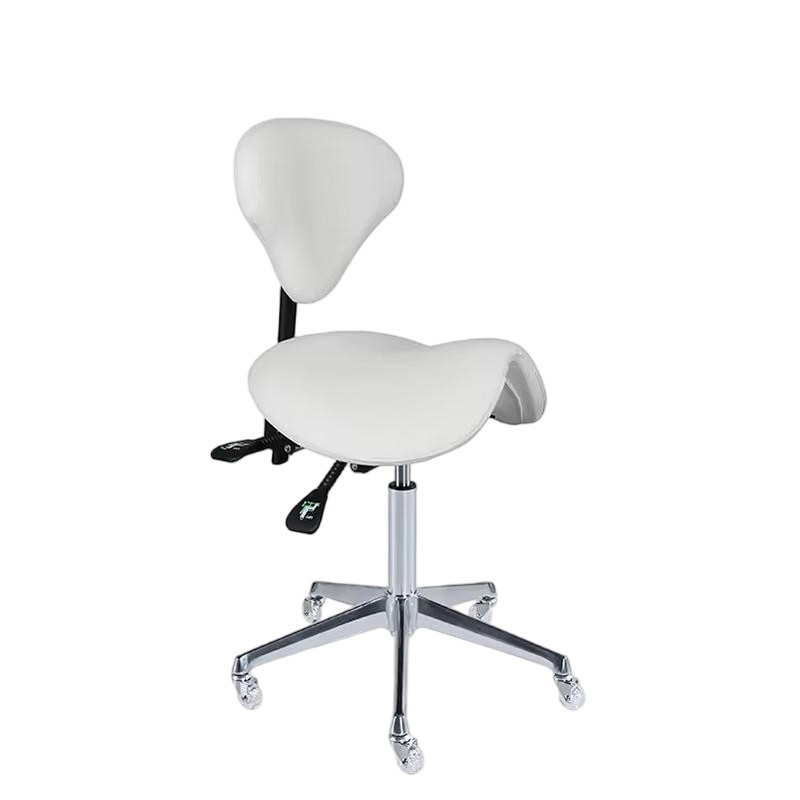
Types of Hydraulic Salon Equipment
| Type | Who Uses It | How It Works | Price (2026) |
|---|---|---|---|
| Hydraulic Tattoo Chair | Tattoo and piercing artists | Foot-operated pump raises the height. A lever releases it back down. No electricity, no motors, no circuit boards to fail. | $400 – $1,200 |
| Hydraulic Massage Bed | Massage therapists, physical therapists | Foot pump raises the bed height. Some models also have a hand lever for backrest tilt. Loads up to 500 lbs quietly and smoothly. | $500 – $1,500 |
| Hydraulic Esthetician Bed | Estheticians, lash techs, waxing specialists | Same pump mechanism as the massage bed, but often narrower and with a face cradle. Less expensive than electric, and fewer things to break. | $500 – $1,200 |
| Hydraulic Barber / Salon Chair | Barbers, hair stylists | Classic pump-up design with a chrome base. The standard in barbershops for decades. A good one lasts 20 years. | $300 – $1,000 |
| Hydraulic Waxing Bed | Waxing studios | Wider surface, heat-resistant upholstery, foot pump height adjustment. The hydraulic mechanism keeps the price accessible. | $500 – $1,200 |
Hydraulic vs Electric — Which One for You?
| Factor | Hydraulic | Electric |
|---|---|---|
| Price | 30-50% cheaper than comparable electric models | More expensive, especially 3-motor+ models |
| Reliability | Fewer moving parts. The pump mechanism is simple and fixable by any shop. A hydraulic chair can last 10-15 years. | Motors, control boards, and wiring can fail. Repairs require specialized parts and service. |
| Adjustability | Height only (most models). Some add backrest tilt. No independent section control. | Multiple sections: height, backrest, leg rest, tilt, headrest — all independently controlled. |
| Noise | Quiet — a soft hiss from the hydraulic fluid | Motor noise varies widely. Cheap motors are distractingly loud. |
| Ease of Use | You pump a foot pedal. Takes 5-10 pumps to go from low to high. Fine for between clients, not something you’d do mid-session. | Push a button. Instant adjustment. Can be done mid-treatment without interrupting flow. |
| Maintenance | Occasional hydraulic fluid top-up. Most issues can be fixed with basic tools and a $20 seal kit. | Motor replacement ($100-$300), control board replacement ($50-$200), wiring issues |
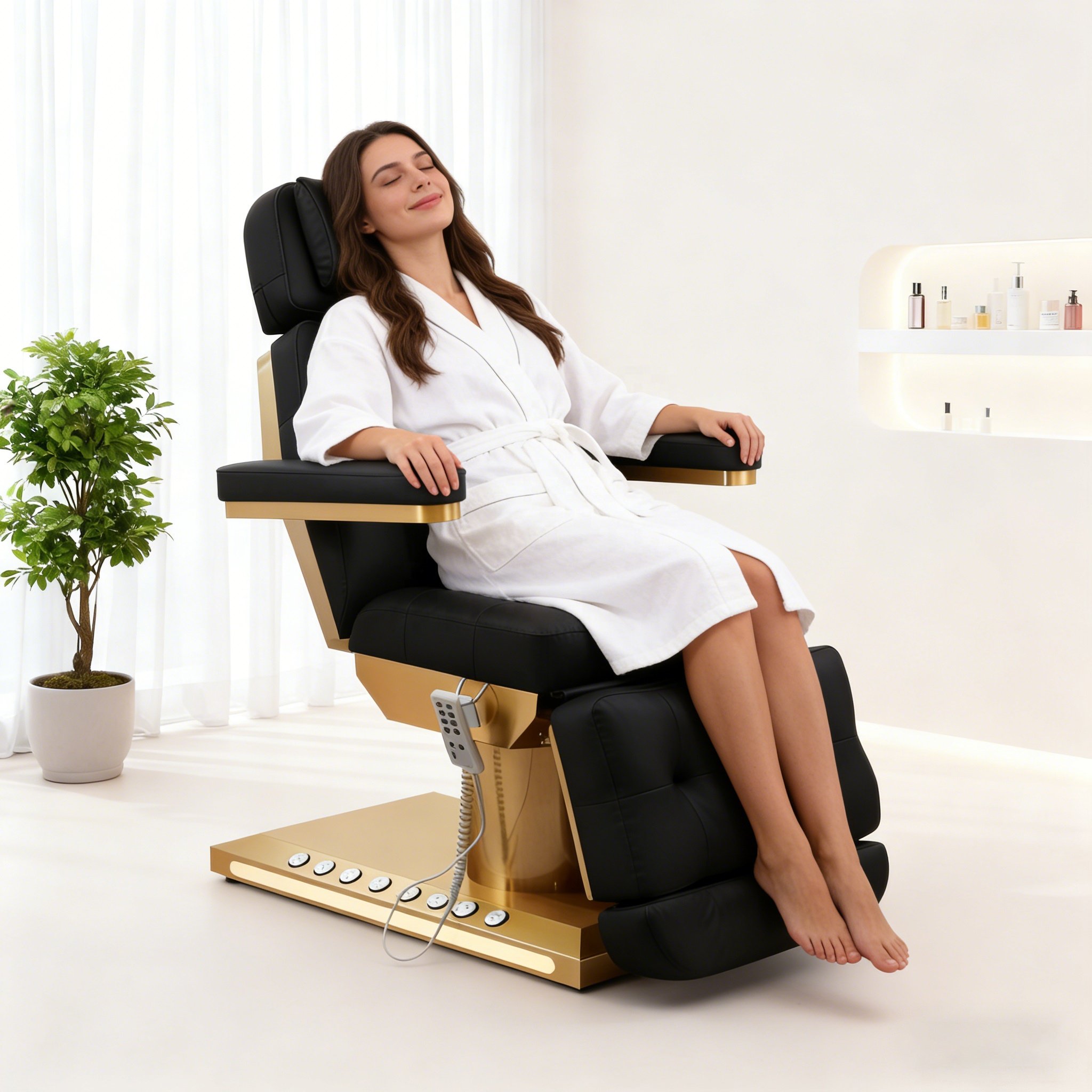
Why Artists Choose Hydraulic Tattoo Chairs
Tattoo artists have particularly good reasons to choose hydraulic. Tattoo studios are harsh on equipment — constant exposure to ink, disinfectant, moisture, and heavy use. Electric motors and control boards don’t like moisture. A hydraulic tattoo chair has no electronics to short out.
Hydraulic chairs also handle weight better at their price point. A $600 hydraulic chair typically has a 400-500 lb weight capacity, while a $600 electric chair might be rated at 300 lbs. For artists who work on diverse body types, that matters.
The trade-off? You have to pump. If you need to adjust the height three times during a session (which some artists do for large back pieces), pumping gets old. But many artists set the height once at the start and don’t touch it again for hours.
Hydraulic Massage Beds — A Solid Choice for Mobile Work
Hydraulic massage beds are popular among mobile therapists and therapists in shared rental spaces. Without the electric motor, the bed is lighter (often 60-80 lbs vs 100-130 lbs for electric). It’s also less expensive, which matters when you’re furnishing multiple treatment rooms.
The main limitation is that you can only adjust height — no independent backrest or leg rest adjustment. Most massage therapists can work with that, but if you regularly adjust positions mid-session, the lack of section control will frustrate you.
Hydraulic Barber Chairs — The Classic Choice
Hydraulic barber chairs are a different category entirely. They’re built for heavy daily use, with chrome or powder-coated bases, thick upholstery, and pump mechanisms that last for decades. A good hydraulic barber chair is one of the few pieces of salon furniture that can truly be called “buy it for life.”
Barber chairs tend to keep their value, too. Used high-end barber chairs from legacy brands sell for 60-70% of new prices after 5-10 years. That kind of resale value doesn’t exist in electric chairs.
Prices (2026)
| Type | Factory Direct | US Distributor |
|---|---|---|
| Hydraulic Tattoo Chair | $250 – $600 | $400 – $1,200 |
| Hydraulic Massage Bed | $350 – $800 | $500 – $1,500 |
| Hydraulic Esthetician Bed | $350 – $700 | $500 – $1,200 |
| Hydraulic Barber Chair | $250 – $600 | $400 – $1,000 |
Related Guides
- Read our Tattoo Chairs & Beds Guide for more information.
- Read our Hair Salon Chairs Guide for more information.
- Read our Electric Massage Beds Deep Dive for more information.
Frequently Asked Questions
How long do hydraulic chairs last?
A quality hydraulic chair lasts 10-15 years with basic maintenance. Some barber chairs last 20+ years. The hydraulic pump may need seal replacement every 5-7 years — a $20 fix.
Hydraulic or electric for a tattoo shop?
Hydraulic is often better for tattoo shops. No electronics to short out from disinfectant and moisture. Hydraulic chairs also have higher weight capacity at the same price point.
Can I convert a hydraulic chair to electric?
It’s not practical. The frames are designed differently. If you want electric, buy electric from the start.
Is hydraulic better than electric for barber chairs?
Yes — hydraulic barber chairs are the industry standard. They’re simpler, more reliable, and classic pump-up barber chairs hold their resale value exceptionally well.
Final Word
Hydraulic equipment isn’t outdated — it’s the right choice for many professionals. If you value simplicity, reliability, and lower cost over the convenience of push-button adjustment, hydraulic is the way to go. Tattoo artists, barbers, and mobile therapists are the best candidates. If you need to adjust positions frequently during sessions or have physical limitations, electric is still the better investment.
Browse our salon chairs and beauty beds — including both electric and hydraulic options.