
Shampoo Bowl vs Shampoo Bed: Which Backwash Station Is Right for Your Salon?
Every shampoo service needs a backwash station, but salons face a real fork in the road: a classic shampoo bowl or a modern shampoo bed. Both get hair wet, but they serve very different clients, spaces and budgets. This 2026 guide breaks down the differences so you can buy the right station the first time.
What Is a Shampoo Bowl?
A shampoo bowl (or shampoo basin) is a standalone sink unit with a curved neck rest. The client sits upright in a regular styling chair and leans back over the basin. It is the traditional setup found in most budget-friendly salons and barbershops, and it remains a perfectly practical choice when space or capital is limited.
What Is a Shampoo Bed?
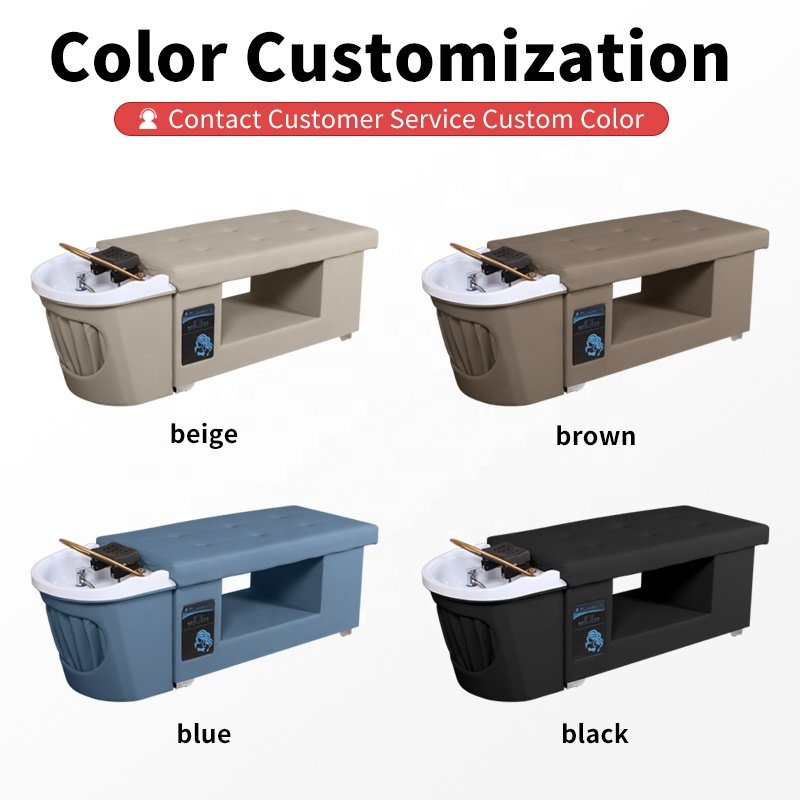
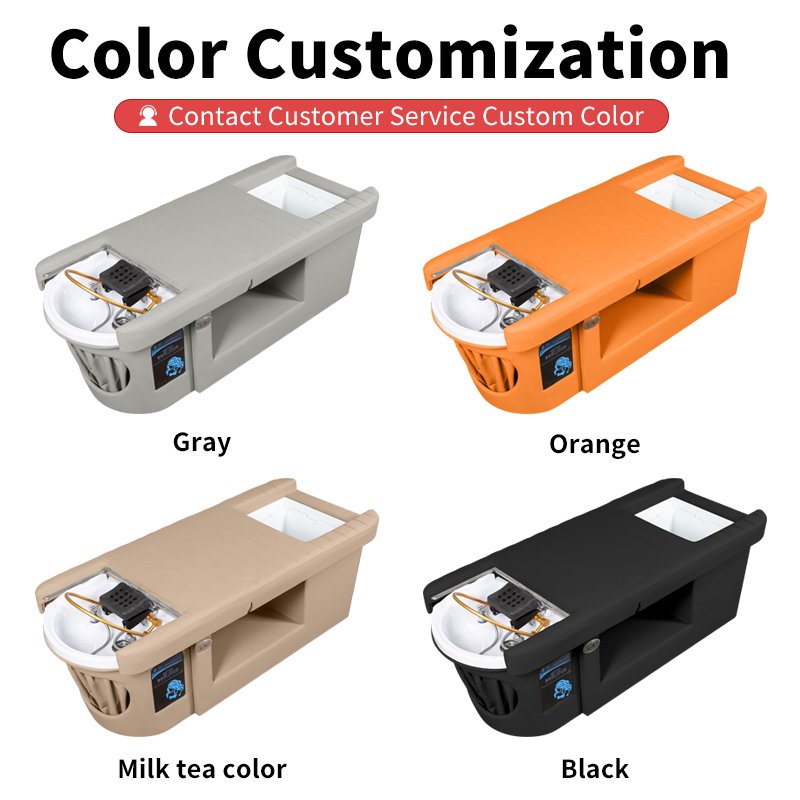
A shampoo bed, also called a backwash unit or shampoo chair with basin, combines a reclining chair and a built-in basin in one piece. The client lies back in a fully reclined, supported position while the stylist stands behind. These are the standard in premium salons, spas and color studios where comfort and ergonomics matter — and they have become the default recommendation for new salon fit-outs in 2026.
Key Differences at a Glance
| Feature | Shampoo Bowl | Shampoo Bed |
|---|---|---|
| Client posture | Sitting upright, leaning back | Fully reclined, supported |
| Comfort for long services | Moderate; neck strain after 15+ min | High; ideal for 30-60 min treatments |
| Space required | Compact; pairs with existing chairs | Larger footprint (needs reclining clearance) |
| Price range (2026) | $200 – $600 | $400 – $1,500 |
| Best for | Barbershops, small booths, tight budgets | Spas, color studios, luxury salons |
| Maintenance | Easy; simple basin plumbing | More parts; check hydraulics and plumbing |
Comfort and Client Experience
For a quick 10-minute wash, a shampoo bowl is perfectly fine. But for hair treatments, deep conditioning or color services that run 30 minutes or longer, clients notice the difference quickly. A shampoo bed keeps the neck and spine aligned, reduces strain and makes the experience feel like a spa service rather than a chore. If your reviews mention “uncomfortable wash,” an upgrade to shampoo beds is the fastest fix. Comfort also drives repeat visits: a client who dreads the wash basin is a client who books elsewhere.
Space and Layout Planning
Measure your floor plan before you buy. A shampoo bowl can fit into a narrow 3-foot station. A shampoo bed typically needs 5-6 feet of depth so the chair can recline fully without hitting a wall or the next station. Plan plumbing for each unit — basins need hot and cold water supply plus drainage, so position stations near existing plumbing lines to keep installation costs down. Also leave a walkway behind the stations: your stylists need room to move around the client, and clients need an easy path in and out without stepping over cords or hoses.
Price and Budget Considerations (2026)
Entry-level shampoo bowls start around $200 and work well for barbershops and single-chair booths. Mid-range units with ceramic basins and metal frames run $350-$500. Shampoo beds start near $400 for manual recliners and climb to $1,200-$1,500 for electric or hydraulic models with lumbar support. When comparing prices, factor in faucet, hose, installation and plumbing work — these often add 15-25% on top of the unit price. A common budgeting rule is to allocate 10-15% of your total fit-out budget to the shampoo area, since it is one of the most heavily used zones in the salon.
Buying Tips
- Match the client base: budget barbershop? Go with bowls. Luxury spa or color studio? Invest in beds.
- Check the basin material: ceramic resists scratches and cleans easily; acrylic is lighter and cheaper but can dull faster under heavy use.
- Test the recliner: manual recline is fine for occasional use, but busy salons should prefer hydraulic or electric adjustability to speed up turnarounds.
- Ask about plumbing kits: some units ship with hoses and faucets included, which saves a separate purchase and guarantees compatible fittings.
- Buy in sets: most suppliers offer discounts when you order 2-4 stations at once — a common trick for outfitting a whole shampoo area.
- Inspect the neck rest: a removable, replaceable neck cushion with a waterproof cover is a small detail that extends the life of the unit and keeps hygiene standards high.
Frequently Asked Questions
Can you install a shampoo bowl without a plumber?
Most units need a licensed plumber to connect hot and cold supply lines and drainage properly. Some portable backwash units with a built-in water tank avoid plumbing entirely, but they have limited water capacity and are best for mobile or pop-up services.
How many shampoo stations do I need?
As a rule of thumb, one shampoo station per two to three stylists is enough for most salons. If you run color-heavy services where every client needs a wash, plan one station per two stylists and book washes in staggered time slots.
Are electric shampoo beds worth the extra cost?
If your team performs 10+ washes per day per station, yes. Electric adjustment is faster and more consistent than manual levers, and it reduces wear on your staff’s bodies over a full shift. For lower-volume studios, a quality manual model is perfectly adequate.
Final Verdict
Choose a shampoo bowl if space is tight, the budget is under $600 per station and your services are short. Choose a shampoo bed if you run a spa, color studio or premium salon where client comfort drives retention and upselling. Many successful salons do a hybrid: bowls at the barber stations, beds in the color and treatment area.
Browse our full collection of shampoo beds for salons to compare models, dimensions and wholesale pricing for your 2026 setup.
New to backwash stations? Read our head spa bed buying guide if you are weighing a spa-style setup.