
I remember my first month in practice. I’d spent six figures on a lease, X-ray equipment, and marketing — and then I sat down to pick a chiropractic table. I had no idea there were so many options. Electric vs manual. Drop vs stationary. Flexion distraction vs plain. And nobody tells you which one actually matters for a new practice versus a high-volume clinic.
Let me save you the headache. Here’s what I learned about chiropractic tables after watching multiple colleagues buy the wrong one.
Types of Chiropractic Tables — What Actually Exists Out There
The table you pick determines what techniques you can do, how many patients you can see, and how your body feels at the end of the day. Here’s the landscape.
| Type | What It’s Actually Good For | What You’ll Pay (2026) |
|---|---|---|
| Electric Chiropractic Table | High-volume clinics. You push a button and the table goes up or down — no cranking, no bending. If you’re seeing 25+ patients a day, this is the difference between driving home sore and driving home fine. | $1,500 – $4,000 |
| Chiropractic Drop Table | Low-force adjusting. Thompson technique. Elderly patients, acute injuries, anyone who flinches at a manual thrust. The section drops a few millimeters and does the work for you. | $1,200 – $3,500 |
| Portable Chiropractic Table | House calls, weekend markets, corporate chair massages. Also great if you rent a room and need to pack up every night. | $400 – $1,200 |
| Flexion Distraction Table | Disc patients. Sciatica. If you want to treat herniated discs without sending people to a surgeon, this is your tool. Cox technique — that’s the name you’ll hear most. | $2,000 – $5,000 |
| Elevation Chiropractic Table | Tables that go really high or really low. Useful if you’re tall (6’2″+), short, or see a mix of both. Some patients can’t climb onto a standard-height table. | $1,800 – $3,800 |
Quick take: If you’re starting out and seeing a general population, get an electric 3-section drop table. It covers diversified, Thompson, and basic mob work. You won’t outgrow it for at least three years.
Key Features — What You’ll Actually Notice During a 12-Hour Day
I’ve used maybe a dozen different tables across five clinics. Here’s what separates the good ones from the ones you’ll hate owning.
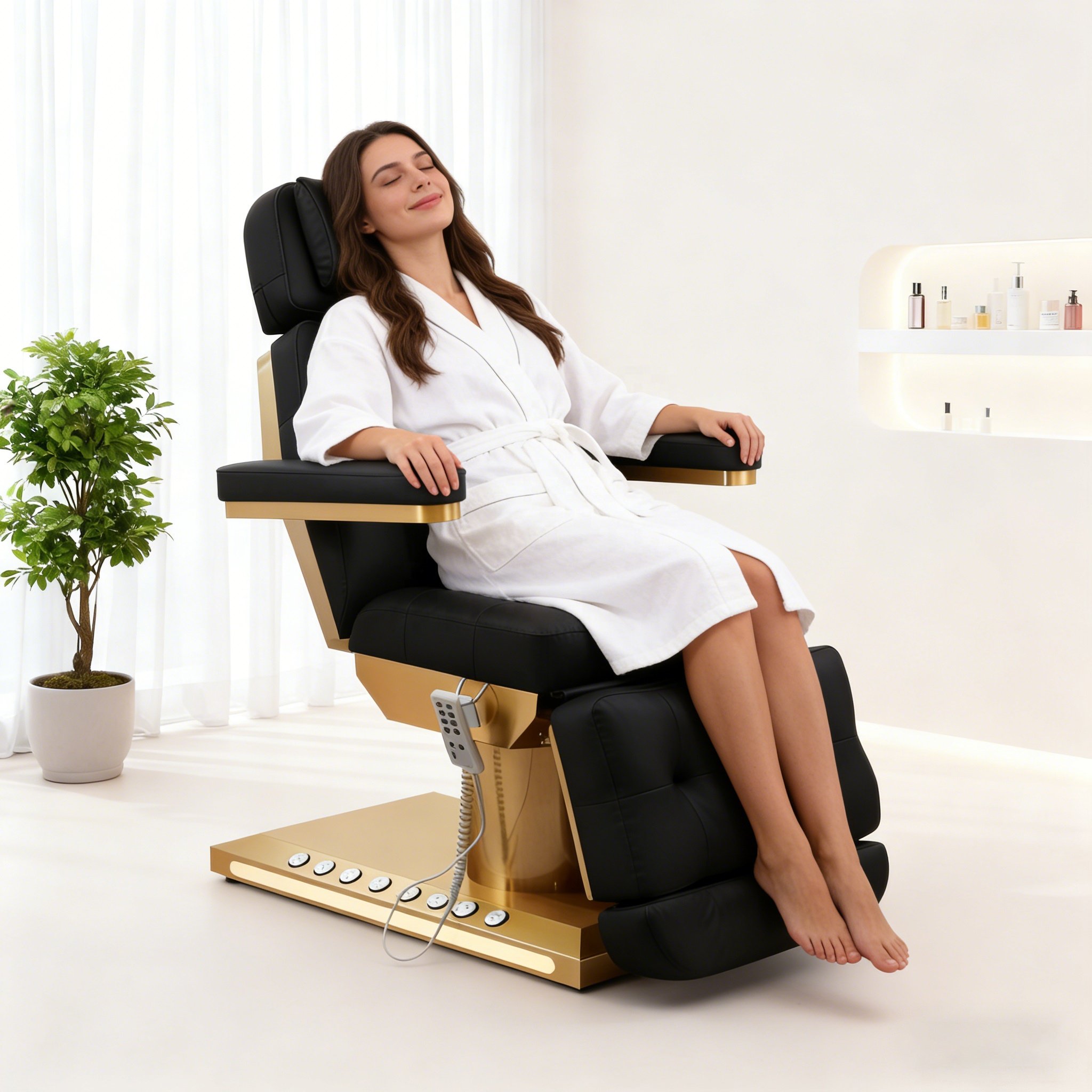
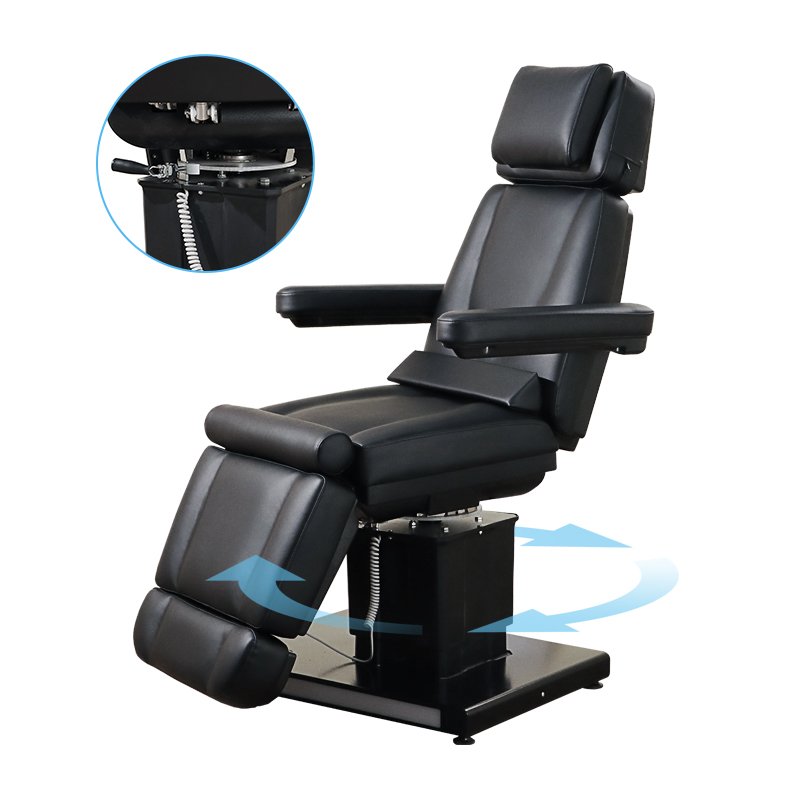
Electric vs. Manual Height Adjustment. Here’s the thing about manual tables: you have to crank them. Every time. Between every patient. After the first fifty patients of the week, that crank feels heavier than it should. An electric chiropractic table has a motor that does it in two seconds with a foot pedal. Sounds lazy, but when you’re adjusting twenty backs a day, those little moments add up. Your lower back will thank you in year five.
The Drop Mechanism — Not Just for Thompson. Even if you don’t use Thompson technique, a chiropractic drop table is useful. Those segmented sections let you do low-force adjustments on patients who are nervous or in acute pain. I’ve had patients walk in convinced they couldn’t be adjusted — and after a few gentle drops, they were regulars. It’s also easier on your hands.
Flexion Distraction — Worth It If You Treat Low Back. If you’re planning to treat disc herniations or sciatica, you need a table with flexion/distraction. The table separates at the middle section and gently stretches the lumbar spine. Patients love it because it feels good during the treatment, and they notice the difference walking out. If you’re a Cox practitioner, this is non-negotiable. If you’re not sure, start without it — you can always upgrade later.
Face Paper Dispenser — Small Thing, Big Difference. Sounds dumb to mention, but having a built-in face paper roll holder means you never have to walk across the room to grab paper between patients. Same with armrests that actually adjust. And the face cradle — I’ve seen people spend thousands on a table with a face cradle that digs into your patient’s forehead. Test it before you buy.
Electric Tables — Are They Actually Worth It?
I’ll keep this simple: if you can afford it, buy electric. An electric chiropractic table isn’t just a luxury — it changes how your day flows. You stand at a neutral height, the patient slides off easily, and you can tilt the sections without leaving your position.
I watched a colleague burning out after two years. Switched to an electric table. He said it added another year to his career. That might sound dramatic, but talk to any veteran chiropractor and they’ll tell you the same thing: your body takes the hit in this profession. Every ergonomic advantage matters.
Portable Tables — They’re Better Than They Used to Be
If you do mobile work, you already know the struggle: carrying a table up three flights of stairs, trying to set it up in a cramped apartment living room, and hoping it doesn’t collapse mid-treatment. Modern portable chiropractic tables are way better than the ones from ten years ago. They fold down to the size of a large suitcase, weigh under 30 pounds, and the foam doesn’t bottom out after six months.
But let’s be honest — a portable table will never feel as solid as a stationary one. The trade-off is mobility. If 30% of your income comes from house calls, buy a good portable table and never look back.
What People Actually Pay (2026)
| Type | If You Buy Direct (from China or Taiwan) | If You Buy From a US Distributor |
|---|---|---|
| Basic Portable Manual | $300 – $600 | $400 – $1,200 |
| Manual Drop Table | $800 – $1,500 | $1,200 – $2,500 |
| Electric 3-Section | $1,200 – $2,500 | $1,800 – $3,500 |
| Electric Flexion Distraction | $1,800 – $3,500 | $2,500 – $5,000 |
| Premium Electric (Drop + Flexion + Memory) | $2,500 – $4,000 | $3,500 – $6,000 |
The main difference between factory direct and US distributor pricing? Support. A US distributor will have a warehouse, a phone number you can call, and replacement parts in stock. Factory direct saves you 30-50% but if something breaks, you’re dealing with time zones and language barriers. Pick based on your tolerance for risk.
Related Guides
- Read our Electric Massage Beds Deep Dive for more information.
Final Take
The table you choose will be the most-used piece of equipment in your practice. Spend enough to get something your patients find comfortable and that doesn’t wear you out. Electric, with drop sections, and at least one flexion option — that’s the sweet spot for a general practice. If budget’s tight, start manual and upgrade within two years.
For more on treatment tables and adjustable beds, check out our therapy tables and beauty bed collection — they share a lot of the same build quality and design principles.