
Why Salon Suites Have Become a Viable Investment Model
For salon suite owners, this business model is driven by structural shifts in the beauty industry rather than short-term trends. More professionals are moving away from commission-based salons in favor of operating independent businesses with full control over pricing, schedules, and brand identity.
Salon suites align with this shift by separating service performance from ownership risk. Tenants operate their own businesses, while owners focus on providing compliant, functional spaces that generate predictable rental income. This separation is what makes the salon suite business attractive as a long-term investment rather than an operational gamble.
What Defines a Salon Suite Business Model
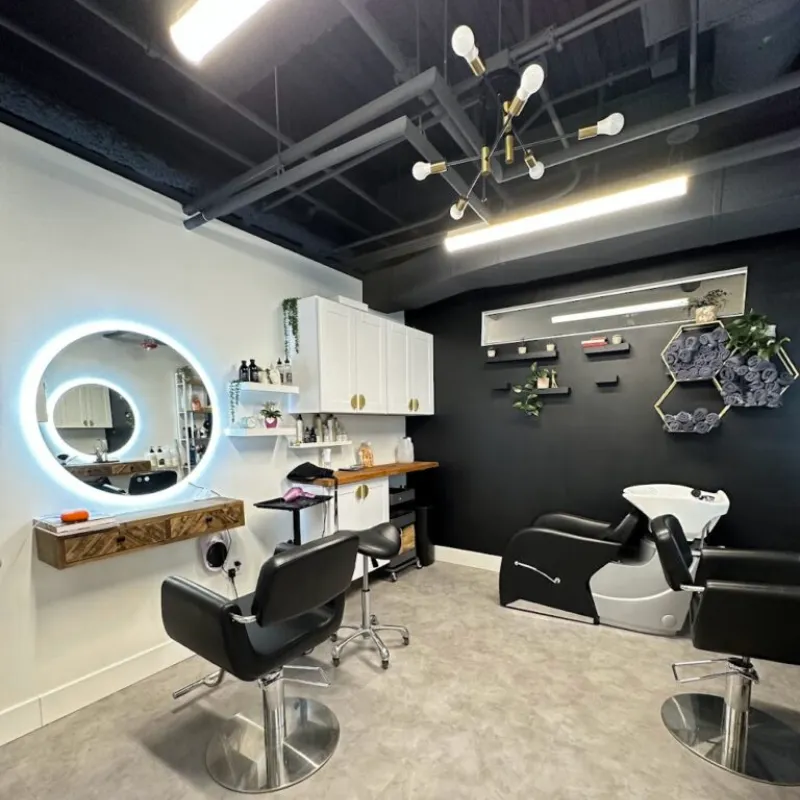
A salon suite is a private, fully built-out workspace leased to an independent beauty professional. Each suite functions as a self-contained mini salon, designed for immediate use without additional construction or shared operational dependency.
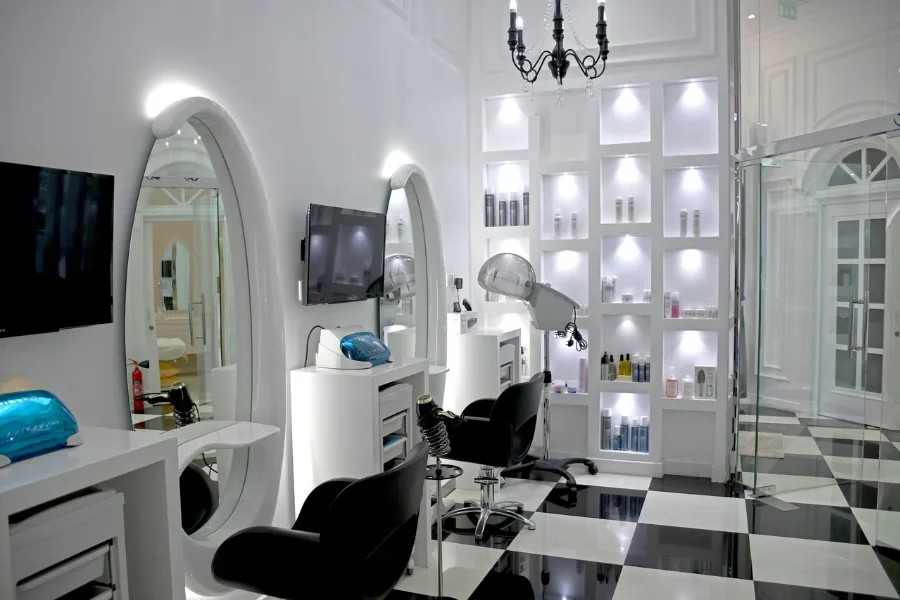
Unlike traditional salons, tenants are independent business owners rather than employees or commission-based contractors. Owners operate as commercial property managers instead of salon operators, and revenue is generated through fixed rent rather than variable service commissions. For salon suite owners, understanding this distinction is critical, as success depends far more on space design, durability, and leasing stability than on service trends or stylist performance.
Why Salon Suites Work for Owners Long Term
From an investment perspective, salon suites offer structural advantages that extend beyond short-term cash flow. Rental income remains stable because demand for personal care services is resilient across economic cycles. Risk is distributed across multiple tenants rather than concentrated in a single operating business.
The model is also highly replicable. Once layout standards, lease structures, and operating systems are proven, additional locations can be developed with predictable outcomes. Most importantly, salon suites attract experienced professionals who are invested in their own success, which supports longer lease terms, lower turnover, and stronger occupancy rates over time.
How to Launch a Salon Suite From Planning to Opening
Market Research That Reduces Risk
Start by measuring professional demand rather than consumer demand. If a market has a strong base of licensed beauty professionals but limited suite availability, leasing momentum is likely. If competitors maintain occupancy above 85 percent with waitlists, pricing pressure is usually sustainable. If vacancy is high, differentiation through space quality becomes essential. Clearly defining the target tenant profile early helps avoid costly layout and infrastructure mismatches later.
Building a Business Plan That Supports Leasing Stability
A salon suite business plan should prioritize long-term occupancy instead of optimistic rent projections. Financial modeling should include conservative lease-up timelines, ongoing maintenance reserves, and gradual rent adjustments rather than aggressive increases. If projected profitability depends on full occupancy within the first few months, underlying risk is likely underestimated.
Funding a Salon Suite Without Overextending Capital
Build-out costs vary widely, but common mistakes stem from underestimating infrastructure expenses rather than overbuilding finishes. If financing leaves little contingency, reducing scope is safer than compromising durability. Deferred maintenance costs often exceed the savings gained from cutting upfront investment.
Choosing a Location That Supports Long-Term Occupancy

Accessibility matters more than visibility. If clients cannot park easily or access the space comfortably, tenant retention suffers regardless of rent levels. When comparing similar locations, prioritize spaces that allow clean layouts with minimal structural compromises, as layout efficiency directly affects suite count and long-term revenue.
Designing Suites for Function, Durability, and Retention
Design decisions often determine long-term success. Suites smaller than 90 square feet tend to experience higher turnover, while suites exceeding 140 square feet without pricing differentiation reduce revenue efficiency. A balanced mix of suite sizes supports broader demand.
Each suite should include dedicated electrical capacity for professional equipment, durable flooring rated for chemical exposure, and ventilation suitable for all service types. Shared areas such as reception, hallways, and laundry facilities should be sized for daily traffic rather than visual impact. Congestion creates operational friction, while overbuilt common areas reduce leasable square footage without improving returns.
Manufacturers with direct salon project experience, such as Nova, often emphasize modular furniture systems and standardized workstation dimensions because they simplify maintenance, reduce replacement costs, and support future expansion.
Meeting Licensing and Compliance Requirements Early
Compliance delays increase costs. If permits and inspections are addressed after construction begins, timelines slip and financing pressure rises. When regulations are unclear, early consultation is essential. Retrofitting compliance features after build-out almost always costs more than doing it correctly from the start.
Setting Rental Rates That Balance Demand and Profitability
Rental pricing should reflect function rather than aspiration. Suites without in-suite plumbing or storage should be priced accordingly, while premium infrastructure and privacy justify higher rates. Flexible lease terms help stabilize early occupancy, but renewal structures must protect long-term income.
Filling Suites Before and After Opening
Pre-leasing reduces risk. If fewer than 30 percent of suites are committed before opening, marketing efforts should be intensified prior to launch. Clear visual communication through floor plans, renderings, and virtual tours significantly improves early commitments and shortens lease-up periods.
Operating a Salon Suite Without Daily Oversight
Managing Leases and Payments Efficiently
Standardized lease agreements prevent inconsistency and reduce disputes. Automated rent collection minimizes late payments and administrative workload. If rent collection requires constant manual follow-up, the issue is usually system-related rather than tenant-related.
Maintaining the Property Without Escalating Costs

Preventive maintenance is more cost-effective than reactive repairs. Establishing clear replacement cycles for furniture, fixtures, and equipment helps control long-term expenses. Commercial-grade furnishings designed for salon use generally last longer and reduce downtime, which is why many operators rely on manufacturers with long-term durability data rather than consumer-grade suppliers.
Building a Professional Tenant Community
Tenant retention improves when professionals feel supported rather than managed. Encouraging collaboration through shared communication channels or occasional professional events increases referrals naturally and strengthens the overall operating environment.
Using Technology to Simplify Owner Responsibilities
Management software should automate rent collection, maintenance requests, and communication. If technology adds steps instead of removing them, adoption will fail and administrative burden will increase rather than decrease.
Keeping Suites Leased in Competitive Markets
Digital visibility becomes most important during turnover periods. Strong local SEO ensures consistent inbound inquiries for salon suite owners operating in competitive regions. Offline efforts such as open houses and partnerships with beauty schools support long-term pipelines rather than immediate conversions. Retention incentives are most effective when tied to lease longevity instead of short-term discounts.
Common Ownership Challenges and How to Address Them
If tenant turnover is high, suite functionality should be reviewed before increasing marketing spend. If payments are inconsistent, automated enforcement should be implemented. Rising maintenance costs often indicate a need for standardized materials and clearer replacement schedules. As competition increases, differentiation through space quality and operational consistency becomes the primary advantage.
When and How to Scale a Salon Suite Portfolio
Expansion should follow stability. When occupancy remains above 90 percent with a waitlist and systems operate without daily intervention, replication becomes feasible. Scaling succeeds when layouts, equipment specifications, and operating processes are standardized. Over time, multiple locations function as a diversified asset portfolio rather than isolated businesses.
FAQ
What is the difference between salon suites and traditional salons
Traditional salons operate in open layouts using commission or chair-rental models. Salon suites provide private, self-contained spaces where professionals run independent businesses. Tenants pay fixed rent, control pricing and schedules, and keep all revenue, while owners focus on property management rather than daily salon operations.
How much initial investment is required
Initial investment varies by location, size, and build-out complexity. Costs typically range from tens of thousands to several million dollars, covering property acquisition or leasehold improvements, construction, equipment, permits, and initial marketing. Conservative planning should also include contingency funds and early operating reserves.
What is the primary revenue source for salon suite owners
Rental income from leased suites is the primary revenue source. Long-term profitability depends on stable occupancy, disciplined pricing, and controlled operating costs. Some owners add limited supplemental income through shared amenities or services, but rent remains the core driver of financial performance.
Is beauty industry experience required
Beauty industry experience is not required. Salon suite owners typically act as commercial property managers rather than salon operators. With standardized leases, defined operating systems, and optional on-site support, day-to-day operations can be managed without hands-on involvement in beauty services.
How can high occupancy be maintained
High occupancy relies on retention as much as leasing. Consistent maintenance, responsive communication, and a professional environment reduce turnover. Ongoing marketing, tenant feedback, and community-building efforts help identify issues early and keep suites competitive in crowded markets.
Related Products for Your Salon Business
Browse our professional-grade salon equipment at factory-direct wholesale prices: