
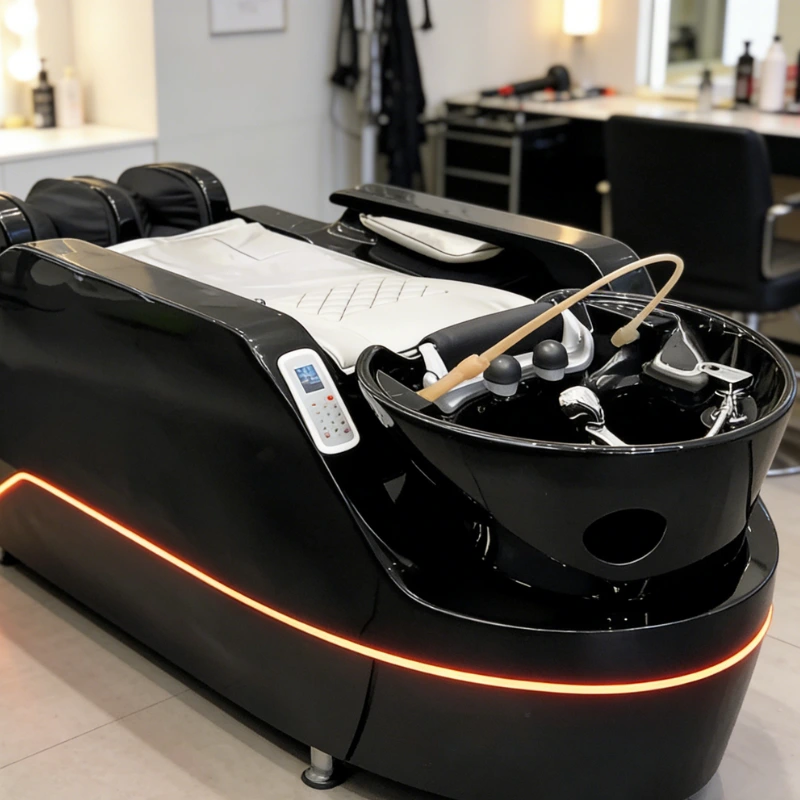
Why Many Salon Problems Start at the Shampoo Station
Many salons focus on styling stations, lighting, or décor when upgrading their space.
However, operational issues often begin at the shampoo area — slow turnover, staff fatigue, inconsistent service flow, and client discomfort.
During peak hours, when multiple stations run simultaneously, even small inefficiencies at the shampoo station create visible delays.
The shampoo chair is not just seating. It is a high-frequency workstation that affects workflow, service quality, and long-term operating cost.
Choosing the right system improves daily operations. A poor choice creates friction that compounds over time and becomes difficult to correct after installation.
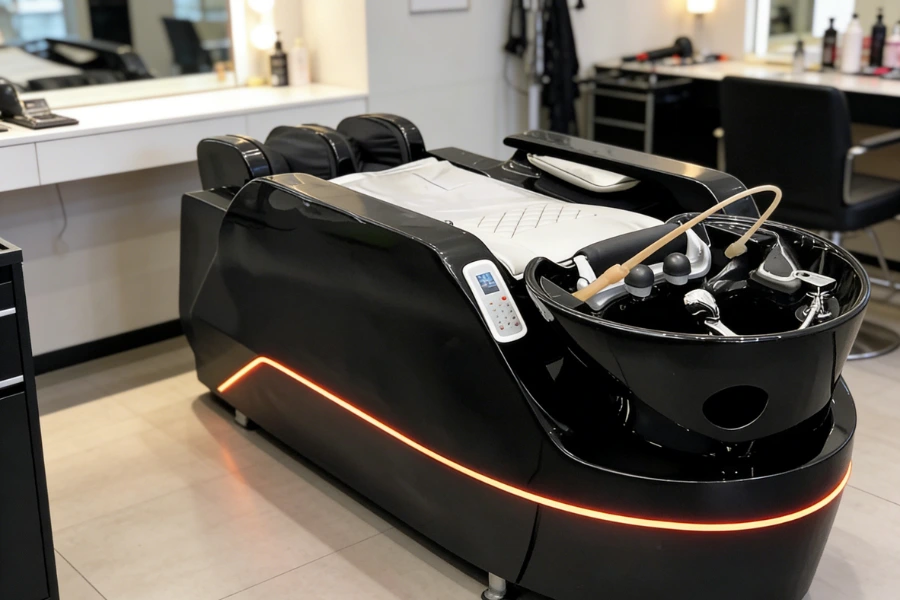
How Shampoo Chairs Impact Daily Salon Operations
Workflow and Service Speed
A poorly configured shampoo chair slows down every step of service.
- Limited recline range forces repositioning
- Rigid hoses interrupt rinsing flow
- Slow drainage creates bottlenecks
In a busy salon with continuous appointments, a 60–90 second delay per client can reduce total daily capacity by several service slots.
A well-designed system reduces repositioning, shortens rinse time, and keeps transitions between clients consistent.
Ignoring workflow efficiency often results in longer queues and reduced revenue during peak periods.
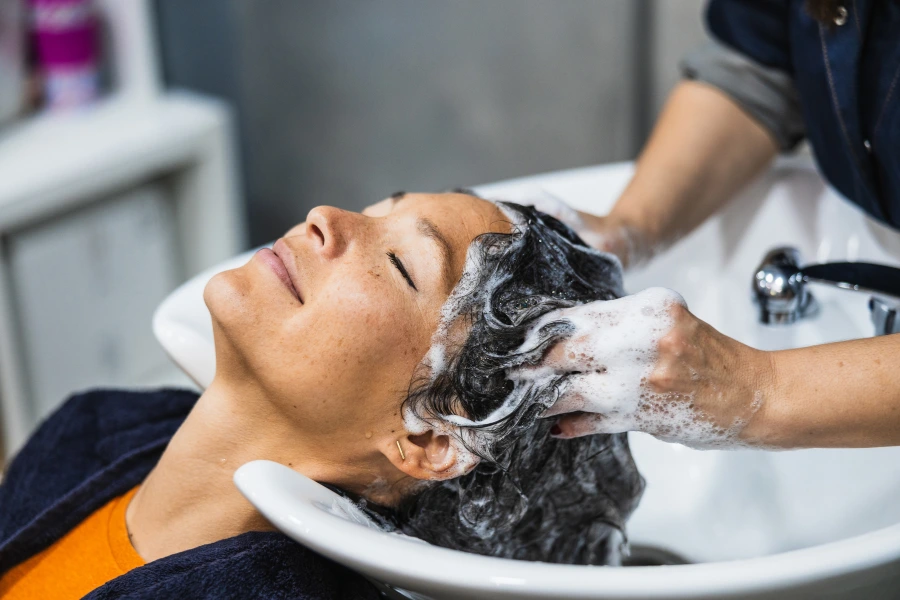
Reducing Stylist Fatigue and Injury Risk
Shampooing is one of the most repetitive tasks in a salon.
If the chair height or angle cannot be adjusted:
- Stylists bend forward repeatedly
- Shoulders remain under constant strain
- Neck and lower back fatigue builds across the day
Over time, this increases the risk of chronic discomfort and absenteeism.
Adjustable height, controlled recline, and flexible headrests allow stylists to maintain a neutral posture.
If these features are missing, posture compensation becomes unavoidable, which directly affects both productivity and staff retention.
How Comfort Affects Client Retention
The shampoo stage often shapes the client’s first impression.
Common issues include:
- Neck pressure from poorly positioned headrests
- Instability during reclining
- Water temperature fluctuations
For example, if a client needs to adjust their position multiple times during a wash, the experience feels rushed and uncomfortable.
A stable, supportive chair reduces movement during service and improves relaxation.
This consistency directly influences repeat visits and overall satisfaction.
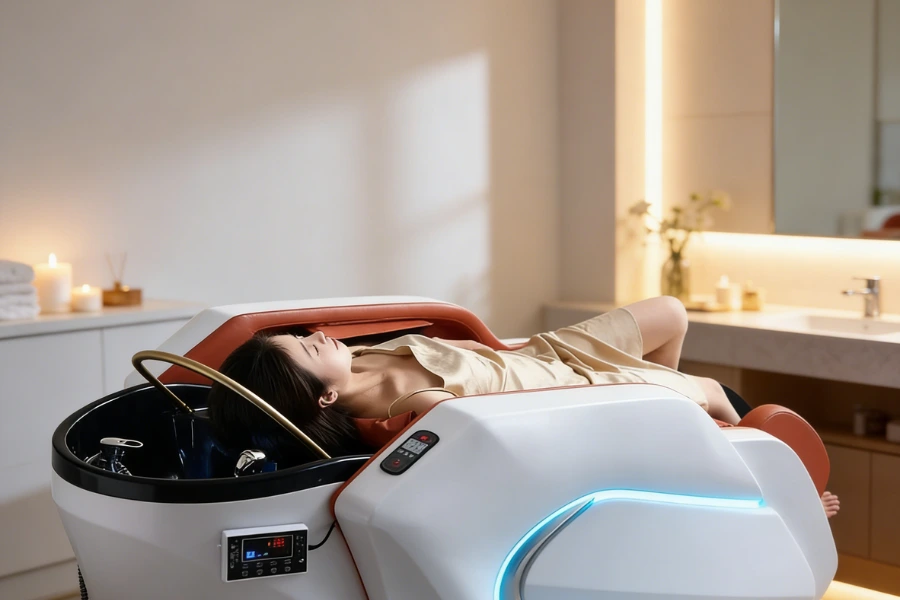
Reducing Maintenance Time and Downtime
Shampoo chairs operate in a demanding environment — constant water exposure, chemicals, and frequent cleaning.
If materials are not suitable:
- Upholstery may crack or absorb residue within 12–18 months
- Frames can corrode in humid conditions
- Moving parts require frequent servicing
These issues increase downtime and disrupt scheduling.
Durable materials and easy-clean surfaces reduce turnaround time between clients and extend service life.
Choosing the wrong material often leads to higher replacement costs and repeated service interruptions.
Brand Image — Secondary but Still Visible
Visual consistency supports brand identity, but only after function is resolved.
Chairs that align with the salon’s design contribute to a cohesive environment.
However, prioritizing appearance over usability often leads to operational compromises that affect daily performance.
How to Choose Shampoo Chairs Based on Your Salon Needs
Comfort and Ergonomics — What Actually Matters
Comfort defines how long clients can remain relaxed and how efficiently stylists can work.
Focus on:
- High-density or memory foam that maintains shape over time
- Multi-directional headrests that adjust for different client heights
- Recline angles that support both quick washes and longer treatments
For salons offering color or scalp services, clients may remain in position for extended periods.
If support is insufficient, discomfort becomes noticeable and affects the perceived quality of service.
Materials and Durability — What Lasts in Real Use
Material selection determines how often equipment needs to be replaced.
Recommended baseline:
- Powder-coated steel frame for structural stability
- Medical-grade vinyl upholstery resistant to disinfectants
- Hydraulic lift systems designed for repeated use
Avoid materials that degrade under frequent cleaning.
In high-volume salons, choosing lower-grade upholstery often results in visible wear within the first year, requiring early replacement.
Features — Choose Based on Your Service Type
Different salons require different configurations.
- Choose manual recline if adjustment frequency is low and service volume is moderate
- Choose electric recline if multiple adjustments are required throughout the day
- Choose integrated temperature control if several stations operate simultaneously
Selecting features that do not match your workflow increases adjustment time and reduces efficiency.
Plumbing and Water Control — Often Overlooked but Critical
Plumbing compatibility determines whether the shampoo station performs consistently.
Check:
- Water pressure stability during peak usage
- Compatibility with existing hot and cold lines
- Drainage speed under continuous use
Inconsistent temperature or pressure forces stylists to pause and readjust during service.
Systems with stable temperature control reduce interruptions and improve client comfort.
Incorrect plumbing integration is one of the most common causes of performance issues after installation.
Layout and Spacing — Avoid Workflow Bottlenecks
The shampoo area must support movement, not restrict it.
Consider:
- Clearance behind the chair for stylist positioning
- Full recline space without blocking walkways
- Hose and plumbing alignment to avoid interference
If spacing is too tight, stylists compensate by adjusting posture instead of position, which reduces efficiency.
As a practical reference, spacing should allow unobstructed movement around the chair without requiring repositioning during service.
For salons with limited space or non-standard layouts, suppliers such as NovaBeauty can provide configurable systems that better align equipment with spatial constraints.
Safety and Compliance — Avoid Risk and Liability
Safety should be verified before purchase.
Check:
- Electrical safety and proper grounding
- Ease of control operation
- Stability during client entry and exit
If safety requirements are overlooked, the risk extends beyond discomfort to potential liability issues during daily operation.
Budget and Warranty — Focus on Long-Term Value
Initial price does not reflect total cost.
Evaluate:
- Expected lifespan under daily use
- Warranty coverage for structural and mechanical components
- Maintenance frequency and repair accessibility
Lower-cost equipment often requires earlier replacement, which increases long-term expenditure.
A higher-quality chair reduces operational disruption and stabilizes performance over time.
A Practical Buying Process That Reduces Mistakes
Step 1 — Assess Space and Infrastructure
Measure available space and confirm plumbing positions.
If these constraints are not defined early, installation issues are likely to occur.
Step 2 — Define Operational Priorities
Clarify your service type and client profile.
- High-volume salons prioritize efficiency and durability
- Premium salons prioritize comfort and experience
Choosing without clear priorities often leads to mismatched features.
Step 3 — Filter Options Using Baseline Criteria
Eliminate any models that do not meet essential requirements:
- Structural stability
- Cleanable materials
- Reliable adjustment systems
Skipping this step increases the risk of selecting equipment that cannot support daily use.
Step 4 — Test Under Real Conditions
Simulate a shampoo process with your team.
Observe:
- Stylist posture during use
- Ease of adjustment
- Client comfort
If frequent repositioning is required, the chair will slow down service in real conditions.
Step 5 — Evaluate Supplier Support
Ask technical questions before purchase.
Response quality reflects after-sales support.
Delayed or unclear answers often indicate limited service capability.
Manufacturers such as NovaBeauty typically offer OEM and project-based support, which is useful for salons planning multi-unit installations or customized layouts.
Step 6 — Confirm Installation Scope
Clarify responsibilities for:
- Plumbing integration
- Equipment setup
- Calibration
Improper installation often results in performance issues even when the equipment itself is well designed.
Step 7 — Review Warranty and Documentation
Ensure all specifications, certifications, and warranty terms are clearly documented.
Lack of documentation increases risk if repairs or replacements are needed later.
Conclusion — A Long-Term Decision, Not Just a Purchase
Shampoo chairs influence workflow, staff well-being, and service consistency.
A well-matched system reduces operational friction and supports long-term stability.
A poor choice introduces inefficiencies that are difficult to correct after installation.
Approaching this decision with clear operational priorities, realistic usage scenarios, and proper evaluation leads to more reliable outcomes.