
Every week, someone emails asking which head spa bed to buy. The plumbing question trips everyone up — should I get one that hooks into my building’s water, or one that runs on its own tank? Do I even need plumbing at all?
I’ve been through this with enough salon owners to give you the straight answer. Here’s what actually matters.
The Three Types — Plain English
Japanese head spa beds come in three flavors:
- Plumbed — Connects to your salon’s water supply and drain. Professional setup, permanent install. Most US salons end up here.
- Non-plumbed (portable with tank) — Has its own water tank. Fill it manually, drain it manually. No installation needed. Great for rental suites and mobile.
- Portable (no water features) — Just a bed with a basin. Bring your own water in a pitcher. Bare minimum — works for scalp massage only, not full head spa treatments.
The mistake I see most often: people buy a non-plumbed bed thinking they’ll “upgrade later.” Then they’re stuck filling and dumping 5 gallons of water per client, and they never upgrade because the bed still works. Get the right one the first time.
Plumbed — What You Need to Know
This is what 80% of US salon owners end up buying after their first year. The bed connects to your hot and cold water lines, and the wastewater goes into your drain. It’s the same as installing a sink or shampoo bowl. That permanent setup is what a u-shape water massage backwash unit with cover pillow is built for — water circulates, heats, and drains without refilling.
You’ll need:
- Hot and cold water access within 6-8 feet
- A floor drain or existing sink drain nearby
- A plumber if you can’t do it yourself (usually $200-$500)
The upside: you never fill or empty anything. The water circulates, heats automatically, and drains. You focus on the treatment, not the logistics. Most head spa therapists can do 6-8 clients a day with a plumbed setup. With non-plumbed, you’re lucky to hit 4.
Non-Plumbed — When It Makes Sense
Non-plumbed beds have a built-in water tank — usually 3-5 gallons. You fill it with hot water before each client, and it pumps through the system for the scalp treatment. Wastewater collects in a separate tank that you empty after each session. The higher-end tank models go further: a japanese head spa bed with steam therapy pairs the reservoir with built-in steam and color light.
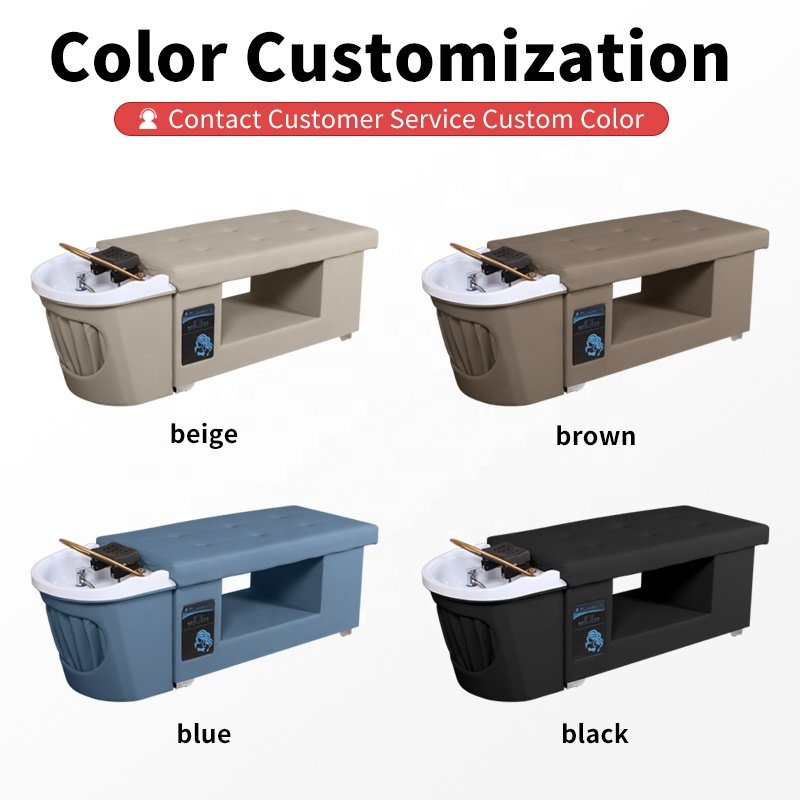
This works well for:
- Salon suites where you can’t modify plumbing
- Mobile estheticians doing house calls
- Starting out with a lower upfront cost
The downsides: you’re hauling water. Every client. Fill 5 gallons, heat it up, do the treatment, drain 5 gallons. If you have a heavy day with 6 clients, that’s 30 gallons of water you’re handling by hand. And the water temperature depends on what you put in — there’s no built-in heater in most non-plumbed models.
Portable — Who Is This Actually For?
Portable head spa beds are basically a chair with a removable basin. No tank, no pump, no water circulation. You pour warm water from a pitcher over the client’s hair and let it drain into a bucket. If you want exactly that trial setup, a portable head massage spa sink with chair packs the basin and chair into one movable unit.
I’ll be honest — this is for one specific use case: you want to test if head spa services will sell before investing in real equipment. Or you’re a mobile stylist who does head massage as an add-on, not a primary service.
For anyone planning to offer head spa as a real revenue stream, go non-plumbed at minimum. Portable will frustrate you within a month.
Price Comparison
| Type | Factory Direct | Installed Cost | Best For |
|---|---|---|---|
| Plumbed (water circulation) | $1,500-$3,500 | $1,700-$4,000 | Permanent salons, high volume |
| Non-plumbed (tank) | $500-$1,500 | $500-$1,500 | Rental suites, mobile, startups |
| Portable (basin only) | $200-$500 | $200-$500 | Testing the market, add-on service |
Water Circulation — Why It Matters
Japanese head spa treatments rely on warm, circulating water over the scalp. The water temperature and flow are part of the experience. A plumbed bed with a circulation pump maintains consistent temperature through the whole treatment. Non-plumbed beds with pumps do OK, but the water cools faster since you’re working from a fixed tank volume.
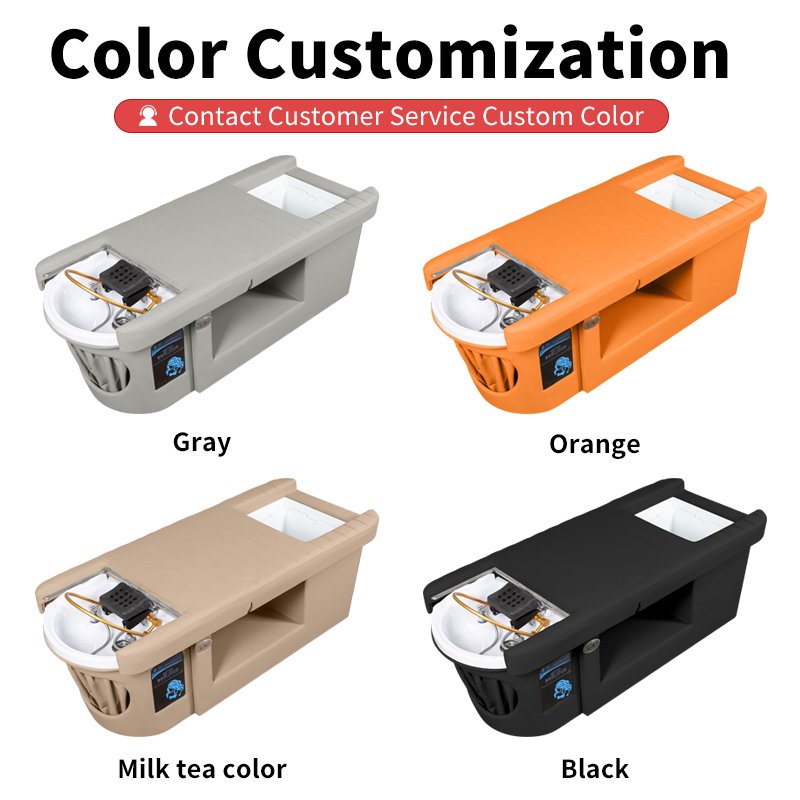
If you’re serious about head spa, get a plumbed model with water circulation. The difference in client experience is noticeable. A friend of mine started with non-plumbed and switched within three months — she said the clients who had experienced proper water circulation never came back to the tank version.
What US Salon Owners Actually Choose
From what I’ve seen across hundreds of orders:
- New buildout, own space: Plumbed with water circulation. No question.
- Rental suite / booth rent: Non-plumbed. You can’t modify the space.
- Mobile esthetician: Non-plumbed portable with wheels.
- Adding head spa to existing salon: Plumbed if you have nearby plumbing, non-plumbed if you don’t.
Frequently Asked Questions
Can I install a plumbed head spa bed myself?
If you’re handy with basic plumbing, yes. The connections are standard 1/2 inch NPT. If you’ve installed a sink or dishwasher, you can handle this. Otherwise budget $200-$500 for a plumber.
How long does a non-plumbed head spa bed stay warm?
With a 5-gallon tank of hot water (110-115°F), you get about 20-25 minutes of comfortable treatment temperature before it starts cooling. Some models have inline heaters that help maintain temperature.
Do Japanese head spa beds work without plumbing?
Yes — non-plumbed models with self-contained water tanks are specifically designed for spaces without direct plumbing. You fill manually and drain after each client.
What’s the best option for a mobile head spa business?
A portable non-plumbed head spa bed with wheels and a 3-5 gallon water tank. Light enough to transport, no plumbing needed, and still gives real water circulation for scalp treatments.
Bottom Line
If you have permanent space and plumbing access, get plumbed. If you’re in a rental or mobile, get non-plumbed. Don’t buy portable unless you’re just testing the waters. And whatever you choose, make sure it has water circulation — that’s what separates a head spa from a shampoo bowl.
Browse our head spa bed collection for plumbed and non-plumbed options. Check shampoo beds for more traditional setups. Our Head Spa Bed Complete Guide covers more details on features and pricing.
Related Guides
- Non-Plumbed Head Spa Bed Options — deep dive on tank-based systems.
- Head Spa Machine Buying Guide — covers steam, moxibustion, and combination units.
- Head Spa Bed vs Shampoo Chair — if you’re deciding between the two.
For the full buying picture, see our japanese head spa bed guide before choosing.