
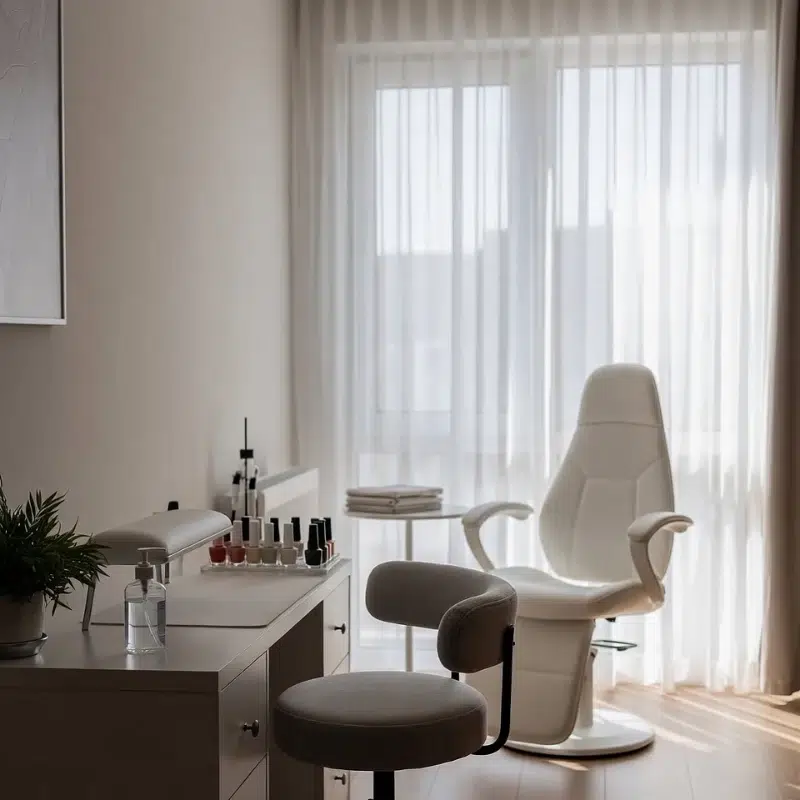
Opening a nail salon at home can be a smart move, but only when the decision is grounded in reality. A stress-free setup is not about doing everything at once. It is about making fewer, better decisions from the start.
This guide focuses on what actually reduces pressure over time, from compliance and space planning to equipment and daily operations.
Start With the Right Question, Is a Home Nail Salon Right for You
A home nail salon works best for professionals who value control over volume. If your business depends on walk-in traffic, back-to-back bookings, or rapid scale, a residential setup will create friction rather than freedom.
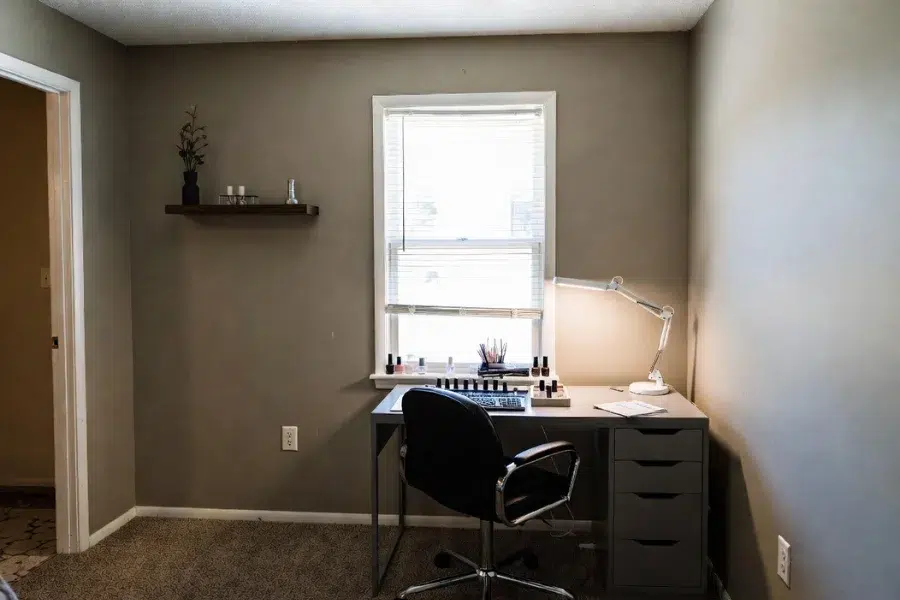
If you cannot control appointment density, enforce clear boundaries with clients, or say no to last-minute requests, a home salon will feel restrictive instead of stress-free. The decision to work from home is often less about what you want to do, and more about what you are willing not to do.
Home salons are best suited for appointment-only services, clients who value privacy, and technicians who prefer predictable schedules. Stress-free operations begin by aligning your business model with the limits of your space, not by pushing against them.
Understand the Legal and Licensing Baseline Before You Invest
Core Licenses Most Home Nail Salons Require
Most regions require a valid business license and a nail or cosmetology license, even when operating from home. Some local authorities also require a home salon permit, especially when clients regularly visit the property.
Licensing requirements vary, but uncertainty at this stage often leads to forced adjustments later, after money has already been spent.
Zoning and Health Rules That Create the Most Problems Later
Zoning restrictions are one of the most common reasons home salons are asked to modify or pause operations. Limits on client frequency, parking impact, or visible commercial activity are often enforced after complaints, not at launch.
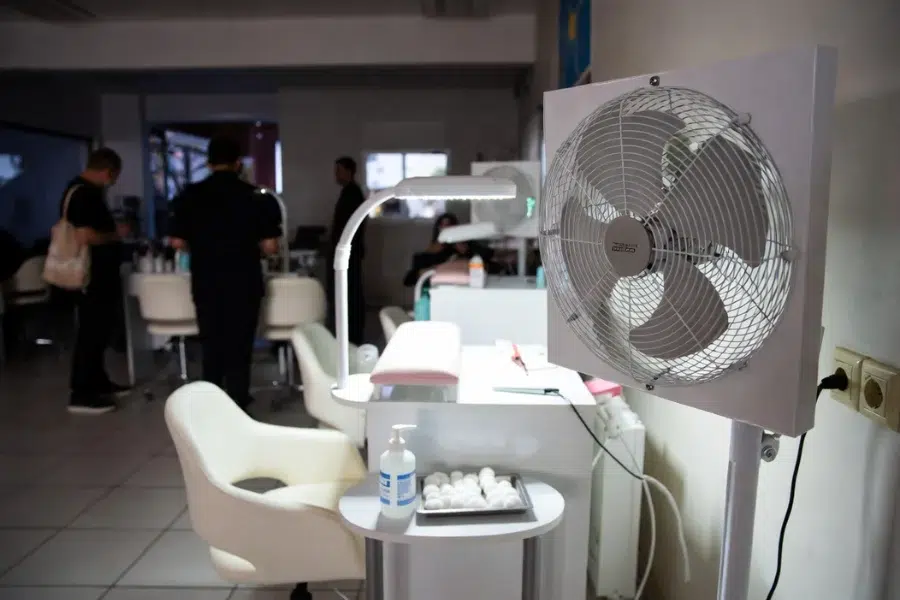
Health inspections tend to focus on ventilation, sanitation workflow, and waste disposal. Ventilation is especially easy to underestimate, and it is one of the most common reasons initial inspections do not pass on the first attempt.
Understanding what inspectors prioritize helps prevent costly rework.
Insurance Is Not Optional in a Residential Setting
Working from home increases personal liability exposure. Public liability insurance and professional liability coverage protect both your business and your household.
In a shared living environment, insurance is not a formality. It is a safeguard against risks that extend beyond the treatment room.
Plan the Business Around Home Constraints, Not Salon Assumptions
Define a Target Client That Fits a Home Environment
Home salons work best with clients who book in advance, arrive on time, and respect a one-on-one service model. This reduces overlap, interruptions, and unnecessary pressure on the space.
Clients seeking speed, social interaction, or flexible walk-ins are often better served by traditional salons.
Pricing for Sustainability, Not Speed
Pricing should reflect not only service time, but also preparation, sanitation, and recovery between appointments. In a home environment, underpricing often leads to compressed schedules and blurred boundaries.
Sustainable pricing supports a manageable pace and consistent service quality.
Budget With Fewer Surprises
Startup costs typically include equipment, licensing, and basic space preparation. Ongoing costs often include product replenishment, insurance, and maintenance.
Ventilation upgrades, ergonomic furniture, and storage solutions are frequently underestimated, yet they directly affect daily comfort and long-term viability.
Choose and Set Up a Space That Reduces Daily Friction
Separation Matters More Than Size
Clear separation between living and working areas reduces both mental and operational strain. A dedicated room, basement, or converted garage creates boundaries that clients and family members can respect.
Without separation, even a well-designed space can feel intrusive over time.
Non-Negotiable Space Requirements
Reliable lighting supports detailed work. Proper ventilation reduces chemical exposure. Adequate power outlets prevent unsafe workarounds. Easy-to-clean surfaces simplify hygiene routines.
These factors matter more than square footage or decoration.
Accessibility and Client Flow
Clients should reach the workspace without passing through private living areas. Clear entry and exit paths improve comfort and reduce disruption.
If stairs are involved, consider how this affects clients with limited mobility and whether alternative arrangements are necessary.
Select Equipment That Works Long-Term in a Home Setting
Core Equipment You Actually Use Every Day
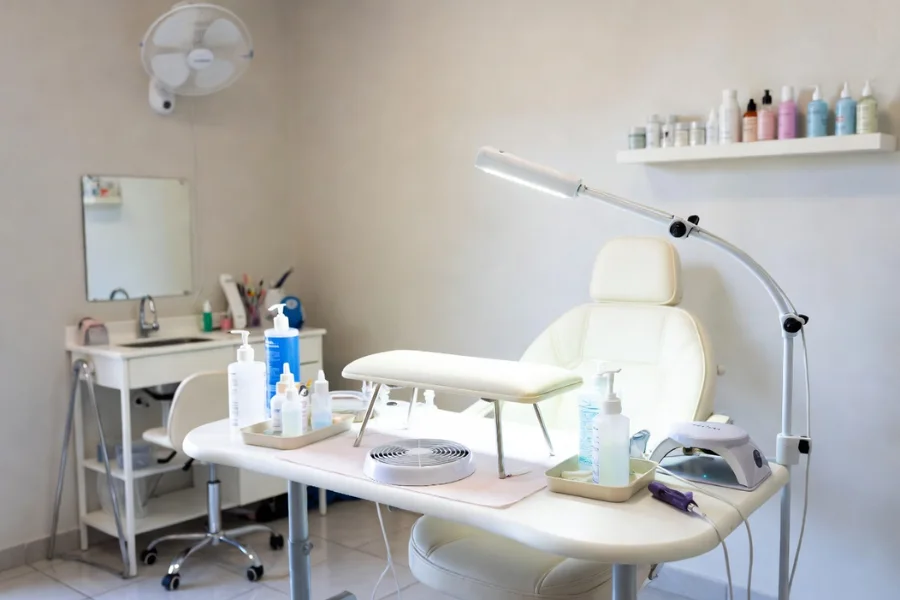
A stable manicure table, a supportive client chair, a reliable LED or UV lamp, and a consistent sterilization system form the operational core. These items influence posture, efficiency, and cleanliness every day.
Why Ergonomics Matter More at Home
In a home salon, there is no backup room, no rotation of stations, and no shared workload. Every piece of equipment is used repeatedly, often for long sessions, without relief.
Poor ergonomics compound quickly in this setting. Adjustable seating, proper table height, and stable surfaces are not comfort upgrades, they are risk controls.
When Compact or Modular Equipment Makes Sense
Mobile tables, modular storage, and multi-use furniture allow flexibility without clutter. Compact solutions are especially valuable when a space must support both professional and personal use.
Professional manufacturers such as Nova design modular equipment that adapts well to constrained environments, which can reduce the need for future replacement.
Set Up Operations That Protect Your Time and Energy
Appointment Control Is Stress Control
Clear booking rules, buffer time between clients, and deposit policies reduce no-shows and overbooking. Predictability protects both income and energy.
Simple Hygiene Systems That Scale
Effective hygiene relies on repeatable steps. Tool sterilization, surface cleaning, and waste disposal should follow the same process for every client.
Systems that are easy to maintain are more reliable than idealized routines.
Inventory Without Overbuying
A focused color selection reduces waste and storage pressure. Neutral shades support year-round demand, while seasonal colors rotate in smaller quantities.
Market Quietly and Consistently Without Overexposing Your Home
Local Visibility Without Publishing Your Address Everywhere
Online listings improve discovery, but residential addresses do not need to be public on every platform. Sharing location details only after booking helps protect privacy.
Social Media as Proof, Not Pressure
Social platforms work best as visual portfolios. Consistent posting builds trust without requiring constant promotions or personal exposure.
Retention Beats Constant Promotion
Repeat clients reduce marketing effort and stabilize scheduling. Reliable service, clear communication, and consistent results encourage referrals naturally.
A Stress-Free Home Nail Salon Is Built on Fewer Decisions, Not More
The most successful home nail salons are not overdesigned or overpromoted. They are intentional.
Clear boundaries, compliant operations, and realistic equipment choices reduce daily friction. Stress-free does not mean effortless. It means planning once, executing consistently, and avoiding decisions that create long-term pressure.
FAQ
How much does it cost to start a nail business at home?
Starting a home nail salon typically costs from several hundred to a few thousand dollars. Expenses include professional equipment, ventilation improvements, licensing fees, and insurance. While rent is avoided, long-term comfort and compliance still require thoughtful upfront investment.
Is it legal to run a nail salon from home?
In many locations, yes, but requirements vary. Most areas require a business license and nail technician or cosmetology license. Some also require zoning approval or a home salon permit. Verifying local rules early helps prevent interruptions after your business is established.
Is a home nail salon suitable for walk-in clients?
Home nail salons are best operated by appointment only. Walk-in traffic can cause privacy concerns, scheduling conflicts, and zoning issues in residential areas. Controlled bookings help maintain boundaries, protect personal space, and reduce daily operational stress.
What space requirements matter most for a home nail salon?
Clear separation from living areas, reliable lighting, proper ventilation, and easy-to-clean surfaces are more important than room size. Client access should avoid shared household spaces to maintain privacy and create a professional, comfortable experience.
How can I reduce no-shows and last-minute cancellations?
Clear booking policies, buffer time between appointments, and partial prepayments set expectations in advance. Consistent rules protect your schedule, reduce emotional strain, and create a more predictable workflow in a home-based environment.
What equipment matters most for long-term comfort?
Ergonomic seating, stable manicure tables, adjustable lighting, and reliable sanitation systems are essential. In a home salon, equipment is used continuously without rotation, making durability and physical support critical for long-term comfort and sustainability.
Related Products for Your Salon Business
Browse our professional-grade salon equipment and furniture at factory-direct wholesale prices:
Shop All Salon Equipment | Get Wholesale Quote
From Home Setup to Storefront: Salon Business Planning Essentials
Opening a salon is an exciting venture, but the difference between a thriving business and a short-lived one often comes down to preparation. Whether you are converting a spare room, leasing a commercial suite, or driving to client homes, your business foundation must be solid. This guide walks you through practical planning, realistic budgeting, and equipment sourcing for US-based beauty professionals.
Mapping Your Path: The Business Plan Basics
Before you order a single styling chair, you need a roadmap. A strong plan helps you qualify for small business loans, attract potential partners, and keep your spending aligned with your revenue goals.
- Executive summary: Define your service menu, your target neighborhood clientele, and your unique selling point (e.g., eco-friendly products, extended hours, bridal specialties).
- Market analysis: Research local competitors and average service pricing in your zip code.
- Financial projections: Estimate monthly fixed costs (rent, utilities, insurance) and variable costs (color, foils, disposables).
- Marketing strategy: Outline how you will fill your books—Instagram reels, Google Business profile, referral discounts, or local partnerships.
If you are serious about growth, write a hair store business plan that also covers retail inventory. Selling take-home shampoo, brushes, and styling tools can boost your profit margin by 15–20% without adding significant labor hours. Keep this section specific: list your top five retail SKUs and their wholesale costs.
Similarly, a business plan for hairdressing salon operations should include a staffing section. Even if you start solo, define your hiring timeline, pay structure (commission vs. hourly), and training procedures for assistants. This clarity prevents headaches when you are ready to expand to a second chair.
Crunching the Numbers: What It Really Costs
Let us talk about the cost to open a salon. While figures vary wildly by city and space condition, breaking down your startup budget into categories prevents sticker shock.
- Lease & deposit: First month rent plus a security deposit often equals 2–3 months of rent upfront.
- Renovation & plumbing: Shampoo bowls require specific drain lines. If your space lacks them, budget for a licensed plumber.
- Equipment (new or used): Styling chairs, dryers, trolleys, and reception furniture. Nova offers wholesale pricing with sample orders available (MOQ 1 unit) so you can test ergonomics before a bulk buy.
- Licensing & permits: State cosmetology license, local business permit, and salon establishment license.
- Insurance: General liability and property insurance are non-negotiable for leased spaces.
- Initial inventory: Color lines, lighteners, gloves, capes, and retail stock.
A realistic starting range for a modest two-station salon is $25,000 to $60,000, excluding rent. To reduce upfront expenses, prioritize must-haves first: a reliable hydraulic styling chair (Nova models support up to 300kg), a sturdy shampoo chair, and good lighting. You can always add a facial steamer or pedicure throne later.
The Mobile Route: A Lower-Cost Alternative
If leasing a brick-and-mortar space feels too risky, consider taking your services on the road. Learning how to start a mobile hair salon is a practical way to build a loyal clientele with minimal overhead. You skip rent and utilities, but you gain new logistics.
- Vehicle choice: A van or SUV with fold-flat seats gives you room for a portable styling chair and a collapsible sink.
- Portable equipment: Invest in a lightweight, foldable styling chair and a battery-operated cordless clipper setup. For color services, a portable shampoo basin with a 5-gallon water tank is essential.
- Insurance & permits: Some states require a mobile salon license in addition to your cosmetology license. Check your local health department rules.
- Scheduling software: Use an app that lets you manage travel time between appointments and collect deposits to reduce no-shows.
- Weight capacity: Even mobile equipment must be reliable. Choose chairs rated for at least 300kg so you are covered for all body types.
One major advantage of a mobile unit is that you can test multiple neighborhoods before committing to a lease. You build a referral base in affluent areas, corporate districts, or senior living communities—wherever demand is highest.
Equipment Sourcing: Wholesale Tips for New Owners
Whether you choose a fixed location or a mobile setup, your equipment buying strategy matters. Here are practical guidelines from our wholesale experience supplying US salons.
- Start with a single station: Buy one high-quality hydraulic chair and one dryer. As your booking rate fills, add a second station from the same series so your salon looks cohesive.
- Check voltage early: All Nova electrical equipment is built for 110V US standard outlets. If you buy from overseas marketplaces, you risk needing a transformer.
- Ask about CE certification: For leased commercial spaces, your landlord or inspector may require CE-certified electrical components. We offer CE-certified electrical options on many models—request this at quote time.
- Plan for lead time: Standard production takes 10–15 days from order confirmation. If you are opening on a fixed date, order your chairs and beds at least three weeks ahead.
- Use DDP shipping: For larger orders, DDP (Delivered Duty Paid) means the freight, customs clearance, and final delivery fees are handled upfront. No surprise charges when the truck arrives.
- Warranty reality check: A 1-year warranty is standard for hydraulic pumps and motors. Avoid “lifetime” claims from unknown importers—they rarely honor them.
Frequently Asked Questions
Q: Do I need a separate business plan if I am only doing mobile services?
A: Yes. A mobile plan focuses on route density, travel time costs, and vehicle maintenance. Your business plan for hairdressing salon operations might include a section on how you will transition from mobile to storefront once your client list hits a certain threshold.
Q: What is the single biggest hidden cost when calculating the cost to open a salon?
A: Plumbing and electrical rough-ins. Many new owners budget for decor and chairs but forget that shampoo bowls need hot water lines and floor drains. Always get a contractor quote for your specific suite before signing a lease.
Q: Can I buy just one chair to test quality before outfitting a full salon?
A: Absolutely. Nova allows sample orders with a minimum order quantity of just 1 unit. Order one styling chair, use it for a few weeks with real clients, and then place a bulk order for your remaining stations. This way you verify comfort and durability before spending your full equipment budget.
Q: If I want to learn how to start a mobile hair salon, what equipment is non-negotiable?
A: A stable, lightweight chair with a 300kg weight rating, a portable shampoo basin with a spray hose, a large mirror that mounts to a wall or door, and a rolling cart for your tools and color. Skip heavy electric recliners—they drain your vehicle battery and take up too much cargo space.
Q: Should I write a hair store business plan separately from my service plan?
A: If retail will be more than 10% of your revenue, yes. A separate retail plan helps you track inventory turnover, shrinkage, and which products your clients actually repurchase. Keep it simple: a one-page spreadsheet with monthly sales targets is enough to start.
Q: What is the fastest way to lower my startup costs without sacrificing quality?
A: Buy equipment with fewer motors. A basic hydraulic chair with a manual backrest adjustment costs less and has fewer parts to fail than a 5-motor electric recliner. For a first salon, two or three motors is plenty for daily styling and shampoo services.
Ready to outfit your first studio or mobile rig? Explore Nova’s wholesale collection of salon chairs, dryers, and reception furniture designed for the US market—with 110V wiring, 1-year warranty, and DDP shipping available on qualifying orders. Start with one sample unit, test it with your clients, and scale up with confidence.