
Why Face Shape Should Guide Every Haircut Decision
Many clients bring reference photos and expect the same result. In practice, the outcome often differs because face shape determines how a haircut frames the face.
The right haircut improves proportion, balance, and overall perception. It can influence how a client is perceived in terms of confidence, professionalism, and age before any interaction begins.
For stylists, haircut design is not about trends. It is a structured decision process used during consultation to evaluate facial structure, define visual goals, and avoid proportion mistakes before cutting begins.

Step 1 — How to Identify Your Client’s Face Shape Accurately
Accurate identification is the starting point for every haircut decision. If the face shape is misread, even well-executed cuts can produce inconsistent results.
The Six Common Face Shapes
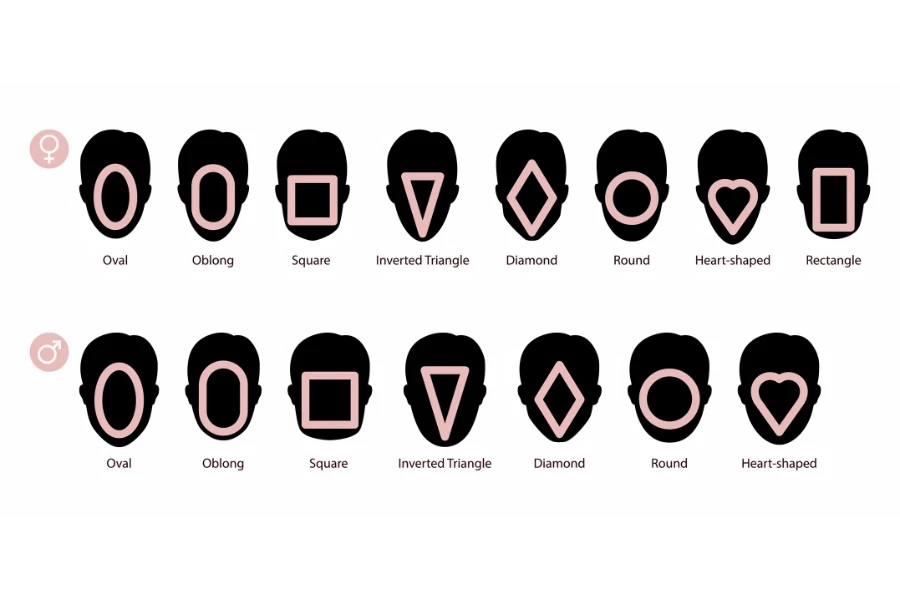
- Oval — balanced proportions, slightly narrower jaw than forehead
- Round — equal width and length, soft contours
- Square — strong jawline, wide forehead, angular structure
- Heart — wider forehead, narrow chin
- Diamond — wide cheekbones, narrow forehead and jaw
- Oblong — longer than wide, elongated vertical profile
How to Assess Face Shape in Practice
During consultation, begin with direct observation before confirming with proportion checks.
- Pull hair away from the face to expose the full outline
- Compare forehead, cheekbone, and jaw width
- Evaluate face length relative to width
Observation angle directly affects judgment accuracy. When the client is positioned at eye level, it becomes easier to detect asymmetry and subtle proportion differences.
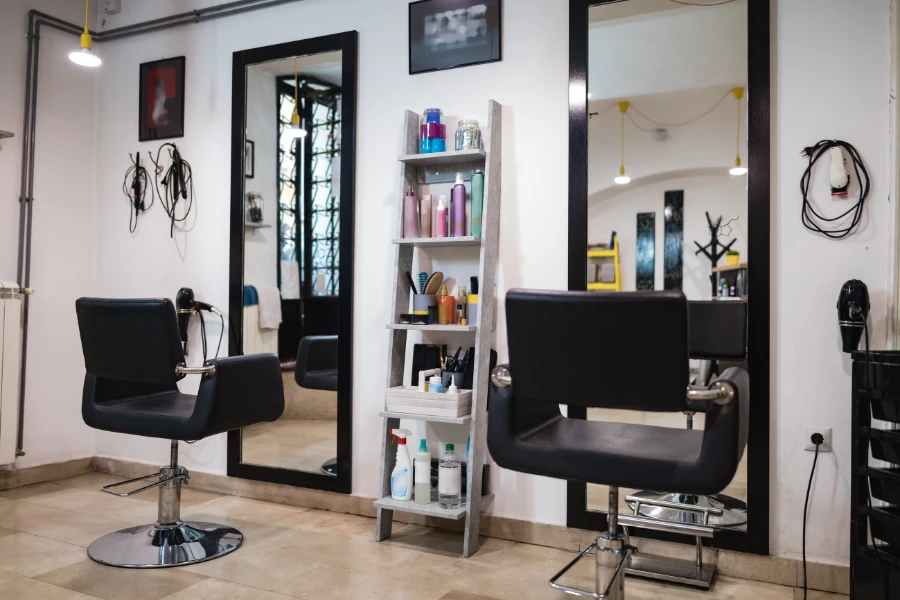
In many salons, adjustable barber chairs are used to control client height and angle during this step, helping stylists assess facial structure more precisely from both the front and side.
Step 2 — The Key Principles That Shape Every Haircut
Haircuts do not change the face itself. In practice, they change how the face is perceived by redistributing visual weight and controlling proportion.
How to Balance Facial Proportions with Haircuts
During haircut planning, identify which areas of the face dominate visually.
- Add volume where the face appears narrow
- Reduce bulk where the face appears wide
This approach helps prevent overcorrection and improves overall balance.
How to Make the Face Look Longer or Shorter
Vertical and horizontal emphasis should be adjusted based on facial proportions.
- Adding height at the crown elongates the face
- Adding width at the sides reduces perceived length
These decisions are typically made before cutting begins to ensure consistency.
How to Soften or Define Facial Features
Hair texture and structure influence how facial lines are perceived.
- Layers and waves soften strong lines
- Clean edges and structure emphasize bone definition
This determines whether the haircut should reduce or highlight facial structure.
Step 3 — How to Choose the Right Haircut for Each Face Shape
Each face shape requires a specific correction strategy. The goal is to resolve visual imbalance rather than follow a fixed style.
Oval Face — How to Maintain Balance Without Over-Elongation
The face is already balanced but can appear longer if too much height or length is added. Maintain proportion by using moderate layering and controlled movement. Avoid excessive vertical emphasis or long, flat, one-length cuts that extend the face visually.
Round Face — How to Reduce Width and Create Length
Round faces often lack angles and appear wider. Introduce vertical direction by adding height at the crown and using diagonal lines through parting or layering. Keep volume away from the cheeks to prevent additional width.
Square Face — How to Soften a Strong Jawline
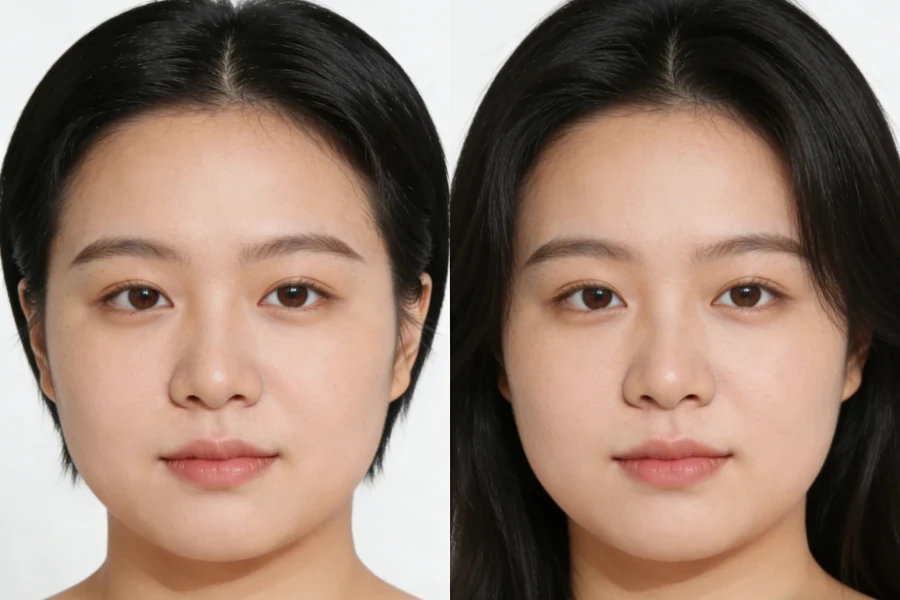
A strong jawline creates a dominant angular look. Use soft layers or waves around the jaw to reduce sharpness. Avoid blunt edges and rigid shapes that reinforce the angular structure.
Heart Face — How to Balance a Wider Forehead and Narrow Chin
Heart-shaped faces are wider at the top and narrower at the bottom. Shift volume downward with chin-length or shoulder-length structures. Avoid adding volume at the crown or using short bangs that emphasize the forehead.
Diamond Face — How to Balance Prominent Cheekbones
Diamond faces often have dominant cheekbones. Add volume at the crown or jawline to redistribute visual width. Avoid placing volume at the cheek area, which can exaggerate imbalance.
Oblong Face — How to Reduce Length and Add Width
Long faces appear narrow due to excess vertical length. Add width with waves, curls, or side volume, and use bangs to break vertical lines. Avoid long, straight styles that extend the face further.

Step 4 — What Else You Should Consider Beyond Face Shape
Face shape provides a starting point, but final decisions depend on real conditions.
Hair Texture and Density
Hair behavior after cutting affects the final result. Fine hair benefits from volume-supporting structures, while thick or curly hair requires weight control to maintain balance.
Lifestyle and Maintenance
Haircuts should match the client’s routine. Low-maintenance clients need shapes that hold naturally, while others may prefer styles that require daily styling.
Age and Hair Changes
Hair density and texture change over time. Lighter structures with controlled layering help maintain a balanced and natural appearance.
Step 5 — How Professional Tools Improve Haircut Accuracy
Accurate haircut design depends on observation and positioning.
- Adjustable chairs align the client’s face with the stylist’s eye level
- Rotation allows full-angle evaluation
- Stable positioning improves consistency when checking symmetry
In many professional setups, equipment plays a direct role in improving precision. Adjustable and rotatable barber chairs from NovaBeauty are often used to maintain consistent viewing angles, supporting better consultation and more reliable haircut outcomes.
How the Right Haircut Changes Client Appearance and First Impressions
A haircut influences how clients are perceived before they speak.
- Structured styles increase perceived professionalism
- Softer styles improve approachability
- Balanced proportions create a more refined appearance
These effects directly impact client satisfaction and retention.