
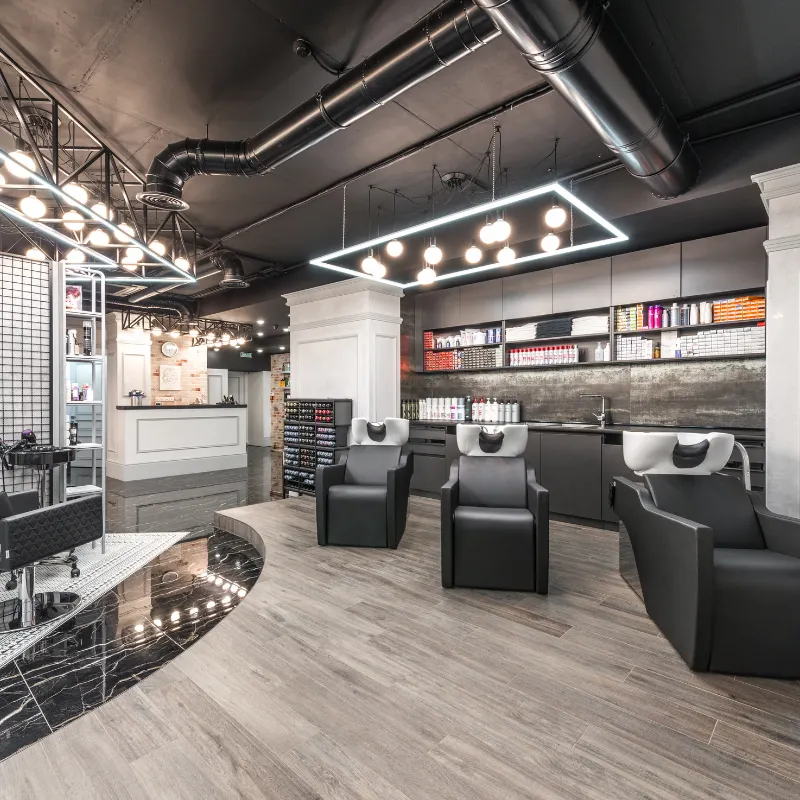
Why Your Salon Aesthetic Affects Client Experience and Business Growth
A salon’s aesthetic shapes the first impression clients form when they enter your space. It influences how professional, comfortable, and trustworthy your business feels.
However, aesthetics should not be treated as decoration alone. A successful salon design combines visual identity with efficient layout, comfortable equipment, and a logical workflow.
When these elements work together, they support brand recognition while improving daily operations for both staff and clients.
Popular Salon Aesthetic Styles and What They Communicate
Exploring common salon aesthetics helps clarify which design direction best supports your brand and clientele. Each style communicates a different type of experience to clients.
Modern Minimalist Salon Design
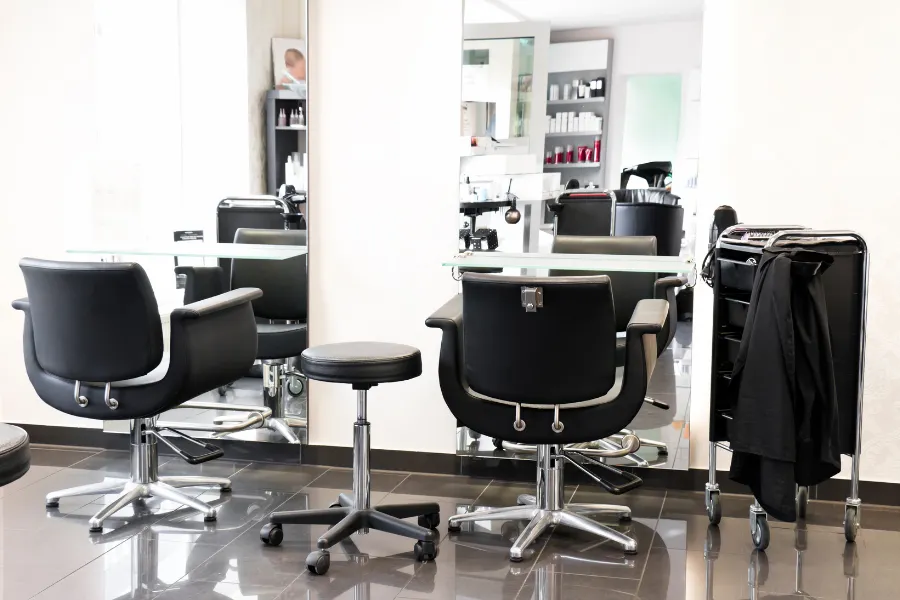
Modern salons emphasize clean lines and functional simplicity. Neutral color palettes, glass surfaces, and metal finishes are commonly used.
This aesthetic works well in urban environments where clients value efficiency, professionalism, and a contemporary atmosphere.
Boho-Inspired Salon Design
Boho-inspired salons create a relaxed and welcoming environment. Design elements often include wood textures, indoor plants, woven materials, and warm natural tones.
This style is often chosen by salons that promote natural beauty products or wellness-focused services.
Luxury Glam Salon Design
Luxury salons focus on creating a premium service environment. Materials such as marble, velvet, and polished metals are frequently used to reinforce a high-end atmosphere.
This aesthetic often supports salons that position their services at a higher price point.
Zen and Spa-Inspired Salon Design
Zen-inspired salons prioritize calm and balance. Neutral tones, natural materials such as stone and wood, and minimal decorative elements help create a tranquil space.
This design approach is commonly used by salons offering spa treatments or relaxation-focused services.
How Your Salon Aesthetic Should Reflect Your Brand
Your salon aesthetic should reinforce your brand identity. Design choices should communicate the type of services you offer and the experience clients can expect.
For example, a salon focused on organic beauty may incorporate natural materials and greenery. A brand centered on technical precision may prefer a structured and modern environment.
Consistency between design, services, and branding strengthens customer recognition and builds trust over time.
Choosing an Aesthetic That Attracts the Right Clients
Different aesthetics appeal to different types of clients. Relaxed interiors often attract clients who enjoy longer visits and personal interaction with stylists.
Modern environments with efficient layouts often appeal to professionals who value speed and reliability.
Understanding your target clientele helps guide decisions about color palettes, materials, and overall salon atmosphere.
Analyzing Local Salons Before Choosing Your Design
Observing nearby salons provides useful insight before committing to a design direction. Market research can reveal common design trends, pricing strategies, and service positioning.
The goal is not to replicate competitors but to identify opportunities to differentiate your salon. Aesthetic decisions should balance originality with practical awareness of local demand.
Turning Your Salon Aesthetic Into a Practical Layout
A strong aesthetic must always be supported by a functional layout. Even the most visually appealing salon can struggle if the space disrupts workflow.
A well-planned layout guides clients naturally through the salon, from reception to service areas and checkout. Clear pathways reduce congestion and create a calmer experience.
Industry guidelines often recommend about five feet between styling chairs. This spacing allows stylists to move comfortably while using tools, carts, and equipment.
Logical placement of shampoo stations, styling areas, and storage zones also improves operational efficiency by reducing unnecessary movement.
Selecting Salon Furniture That Matches Your Design Style
Furniture translates design ideas into functional workspaces. Materials, finishes, and shapes should support the chosen aesthetic while maintaining durability and ergonomic comfort.
For example, boho-inspired salons often incorporate wooden styling stations, while modern salons may prefer chrome finishes and minimalist structures.
Commercial salon furniture must also support heavy daily use. Adjustable styling chairs, well-designed shampoo beds, and ergonomic beauty beds help improve comfort for both staff and clients.
Many salon equipment manufacturers, including NovaBeauty, offer customizable furniture solutions that allow salon owners to align materials, finishes, and dimensions with their design concept.
Lighting, Music, and Technology That Improve the Salon Atmosphere
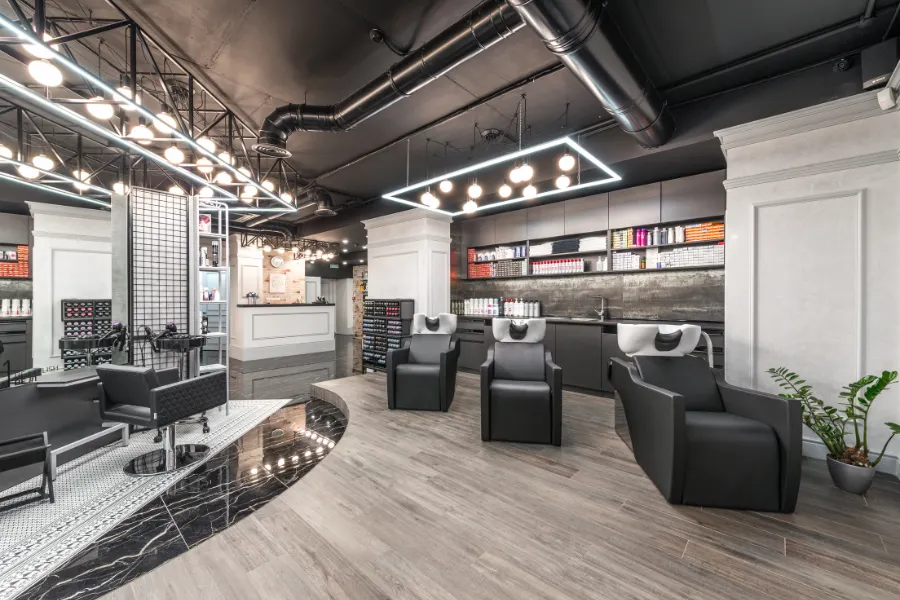
Environmental elements help reinforce the overall salon experience. Lighting is particularly important because it influences both service accuracy and client comfort.
A layered lighting approach combining ambient lighting, task lighting, and accent lighting helps maintain visibility while supporting a pleasant atmosphere.
Additional elements such as background music systems, reliable Wi-Fi, and digital service displays contribute to a more organized and professional environment.
Common Salon Design Mistakes That Hurt Workflow and Client Experience
Even visually attractive salons can face operational challenges if practical details are overlooked. Mixing too many design styles often creates visual inconsistency.
Poor lighting can affect the quality of services such as cutting or coloring. Insufficient storage space can also lead to clutter around workstations.
Planning for future growth is equally important. Flexible layouts allow salons to introduce new services without major renovations.
Creating a Salon Aesthetic That Works for Your Business
Choosing a salon aesthetic is both a design and operational decision. The right environment communicates brand identity, shapes the client experience, and supports the daily workflow of your team.
By carefully considering style, layout, and equipment selection, salon owners can create spaces that feel visually consistent while remaining practical for everyday use.
Experienced equipment suppliers can also help translate design ideas into functional spaces. Manufacturers such as NovaBeauty provide customizable salon furniture designed for professional environments, helping salons align aesthetic goals with durable and ergonomic equipment.